
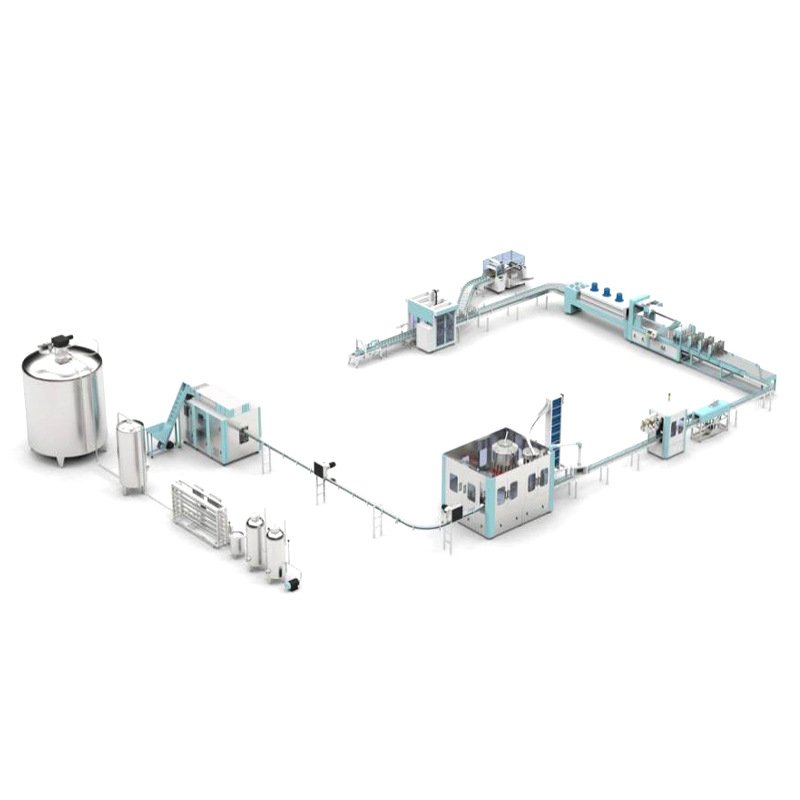
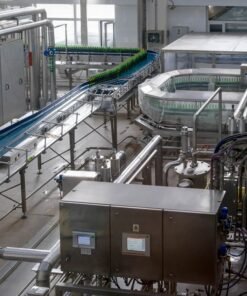
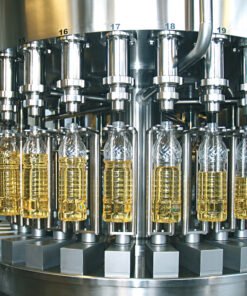
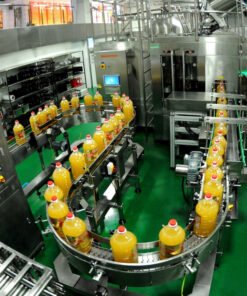
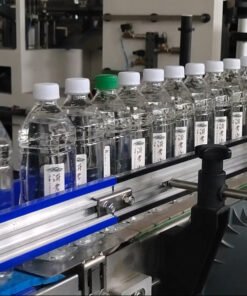
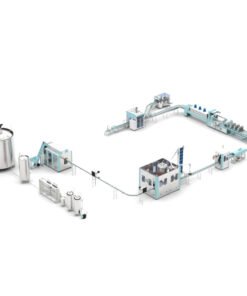
Automatic Bottled Water & Juice Filling Production Line
Import this from China to Bangladesh — sourcing, freight & customs handled, no trade license needed. Send your inquiry below and we will reply with an all-in price.
Inquiry for: Automatic Bottled Water & Juice Filling Production Line
Bottled water and juice are among the most consistently in-demand packaged products in Bangladesh, and an automatic filling production line is what turns a small bottling operation into a real manufacturing business. DE International sources these lines directly from Chinese manufacturers, verifies the factory, and manages freight and customs so the line arrives ready to install.
Overview
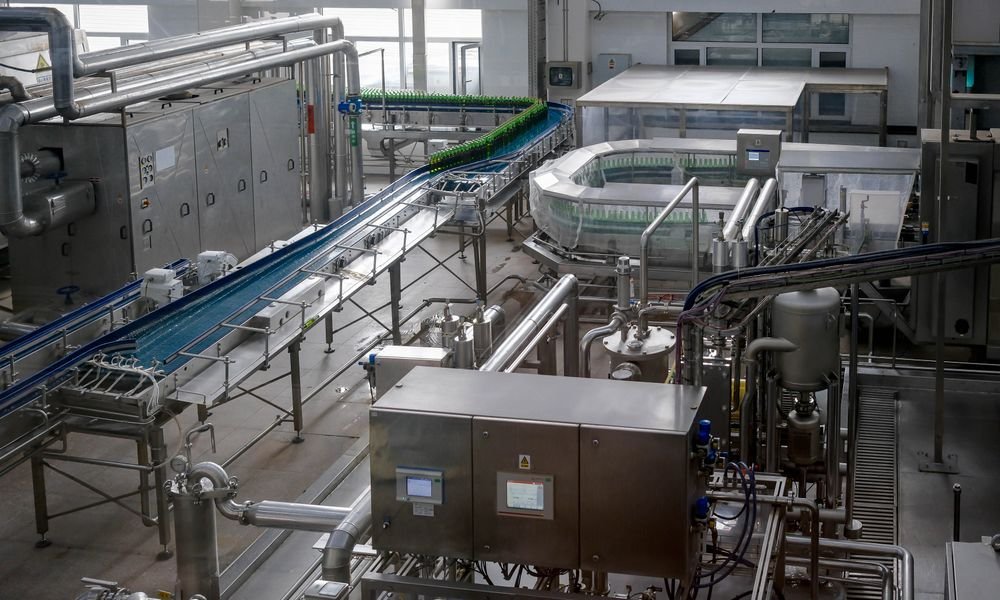
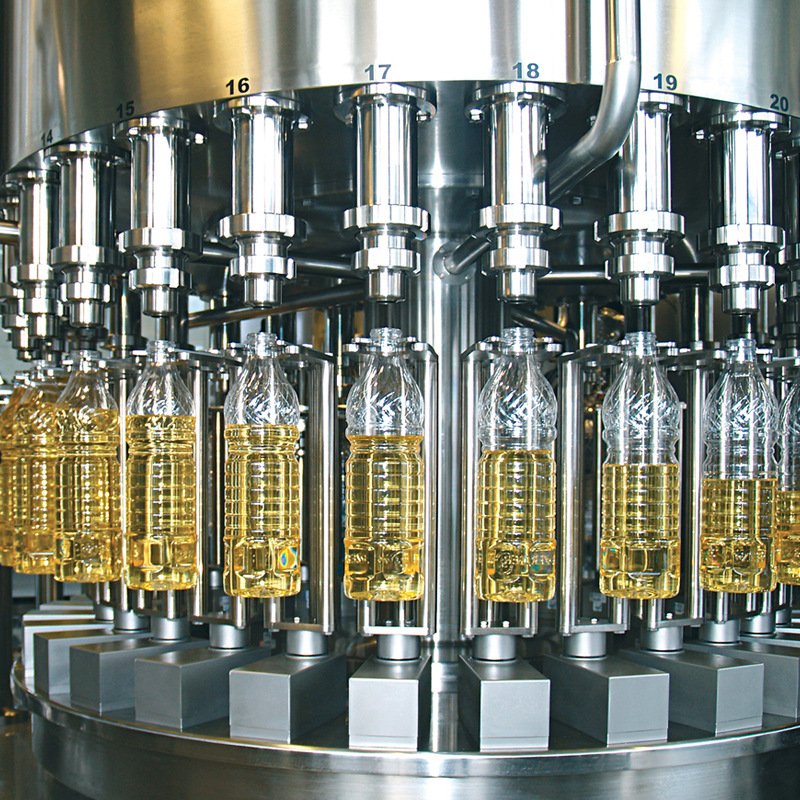
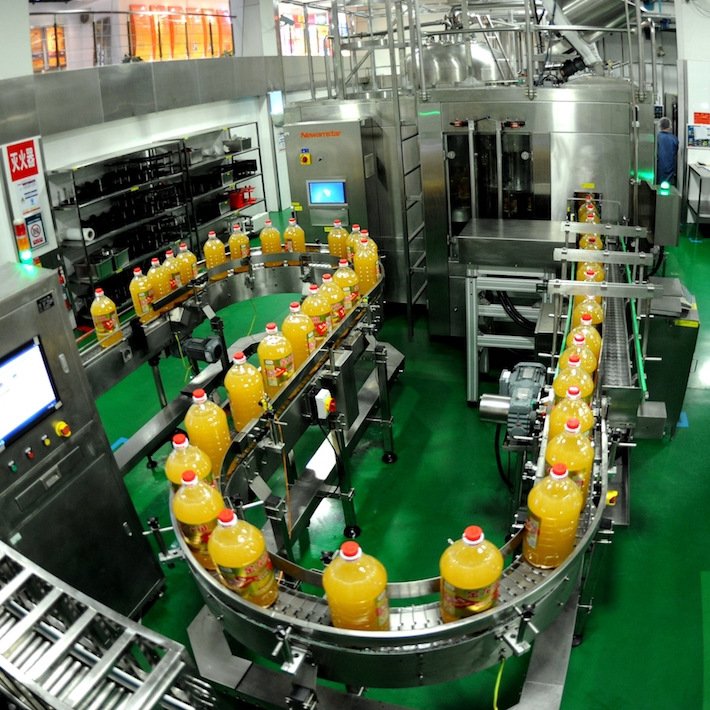
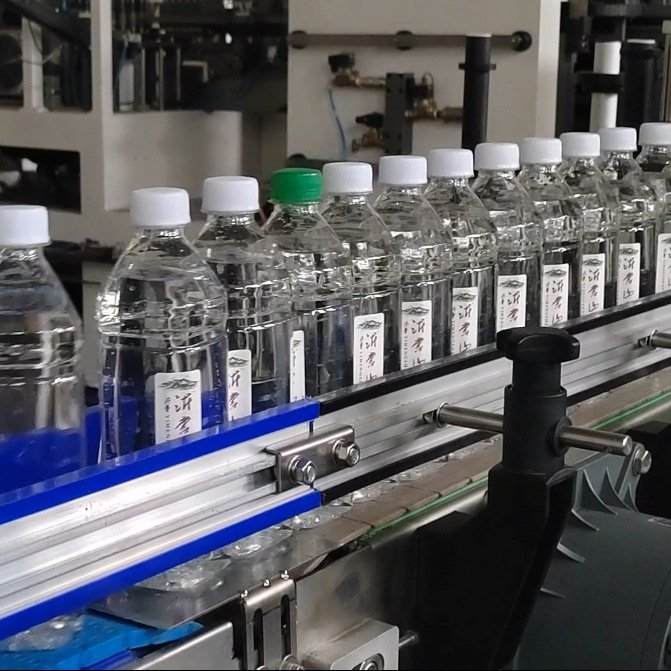
An automatic bottled water and juice filling production line combines rinsing, filling and capping into one continuous process — bottles enter empty, move through a rinser to clear dust and particles, are filled to a set volume, capped, and exit ready for labeling. This automation is what separates a line that can realistically supply supermarkets and distributors from a manual, bottle-by-bottle operation that can’t scale past a small local market.
Applications
- Packaged drinking water (still or carbonated)
- Fruit juice and juice drinks
- Flavored and functional beverages
- Edible oil bottling on some configurations (with filling-head adjustment for viscosity)
- Private-label and contract bottling for other brands
Industries That Use This Line
- Packaged water producers — one of the largest, most consistent B2B demand categories in Bangladesh
- Juice and beverage manufacturers — local and regional drink brands
- Hospitality and catering suppliers — hotels and restaurant groups bottling their own water
- Contract/private-label bottlers — producing for smaller brands that don’t own equipment
What to Confirm Before You Order
Filling line specification depends entirely on your bottle size, target output, and product type. Rather than quote generic numbers that may not match your actual production plan, we confirm the specification against your requirement before sourcing. Have these ready when you request a quote:
| Specification | Why it matters |
|---|---|
| Bottle size & shape range | Determines the filling heads, conveyor guides and cap-fitting needed |
| Target output (bottles/hour) | Sets the number of filling heads and line speed required |
| Product type | Still water, carbonated, or juice with pulp all need different filling-valve designs |
| Cap type | Screw cap, sports cap, or tamper-evident seal changes the capping module |
| Factory space & utilities | Line length, power supply and water/compressed-air requirements must fit your facility |

Features & Benefits
- Three-in-one automation — rinsing, filling and capping in a single continuous line reduces labor and contamination risk
- Consistent fill volume — automated filling heads reduce product giveaway compared to manual filling
- Scalable output — available in different head-counts to match your target bottles-per-hour
- Faster path to retail-ready product — consistent, professional filling and capping supports supermarket and distributor listing requirements
Buying Considerations for Bangladeshi Producers
- Size the line to your realistic 12-month output, not your best-case forecast — an oversized line adds cost and maintenance complexity without matching demand.
- Confirm food-grade material certification for all product-contact parts (stainless steel grade, sealing materials) — this matters for both product safety and buyer trust.
- Ask about changeover time if you plan to run multiple bottle sizes or products on the same line.
- Verify the manufacturer directly rather than buying through an unverified reseller — a line this complex needs a traceable source for spare parts and support.
- Inspect and test-run before shipment. A functional test with actual bottles, not just a visual check, is essential before you release the balance payment.
Verification and inspection are exactly what our factory verification and quality inspection services cover — particularly important for a production line where downtime after installation is expensive.
How DE International Sources This Line
We work with manufacturers in China to match the line specification to your bottle size and output target, verify the factory in person, and arrange a functional test-run before shipment. Freight, customs and delivery are handled through our full import support service, including a door-to-door option with no trade license required if you’re not yet registered to import commercially.
Related Machinery
- Browse all food processing machinery
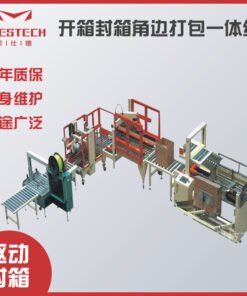
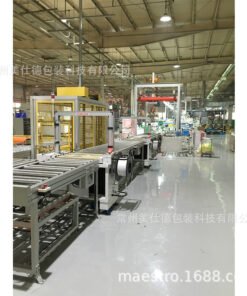
- Packaging machines — for labeling and secondary packaging after filling
Related Services
Related Reading
- How to Find a Reliable Supplier in China
- AQL Explained: How Many Defects Are Acceptable?
- Trade License vs No-License Import: Cost Comparison
Frequently Asked Questions
What output can this line achieve?
Output depends on the number of filling heads and bottle size — from a few thousand bottles per hour on a compact line to significantly more on larger configurations. Tell us your target output and we’ll match the specification.
Can the same line handle both water and juice?
Many lines can, with adjustments to the filling valve for viscosity and, for juice with pulp, a different nozzle design. Confirm your product range with us so we specify the right filling heads.
Is the line food-grade certified?
We confirm food-grade material certification for all product-contact parts as part of sourcing — ask us for the specific certification your target market requires.
Do you inspect the line before it ships?
Yes. Our quality inspection service includes a functional test run before shipment, so you know the line works before your balance payment is released.
Can I import this without a trade license?
Yes — through our door-to-door import service we can clear the shipment under our own documents and deliver to your facility.
| specification |
|---|
Be the first to review “Automatic Bottled Water & Juice Filling Production Line”
Related products
Food Processing Machineries
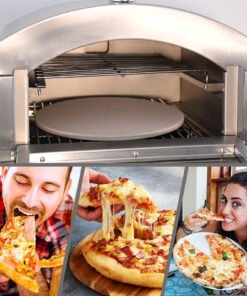
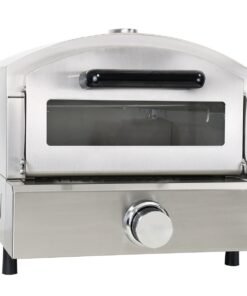
Stainless Steel Pizza Oven with Slate – Gas Double Wall Portable Outdoor & Home Use
Food Processing Machineries
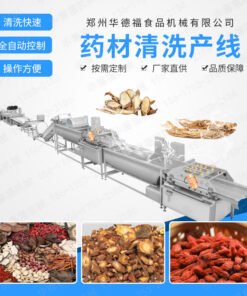
Herbal Material Bubble Washing Machine – Ginseng, Wolfberry & Red Date Line
Food Processing Machineries
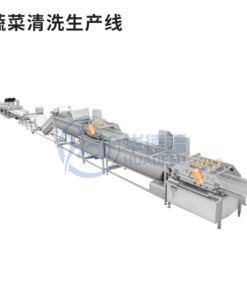
Commercial Vegetable & Fruit Bubble Washing Line for Central Kitchens
Food Processing Machineries
Automatic Soup Filling Machine | Dual-Purpose Self-Standing Spout Pouch Liquid Filling Machine
Industrial Machine
Food Processing Machineries
Automatic Multifunctional Vegetable Basin Cutter – Stainless Steel High-Efficiency Commercial Cutter
Food Processing Machineries
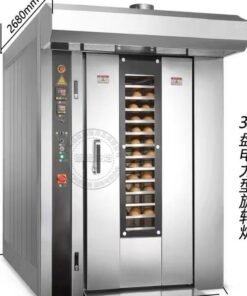
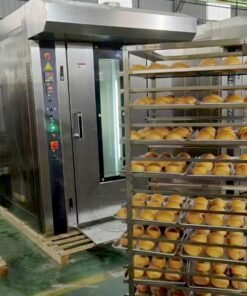
Commercial Hot Air Rotary Oven – 32 & 64 Plate Electric/Diesel Bread & Mooncake Baking
Food Processing Machineries
Reviews
There are no reviews yet.