
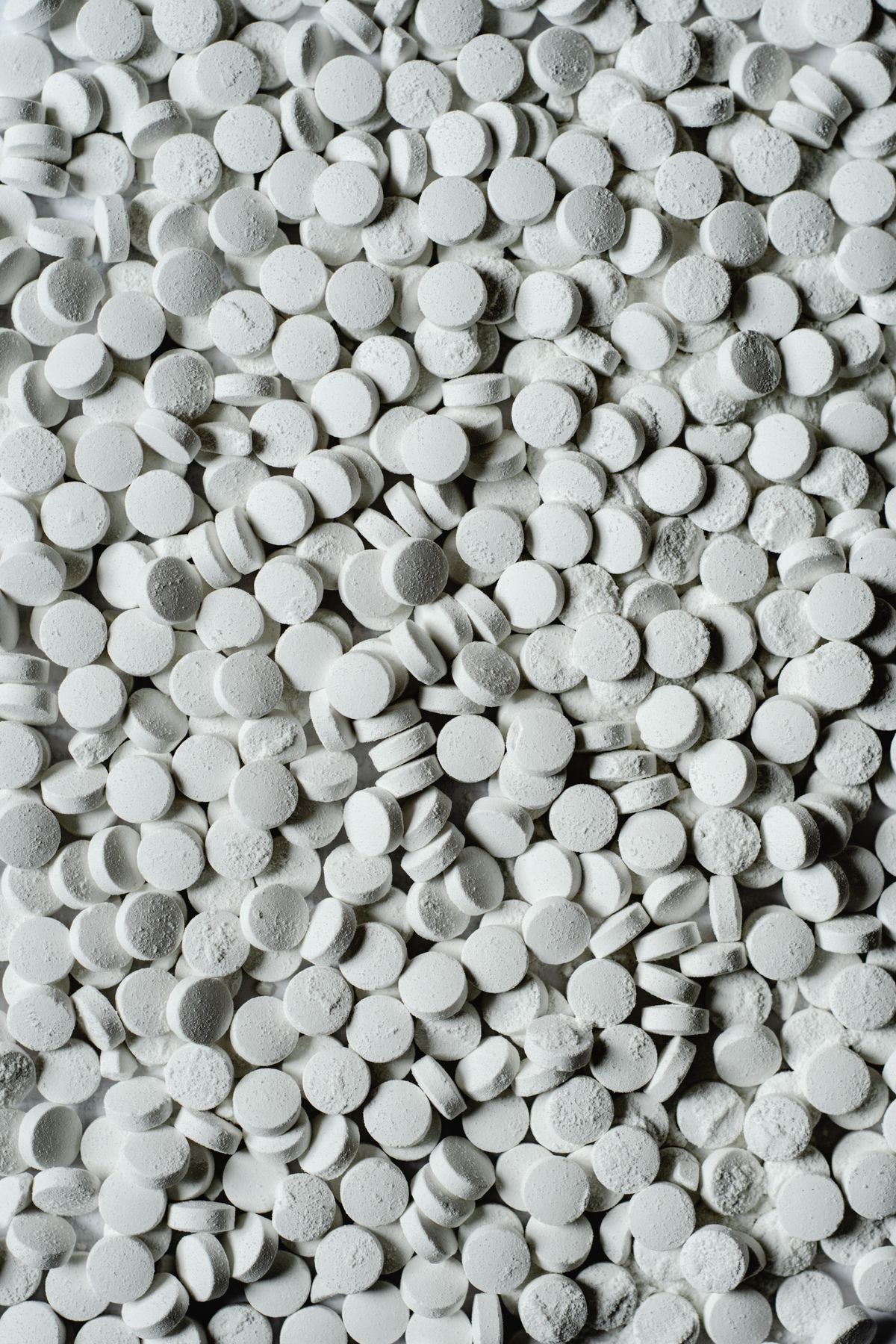
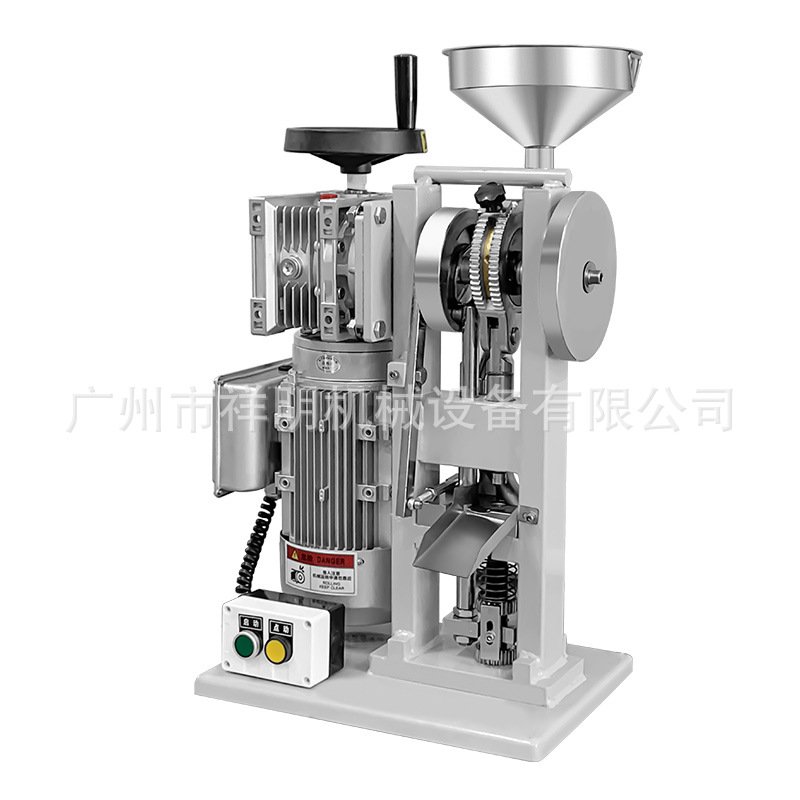
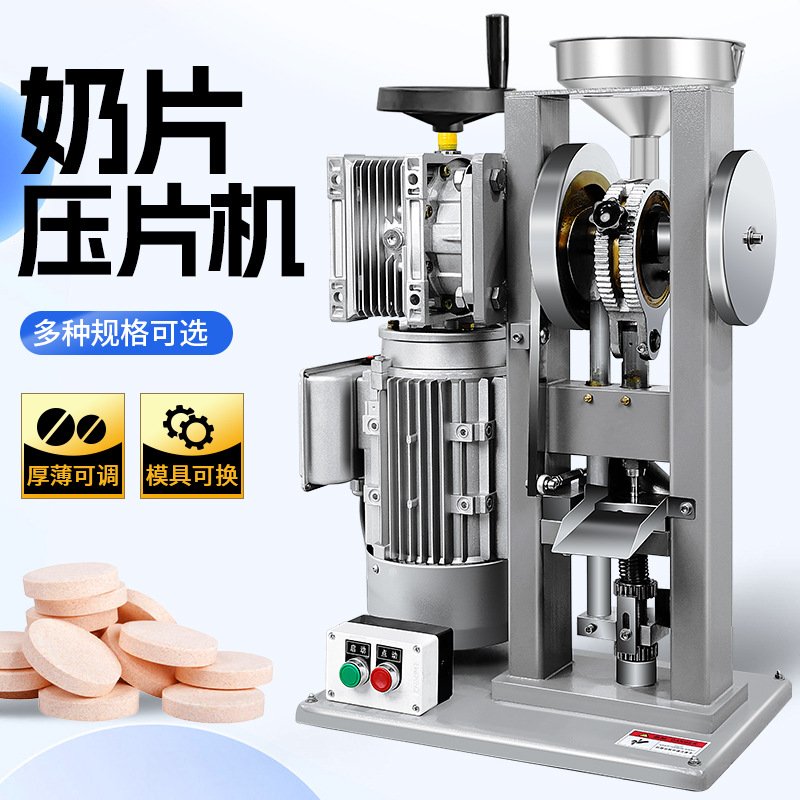
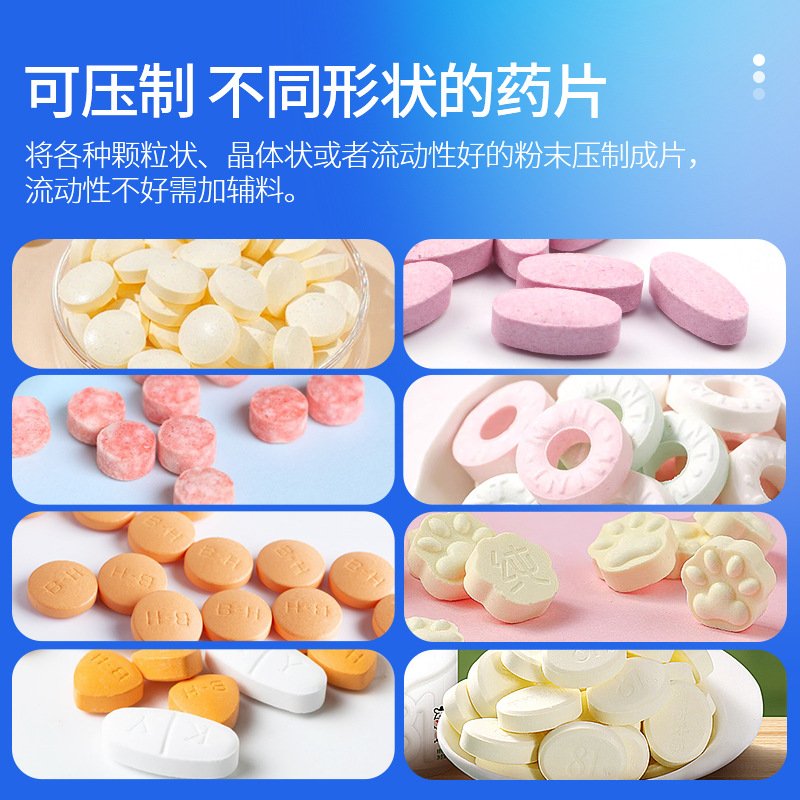
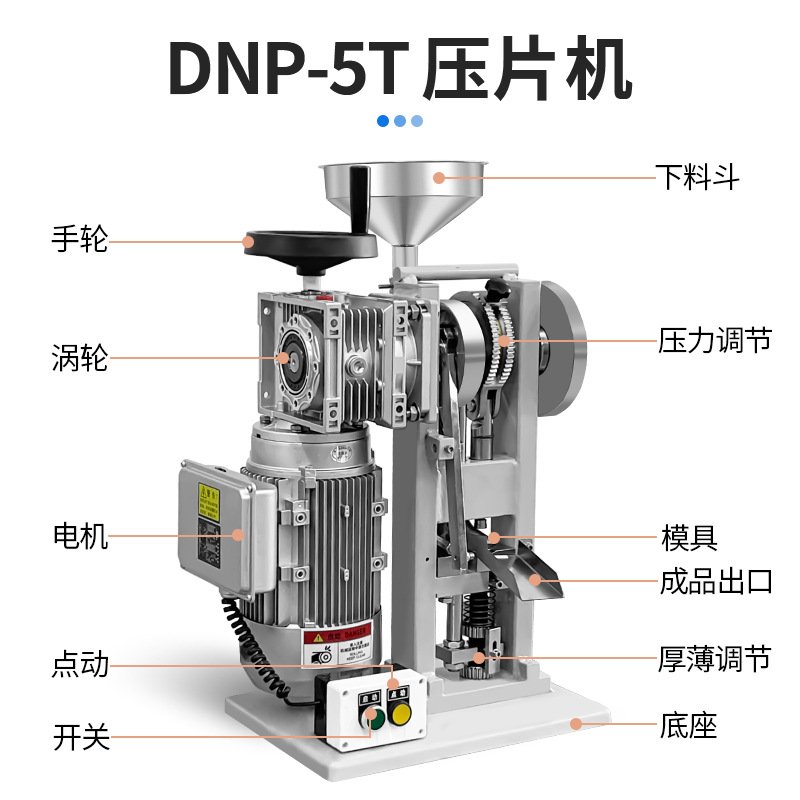

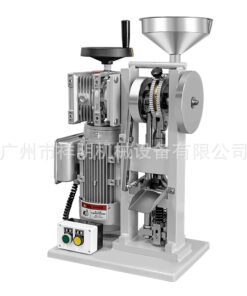
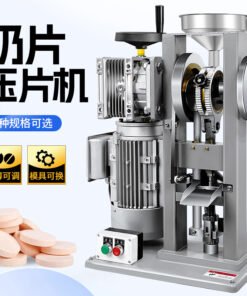
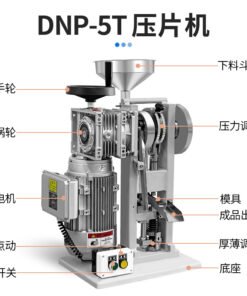
DNP-5T Milk Powder & TCM Powder Single Punch Tablet Press Machine


Import this from China to Bangladesh — sourcing, freight & customs handled, no trade license needed. Send your inquiry below and we will reply with an all-in price.
Inquiry for: DNP-5T Milk Powder & TCM Powder Single Punch Tablet Press Machine
The DNP-5T is a compact, entry-level single punch tablet press — a genuinely different class of machine from the large industrial pharmaceutical presses that run $20,000-200,000+. It’s built for small-batch production of milk tablets, candy tablets, and powder-based nutritional tablets, not full-scale GMP pharmaceutical manufacturing. Knowing which category you actually need — and what regulatory path applies to what you’re producing — matters more than the machine spec sheet. This guide covers both.
What This Machine Is
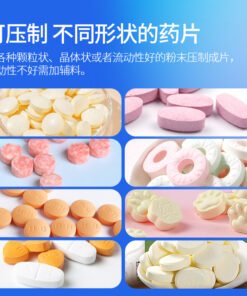
A single punch tablet press compresses powder or granular material into a tablet shape using a single punch-and-die set, one tablet per press cycle. The DNP-5T is a compact, electric-powered model built for small-scale production — milk powder tablets, candy tablets, and powder-based nutritional or herbal supplement tablets. It’s not a multi-station rotary press built for continuous high-volume pharmaceutical manufacturing; it’s the right tool for small-batch, lower-volume production where a large industrial press would be unnecessary capital.
Important: What You’re Actually Producing Determines the Regulatory Path
Before ordering, be clear on what you intend to produce and sell, because the regulatory requirements differ significantly:
- Milk tablets, candy tablets, or general food-category tablets — typically fall under Bangladesh food safety regulation (BSTI/BFSA), similar to other packaged food products.
- Tablets marketed or sold as medicine or a therapeutic product — falls under the Directorate General of Drug Administration (DGDA), which requires drug manufacturing licensing, a compliant facility, and product registration. This is a substantial regulatory undertaking, not a formality.
- Herbal/TCM powder tablets marketed as supplements — the regulatory category depends on how the product is marketed and labeled; this is worth confirming directly with the relevant Bangladesh authority before commercial production, not assumed.
We can share what we know about these categories at the time of your inquiry, but you should confirm your specific regulatory path with DGDA, BSTI, or BFSA directly before committing to commercial production — this affects your business plan more than the machine choice itself.
How to Choose the Right Machine
Start with your actual production volume and product type, not the biggest press available. If you’re testing a product, running a small operation, or producing milk/candy tablets at modest volume, the DNP-5T class is appropriately sized. If you’re planning full pharmaceutical-scale production, you need a different category of equipment entirely — and the regulatory requirements above apply regardless of which machine you buy. Other variables to confirm:
- Tablet size and shape — determines punch and die specification
- Output rate needed — confirms whether single-punch is sufficient, or a rotary multi-station press is actually required
- Material characteristics — milk powder, candy mix, and herbal powders compress differently; confirm the machine is configured for your actual material
Single Punch vs. Rotary Tablet Press
| Single Punch (DNP-5T, this machine) | Rotary Multi-Station Press | |
|---|---|---|
| Output | Lower, one tablet per cycle | Much higher, continuous multi-station output |
| Cost | Significantly lower | Substantially higher, often $20,000+ |
| Best fit | Small-batch, testing, lower-volume production | Full-scale commercial/pharmaceutical manufacturing |
Who Should Buy This Machine
- Small food producers making milk tablets or candy tablets at modest volume
- Herbal/nutraceutical product developers testing or producing supplement tablets, with regulatory path confirmed
- Small-batch manufacturers who don’t yet need (or can’t yet justify) full industrial rotary press capacity
Common Mistakes Buyers Make
- Not confirming the regulatory path before buying. Sourcing the machine is the easy part — confirming whether your product needs DGDA drug licensing, BSTI/BFSA food registration, or neither is the part that determines whether you can legally sell what you produce.
- Assuming this machine can scale to full pharmaceutical production. A single punch press has a real output ceiling — plan for a rotary press if your actual target is large-scale manufacturing.
- Not testing with your actual material before committing. Different powders compress differently; a generic spec sheet doesn’t guarantee your specific formulation presses well.
- Overlooking punch and die replacement costs as an ongoing cost of changing tablet size or shape.
- Skipping factory verification because the machine is lower-cost than large industrial equipment — verification standards shouldn’t drop just because the price does.
Factory Verification Advice
DE International verifies the manufacturer’s business license and production capability before any order is placed, at the same standard regardless of machine size. For tablet presses specifically, confirm the factory can supply punches and dies matched to your tablet specification, and ask whether they have experience with your specific material type (milk powder vs. herbal powder vs. candy mix behave differently under compression).
Quality Inspection Recommendations
Before the machine ships, we recommend confirming tablet uniformity (size, weight, shape consistency) on a test run with material similar to your actual product, along with basic electrical and mechanical function testing. If your product is food or supplement-grade, also confirm the contact parts are made of food-safe materials suited to your specific product.
Main Features
- Single punch design — precise tablet pressing for small-batch production
- Electric operation — consistent, repeatable performance
- Compact footprint — suited to small factory or lab-scale space
- Multi-material capability — milk powder, herbal powders, candy mixes, and similar materials

Benefits & Advantages Over Manual Tablet Forming
| Manual/Hand Forming | Single Punch Tablet Press | |
|---|---|---|
| Tablet uniformity | Inconsistent size and weight | Consistent, repeatable dimensions |
| Speed | Slow, labor-intensive | Faster, single-operator operation |
| Product presentation | Variable quality, less professional | Clean, uniform, market-ready appearance |
Shipping Considerations
This is a compact machine relative to large industrial equipment, shipped by air or sea freight depending on your timeline, crated for protection of the punch/die mechanism and control components. DE International handles freight booking, customs clearance, and door-to-door delivery as one coordinated process.
Bangladesh Import Considerations
Standard import documentation (HS code classification, commercial invoice, packing list) applies. If your intended product falls under DGDA or BSTI/BFSA regulation, resolve that regulatory path before or alongside your import, since it affects your business setup independent of the machine import itself. Confirm your import registration certificate (IRC) status and payment structure with us early in the process.
Installation & After-Sales
Setup involves power connection, punch/die installation for your specific tablet spec, and initial calibration. We recommend confirming spare-parts availability (punches, dies) and basic operator guidance as part of your order before the machine ships.
Frequently Asked Questions
Do I need a drug manufacturing license to use this machine?
It depends entirely on what you’re producing and how you market it. Milk or candy tablets typically fall under food regulation (BSTI/BFSA); anything marketed or sold as medicine falls under DGDA drug licensing, which is a substantial regulatory undertaking. Confirm your specific product category with the relevant Bangladesh authority before commercial production.
Can this machine handle TCM (traditional Chinese medicine) powders?
Mechanically, yes — it’s built to compress various powder materials into tablets. Whether you can legally market the output as medicine in Bangladesh depends on DGDA regulation, and whether you can market it as an herbal supplement depends on how it’s classified and labeled. This is a regulatory question independent of the machine itself.
What’s the difference between this and a full pharmaceutical rotary press?
This is a single punch machine built for small-batch, lower-volume production at a fraction of the cost of a rotary multi-station press, which is built for continuous high-volume commercial or pharmaceutical manufacturing. Tell us your target output volume and we’ll recommend the right category.
Can I get the machine inspected before it ships?
Yes — we recommend confirming tablet uniformity on a test run with material similar to your actual product, plus standard electrical and mechanical testing, before the machine leaves China.
How is the machine shipped to Bangladesh?
By air or sea freight depending on your timeline, crated for protection. DE International manages freight, customs clearance, and door-to-door delivery.
Related Machinery & Services
- China Sourcing Agent Service — factory verification and supplier vetting
- China Import Support Service — freight, customs, and door-to-door delivery
- Browse all food processing machinery
Tell us your product type, target tablet size, and production volume — we’ll help confirm the right configuration and provide a factory-verified quote.
Be the first to review “DNP-5T Milk Powder & TCM Powder Single Punch Tablet Press Machine”
Related products
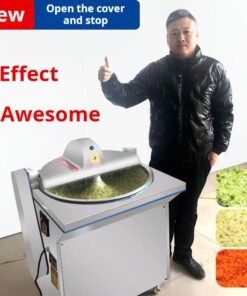
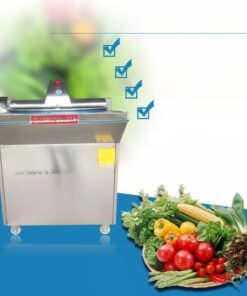
Food Processing Machineries
Automatic Multifunctional Vegetable Basin Cutter – Stainless Steel High-Efficiency Commercial Cutter
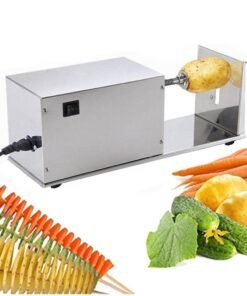
Food Processing Machineries
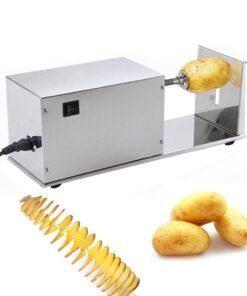
Electric Stainless Steel Potato Tower Slicer Machine – Commercial Cyclone Potato Chip Cutter
Industrial Machine
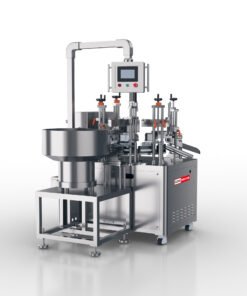
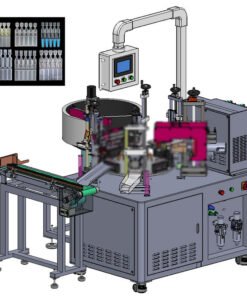
Automatic 5-Head Hose Filling & Ultrasonic Tail-Sealing Machine
Industrial Machine
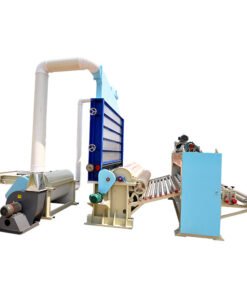
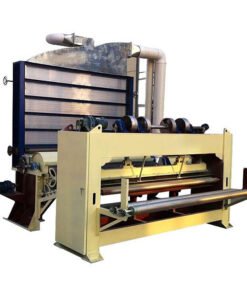
High-Density Needle Punching Machine for Quilt Thread & Non-Woven Felt
Food Processing Machineries
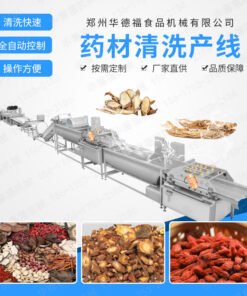
Herbal Material Bubble Washing Machine – Ginseng, Wolfberry & Red Date Line

Industrial Machine
Food Processing Machineries
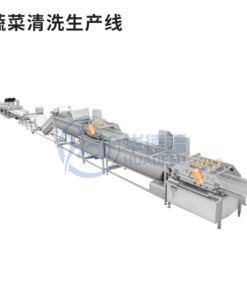
Commercial Vegetable & Fruit Bubble Washing Line for Central Kitchens
Food Processing Machineries
Single-Head Pneumatic Liquid Filling Machine for Disinfectant, Juice & Shampoo
Reviews
There are no reviews yet.