
Food Ingredients, Import & Export Guides
How to Test a Food Ingredient Sample from China Before Ordering: A Guide for Bangladeshi Factories
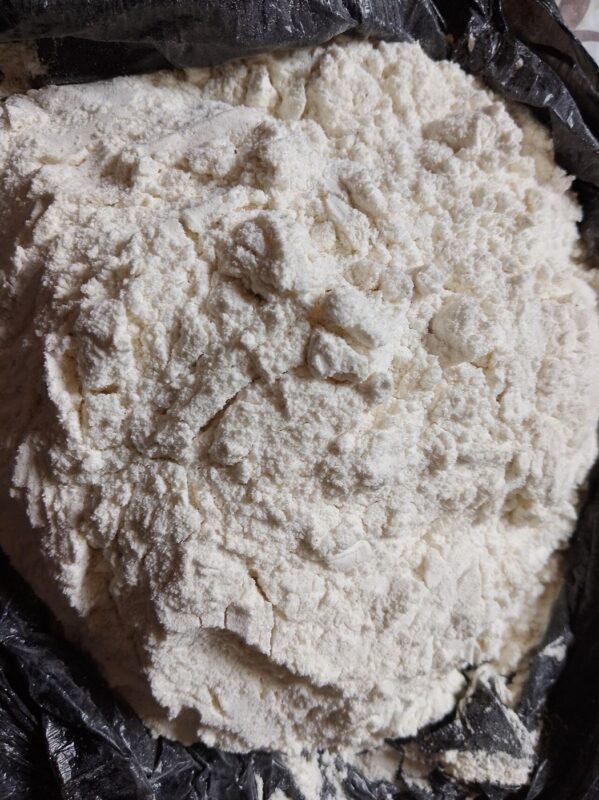
Oct
To test a food ingredient sample from China, check the documents first (specification sheet, COA and batch number), then inspect the sample physically, run a bench trial in your own product at the manufacturer’s reference usage level, compare it side by side with your current ingredient, and send key parameters to a laboratory before approving bulk. Keep a sealed retained sample so the bulk delivery can be checked against it. DE International delivers samples and small quantities door-to-door to Bangladeshi factories, and our sister company Shenzhen Phoenix Rising Technology handles LC orders and factory checks in China.
Why sample testing decides most ingredient problems
Most quality disputes between Bangladeshi food factories and overseas suppliers start the same way: the factory approved a sample by looking at it and smelling it, then the bulk shipment behaved differently in production. Flavour strength was lower, colour was a different shade, powder caked in the monsoon, or the product failed a test the factory had never done on the sample. Once the goods have cleared customs at Chattogram or Dhaka airport, it is far harder to resolve. A structured sample test, done before payment for bulk, turns a vague approval into a clear reference that both sides can check.
Step 1: check the documents that come with the sample
- Specification sheet (TDS or spec): the parameters and limits the supplier promises, such as appearance, moisture, pH, colour value, protein, salt or heavy metals.
- Certificate of analysis (COA): the actual test results for the batch the sample came from, with a batch number and date.
- Certificates: FSSC 22000, ISO 22000, HACCP or ISO 9001 for the factory; Halal or Kosher for the product if your market needs it. See our guide to checking Halal certificates for imported ingredients.
- Allergen and GMO statements if your buyers ask for them.
Check that the batch number on the COA matches the label on the sample. A COA with no batch link is only a brochure. Our article on food additive documents and COA explains what each field means.
What to ask for when requesting a sample
A good test starts with a good request. When you ask a supplier for a sample, state your application (for example chanachur seasoning, soft drink or biscuit), the quantity you will use per month, and the specification you need. Ask for enough sample to run at least two or three bench trials plus a portion to keep as a retained sample — a few grams is rarely enough. Ask that the sample comes from a current production batch, not a special laboratory batch, and that the COA for that batch is sent with it. If you are comparing several suppliers, ask all of them for the same information so the results are comparable. Finally, ask how the bulk product will be packed: bag type, inner liner and net weight. Packing affects how the ingredient survives transport and humid storage, and it should match what you tested.
Step 2: physical inspection
Before using the sample, look at it carefully against the specification:
- Colour and appearance in daylight, compared with your current ingredient on white paper.
- Odour when the pack is opened and after a few minutes in the air.
- Flow and lumps: free-flowing powder should not have hard lumps, which suggest moisture pick-up.
- Solubility: dissolve a measured amount in water at the temperature you use in production and note clarity, sediment or foam.
- Particle size or texture, if it matters for your process.
Step 3: bench trial in your own product
An ingredient is only good if it works in your recipe. Run a small batch of your actual product using the new ingredient at the supplier’s reference usage level, and at one level above and below. Manufacturer reference levels for some common ingredients are:
| Ingredient | Application | Reference usage level |
|---|---|---|
| HVP (hydrolyzed vegetable protein) | Snacks such as chanachur and chips | 0.30–0.60% |
| HVP | Seasoning blends | 10–15% |
| HVP | Soup bases | 10–20% |
| Caramel colour | Noodles and seasoning | 0.50–5% |
| Caramel colour | Bakery | 0.20–5% |
| Caramel colour | Soft drinks | 0.05–0.20% |
| Ethyl maltol | Biscuits and sweet products | 0.01–0.05% |
| Disodium succinate | Puffed snacks | 0.40–1.00% |
These are starting points from manufacturers, not legal limits; the right level depends on your recipe and the regulations for your product. Our detailed guides cover HVP in chanachur, chips and noodles and ethyl maltol in biscuits.
Step 4: compare side by side, blind
Taste panels in small factories are often one person — the owner — tasting the new product and saying it is fine. A simple improvement is a triangle test: give three or more staff three coded samples, two made with the current ingredient and one with the new one, and ask them to pick the odd one out. If most people cannot tell, the new ingredient is a safe replacement. If they can, ask them what is different. Do this with your finished product, not the raw ingredient.
Step 5: laboratory check and stability
Send the sample, or your finished product, to a laboratory for the parameters that matter most: moisture, microbiology, heavy metals or a specific active value. In Bangladesh, BCSIR laboratories and accredited private labs offer food testing; choose a lab accredited for the tests you need. Compare the results with the COA. Small differences are normal; large differences are a reason to ask questions before ordering bulk.
Also test stability. Store the ingredient in an opened and resealed bag in your actual store room for a few weeks during humid weather, and keep finished product samples for their intended shelf life. Many powders that are fine in China cake in a Bangladeshi godown in monsoon.
Step 6: approve, seal and keep a retained sample
When you approve, write down the batch number, the test results and the trial notes, and keep part of the sample sealed and labelled as the reference. Tell the supplier in writing that bulk must match the approved sample and specification. When bulk arrives, test it against the retained sample using the same quick checks. If you buy through LC, the specification and inspection requirements can be written into the contract; our guide to LC or small-quantity ingredient imports explains the options.
Common mistakes when testing ingredient samples
- Testing only the raw ingredient. Many problems appear only in the cooked or fried product.
- No retained sample. Without it, a dispute about bulk quality becomes your word against theirs.
- Approving a sample from a different batch than the COA.
- Skipping the humidity test. Caking and flavour loss are among the most common complaints in Bangladesh.
Our partner factories are FSSC 22000, ISO 22000 or HACCP certified (some ISO 9001), with Halal (including MUI) and Kosher products, and we send samples with a COA before you order. See the ranges for HVP, flavour enhancers and soy sauce powder.
FAQ
How do I check if a food ingredient sample from China is good?
Check the COA and batch number, inspect the sample, run a trial in your own product at the reference usage level, compare it blind with your current ingredient and send key parameters to a lab.
What is a COA for food ingredients?
A certificate of analysis shows the actual test results for a specific batch, such as moisture, purity and microbiology, compared with the specification.
Where can I test food ingredients in Bangladesh?
BCSIR laboratories and accredited private food testing labs offer analysis. Choose one accredited for the tests you need.
Who sends food ingredient samples from China to Bangladeshi factories?
DE International delivers samples and small quantities door-to-door, and Shenzhen Phoenix Rising Technology handles LC orders and factory checks. WhatsApp +880 1750-859967.
Get a quote from DE International
DE International sources machinery and products from Chinese factories, checks them before shipping and delivers door-to-door to Dhaka, Chattogram and anywhere in Bangladesh. Tell us which ingredient you want to trial and we will send samples with COA. See our services, our China sourcing agent service and the shop, or contact us — WhatsApp +880 1750-859967. For shipping cost questions, our cargo team at decl.bd can quote air or sea freight.
