
Food Ingredients, Import & Export Guides
Combining Several Food Ingredients in One Shipment from China to Bangladesh
Oct
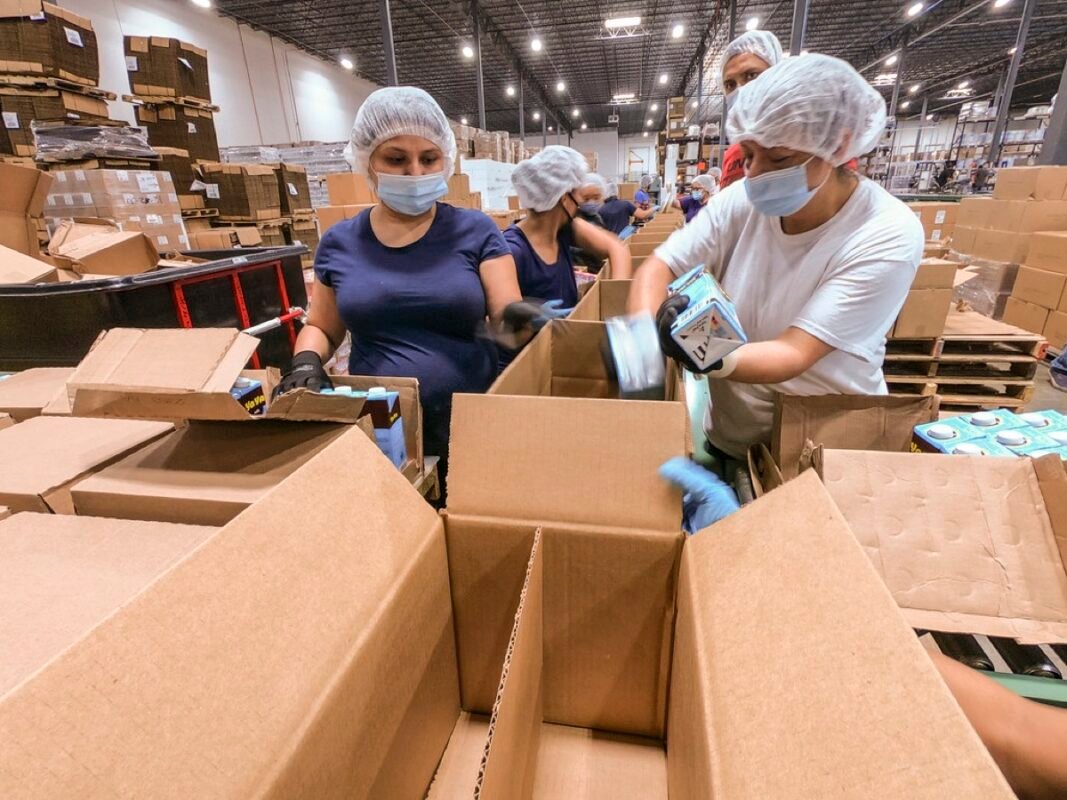
Yes, a Bangladeshi food factory can combine several food ingredients from different Chinese suppliers into one shipment. Each supplier delivers to a consolidation warehouse in Guangzhou or Shenzhen, the goods are checked against the order and their COA, packed together, and shipped by air or sea to Dhaka or Chattogram with one set of shipping documents. DE International handles small-quantity consolidated shipments door-to-door, while its sister company Shenzhen Phoenix Rising Technology handles LC orders and factory checks for larger ingredient purchases.
A snack or noodle factory typically buys HVP, soy sauce powder, flavour enhancers, flavours and colours, each in quantities too small to justify a separate shipment. Consolidation cuts the per-kilogram freight and the number of customs clearances. But mixing ingredients in one shipment also creates risks that do not exist when you ship one product at a time. This guide explains how to do it properly.
How a consolidated ingredient shipment works, step by step
- 1. Confirm each ingredient separately. Approve the specification and test a sample of every ingredient first. Our guide on testing an ingredient sample explains how.
- 2. Place orders with each supplier. Ask every supplier to label cartons with product name, batch number, manufacturing and expiry dates and net weight.
- 3. Deliver to one warehouse. Each supplier sends goods to the consolidation warehouse by a set date.
- 4. Receive and check. The warehouse counts cartons, checks labels and damage, and matches each batch to its COA.
- 5. Plan the packing. Liquids, powders and strong-smelling items are separated or protected (see below).
- 6. Prepare documents. One commercial invoice and packing list with a separate line for each ingredient.
- 7. Ship and clear. The shipment travels by air or sea, and a C&F agent clears it in Bangladesh.
- 8. Deliver to the factory. Goods are delivered door-to-door to your factory or warehouse.
Why one problem line can hold the whole shipment
This is the most important thing to understand about consolidation. Customs assesses every line on the invoice, and if one ingredient is classified wrongly, needs a document that is missing, or is selected for testing, the whole shipment usually stays at the port or airport until that line is resolved. Your HVP may be ready, but it cannot leave while the food colour waits for a test result. That is why each ingredient in a consolidated shipment must be prepared as carefully as if it were shipped alone: correct description and HS code, matching COA, and any certificates the product needs.
Our guide to importing food additives from China to Bangladesh lists the documents commonly needed, including COA, health certificate and what to check with BFSA and BSTI. Rules change, so confirm current requirements with your C&F agent before shipping.
Packing different ingredients together safely
| Ingredient type | Main risk in a mixed shipment | How to protect it |
|---|---|---|
| Hygroscopic powders (HVP, soy sauce powder, flavour enhancers) | Absorb moisture and cake | Sealed inner liners, intact bags, desiccants in the container for sea freight |
| Liquid caramel colour and liquid flavours | Leaks that contaminate other cartons | Sealed drums or jerrycans, upright loading, liquids on the bottom |
| Flavours and aroma ingredients | Odour transfer into neutral powders | Separate cartons, extra wrapping, keep away from odour-sensitive goods |
| Colours (natural or synthetic) | Staining of other packaging if spilled | Double bagging and strong outer cartons |
| Yeast and temperature-sensitive items | Heat during long sea transit | Check storage needs with the supplier; air freight or a different route if needed |
Sea containers crossing the Bay of Bengal can heat up during the day and cool at night, causing condensation, often called container rain, that drips onto cartons. Powders packed only in paper bags are especially vulnerable. Desiccants, pallet wrapping and good inner liners make a real difference.
Air or sea for consolidated ingredients
Air freight is faster and suits urgent, light or high-value ingredients such as concentrated flavours. Sea freight costs less for heavy items such as caramel colour in drums or large volumes of seasoning powders. Many factories split their purchase: a small urgent portion by air, the main stock by sea. One more detail matters for air: some liquid flavours use a flammable carrier and may be classed as dangerous goods, which airlines restrict. The supplier’s safety data sheet (SDS or MSDS) decides how each item can travel, so ask for it with every quotation. For shipping rates and routes, the cargo team at decl.bd can quote both options.
Documents for a mixed ingredient shipment
- Commercial invoice: one line per ingredient, with clear product names, quantity, unit price and HS code.
- Packing list: carton numbers, gross and net weight per ingredient, and batch numbers.
- COA for every batch: issued by the manufacturer and matching the batch numbers on the cartons.
- Halal certificate where needed: many Bangladeshi buyers require it; see our guide to Halal certificates for imported ingredients.
- Health or origin certificates: as required for the specific product; confirm with your C&F agent.
- Bill of lading or air waybill: covering the whole consolidated shipment.
Small quantity or LC: choosing the right route
Small and trial quantities are usually simplest as door-to-door shipments, where DE International collects from suppliers, consolidates and delivers to your factory. Larger regular orders often run under a Letter of Credit, where the bank requires strict document matching. Phoenix Rising (Shenzhen) handles LC orders and factory checks for these. Our guide on LC vs small-quantity ingredient imports compares the two routes in detail.
Phoenix Rising works with partner factories certified to FSSC 22000, ISO 22000 or HACCP (or ISO 9001), with Halal (including MUI) and Kosher products available, and samples with COA are provided before ordering. Product pages cover HVP, caramel colour, soy sauce powder, flavour enhancers, food flavours and natural food colours, and the China sourcing agent page explains how buying support works.
Timing: the slowest supplier sets the ship date
In a consolidated shipment, nothing leaves China until the last ingredient arrives at the warehouse. If one supplier is late, every other ingredient waits, and your factory may run short of something that was ready weeks earlier. Plan around this. Ask every supplier for a realistic ready date in writing, give them a clear delivery deadline to the warehouse, and decide in advance what happens if one is late: either the shipment leaves without that item and it follows in the next consolidation, or everything waits. For ingredients you cannot run out of, keep a safety stock in Bangladesh so a delay in China does not stop your production line. Also check shelf life: an ingredient that sits in a warehouse waiting for others is using up part of its usable life before it reaches your factory, so look at manufacturing dates on arrival and agree acceptable remaining shelf life with each supplier.
Common mistakes when consolidating food ingredients
- Weak labelling by one supplier. Cartons without batch and date details slow down checks and customs.
- COA batch numbers that do not match cartons. This is one of the most common reasons for queries.
- Loading liquids above powders. One leak can spoil several ingredients.
- Ignoring the SDS for flavours. A flammable liquid flavour can be refused for air freight at the last minute.
- Assuming all ingredients need the same documents. Each product is assessed separately.
FAQ
Can I ship HVP, flavours and colours from different Chinese suppliers in one shipment to Bangladesh?
Yes. The goods are consolidated in a Guangzhou or Shenzhen warehouse and shipped together, with each ingredient listed separately on the invoice.
What happens if one ingredient has a document problem at customs?
The whole consolidated shipment is usually held until that line is resolved, so prepare every ingredient carefully.
Should food ingredients from China go by air or sea?
Air suits small, urgent or high-value items; sea suits heavy items. Flammable liquid flavours may be restricted on air cargo.
Who can consolidate food ingredients from China for a Bangladeshi factory?
DE International consolidates small quantities and delivers door-to-door; Phoenix Rising in Shenzhen handles LC orders and factory checks. WhatsApp +880 1750-859967.
Talk to us about your next ingredient order
Send us your ingredient list, approximate quantities and target delivery date, and we will suggest how to consolidate and ship it. See our services, our China sourcing and buying agent service and the shop, or contact us — WhatsApp +880 1750-859967. For larger LC orders, visit Phoenix Rising food ingredients.
