
Import & Export Guides
Cold Chain for Mango Export from Bangladesh
Aug
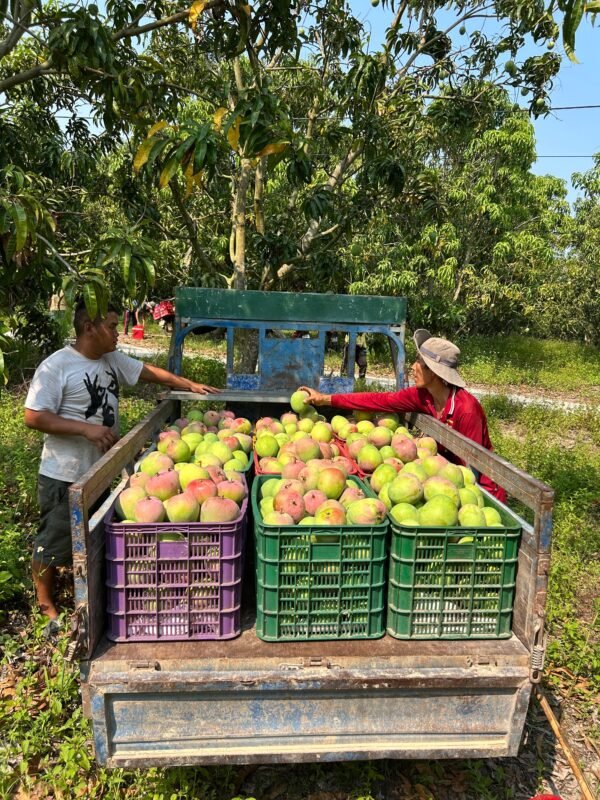
Bangladesh grows some of the best mangoes in the world — Rajshahi, Chapainawabganj and Satkhira produce varieties like Himsagar, Langra and Amrapali that command real interest from overseas buyers, particularly in the Middle East, UK and expat markets in Europe. The gap between growing a good mango and exporting one profitably is almost entirely a cold chain problem. A mango that leaves the orchard in perfect condition can arrive at a foreign port unsellable if even one link in the chain between farm and container breaks down, and most exporters only find out where that weak link was after a shipment is rejected or discounted at the other end.
Why mangoes are harder to export than they look
Mango is a climacteric fruit, meaning it continues to ripen after harvest by producing its own ethylene gas, unlike fruits that stop ripening once picked. This single biological fact drives almost every decision in mango export logistics. Pick too early and the fruit never develops proper sweetness; pick too late and it over-ripens before it clears customs at the destination. Once picked, the ripening clock cannot be paused, only slowed — and the only reliable way to slow it is fast, consistent cold chain handling from the orchard onward. A mango sitting in ambient Bangladesh heat for even a few hours after harvest, waiting for transport, has already used up cold chain time it will need later in the journey.
Pre-cooling: the step most exporters skip
Pre-cooling — rapidly bringing harvested fruit down to storage temperature before it goes into a cold room or reefer container — is the single most under-used step in Bangladeshi mango export chains. Field heat trapped inside a mango after harvest continues to drive ripening even after the fruit is placed in cold storage, because the surface of a crate of mangoes cools faster than the core. Forced-air pre-cooling, where cold air is pulled through ventilated crates rather than simply placed in a cold room, brings the core temperature down far faster than passive cooling and buys real days of shelf life at the destination. Most small and mid-size exporters skip this step entirely, either because they do not have access to forced-air pre-cooling equipment or because harvest happens faster than the cold room can absorb the volume, and the fruit goes straight from field heat into a truck.
Cold room handling before the fruit reaches port
Between the orchard and the port, mangoes typically pass through at least one cold storage point for sorting, grading and packing. This intermediate stage is where a lot of avoidable damage happens — rough handling during grading bruises the skin, which then becomes an entry point for fungal decay during the sea voyage, and inconsistent stacking in the cold room creates pockets of uneven temperature that ripen fruit at different rates within the same batch. A cold room used for mango handling needs enough throughput capacity to move volume during peak harvest weeks (typically May to July for most Bangladeshi varieties) without becoming a bottleneck that forces fruit to wait outside in ambient heat.
Reefer container setup for the sea voyage
For sea freight export, the reefer container itself needs specific settings for mango — typically a temperature in the low-to-mid single digits Celsius combined with controlled atmosphere or at minimum good ventilation to manage the ethylene the fruit continues to produce in transit. Getting this wrong in either direction causes problems: too cold and the fruit suffers chilling injury, a specific type of cold damage that shows up as skin discoloration and poor ripening once it warms up at the destination; not cold enough and the fruit simply over-ripens mid-voyage. Reefer containers also need their airflow pattern checked — mangoes packed too tightly against the container walls or stacked without ventilation gaps will not cool evenly regardless of what the container’s thermostat reads, because the refrigeration unit is cooling the air around the cargo, not the cargo directly.
Documentation specific to fruit export
Mango export carries documentation requirements beyond the standard shipping paperwork covered elsewhere on this site. A phytosanitary certificate from the Bangladesh Department of Agricultural Extension’s Plant Quarantine Wing is mandatory for most destination markets and confirms the shipment is free of pests and plant disease — this needs to be arranged with enough lead time before departure, since it typically involves an inspection of the packed shipment. Depending on the destination country, additional requirements around maximum residue limits for pesticides may apply, which is a growing-practice issue that has to be managed on the farm, not fixed at the port. Exporters who have had shipments rejected at a foreign port almost always trace the cause back to either a missed certificate or a residue issue discovered too late to correct.
Common points of failure in the chain
- Field heat not removed before cold storage, so ripening continues even after the fruit looks properly cooled
- Rough handling during grading and packing creating bruises that become decay points during transit
- Cold room throughput too slow for peak harvest volume, leaving fruit waiting in ambient heat
- Reefer container temperature set incorrectly for the variety, causing either chilling injury or over-ripening
- Phytosanitary certification arranged too late, delaying departure past the fruit’s remaining shelf life
Temperature logging as proof of cold chain integrity
Overseas buyers increasingly ask for evidence that a fruit shipment stayed within its target temperature range for the entire journey, not just a promise that it did. Data loggers — small devices placed inside the reefer container or pallet that record temperature at set intervals throughout transit — provide exactly this evidence, and the resulting temperature log can be shared with the buyer on arrival or used to support an insurance claim if the shipment does arrive with cold-chain-related damage. For exporters building a repeat relationship with a foreign buyer, being able to produce this data proactively, rather than only when a dispute arises, is a meaningful trust-building step that distinguishes a serious exporter from a one-off shipper. It is also useful internally — a logger that shows a temperature spike during a specific leg of the journey tells you exactly where in your own chain the weak link is, rather than leaving you to guess between the packhouse, the trucking leg, and the vessel itself.
Building a mango export cold chain that actually holds
A workable mango export operation usually needs pre-cooling capacity near the orchard, a properly sized cold room for grading and consolidation, and a reliable reefer booking process that accounts for the fruit’s narrow shelf-life window — three separate pieces that have to work together rather than as isolated purchases. If you are setting up or expanding mango export capacity, DE International sources cold room panels, pre-cooling equipment and refrigeration components from China and manages door-to-door logistics into Bangladesh, alongside the sea freight booking for the export leg. Get in touch to discuss your specific harvest volume and export markets, or browse the shop for related equipment.
Related reading: Cold Chain for Dairy Export from Bangladesh, Mini Cold Storage for Fruit Exporters, and Reefer Container Shipping Explained.
