

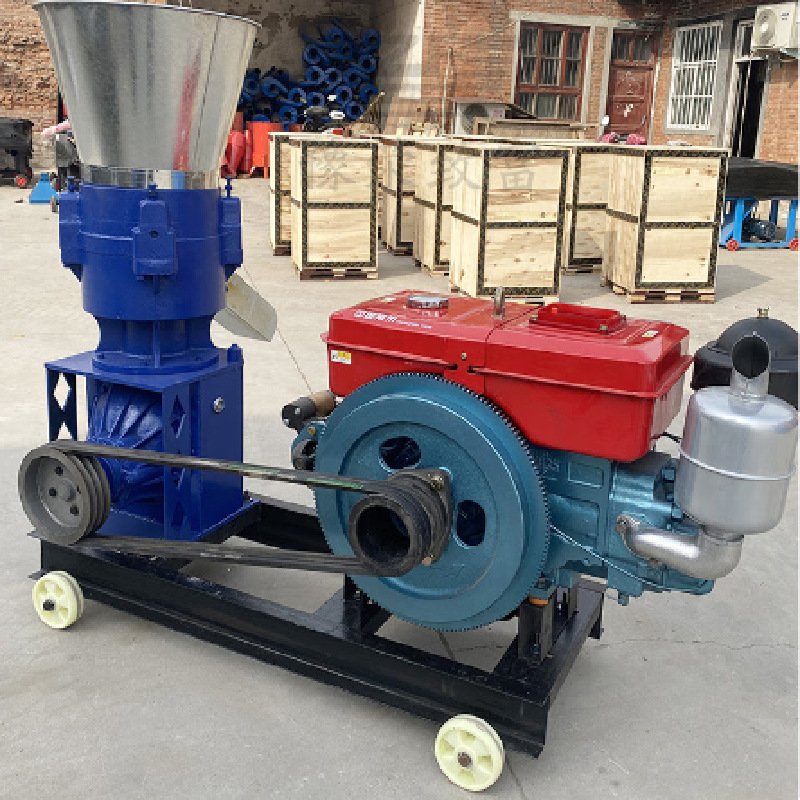
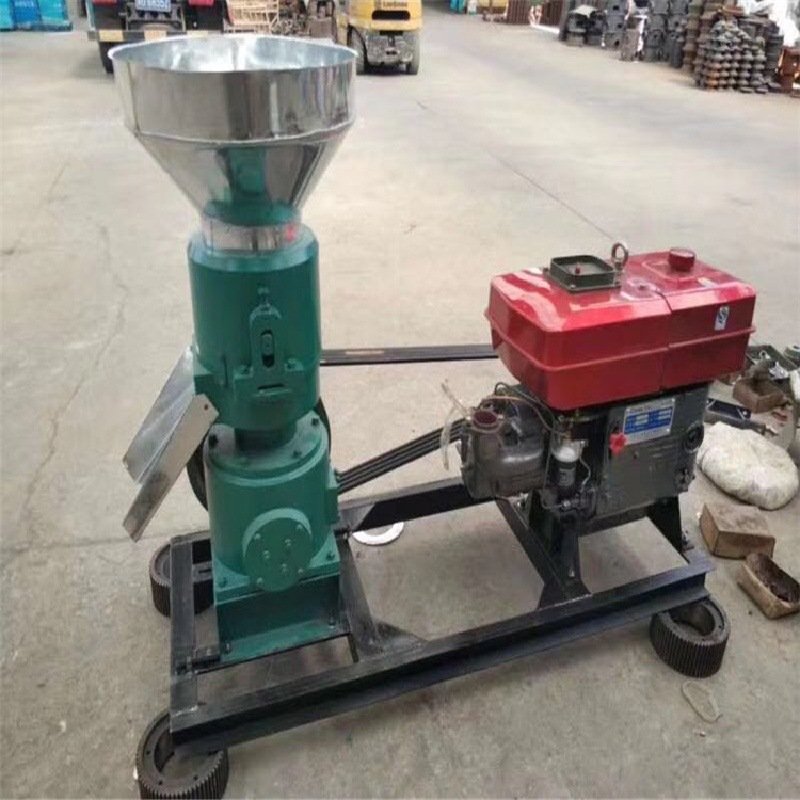
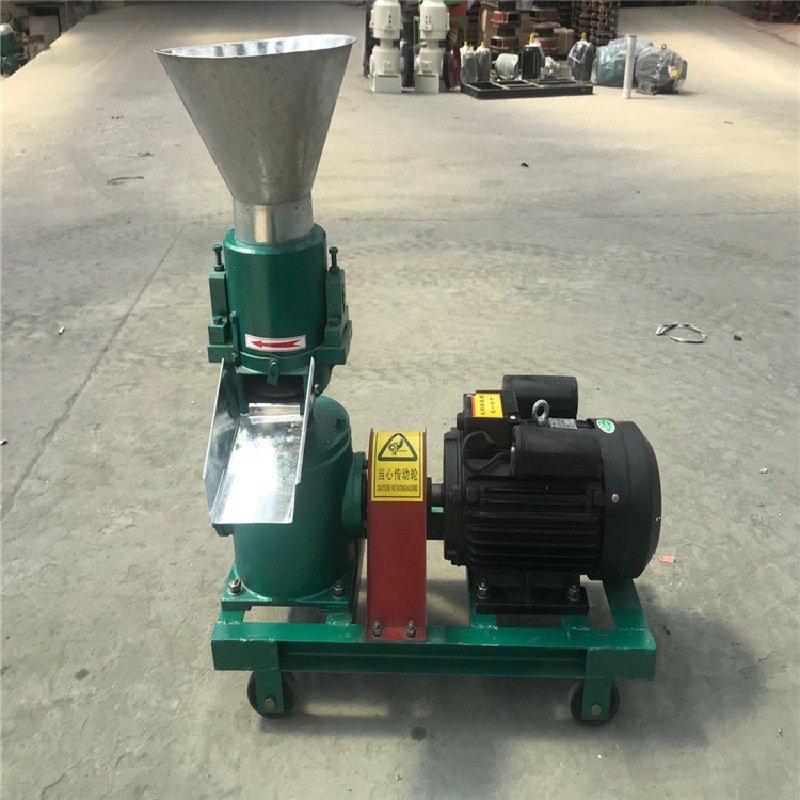
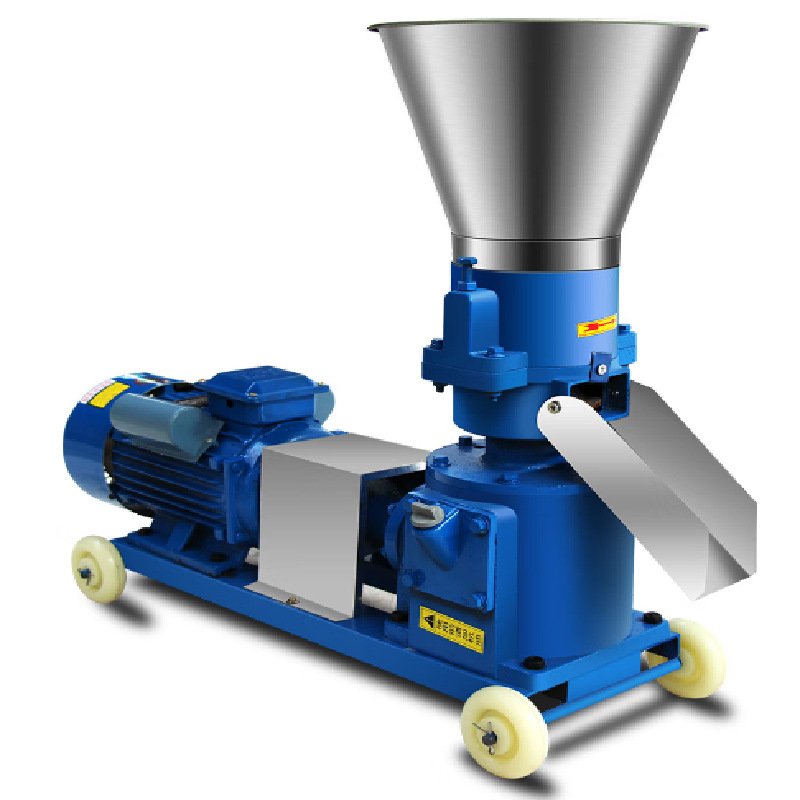

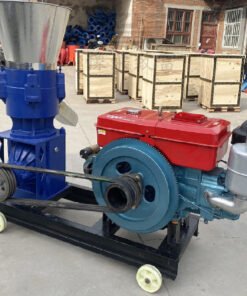
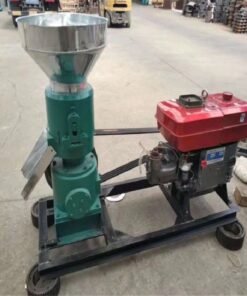
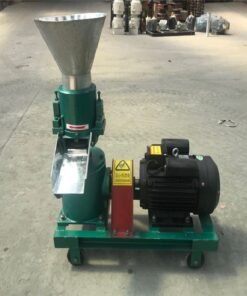
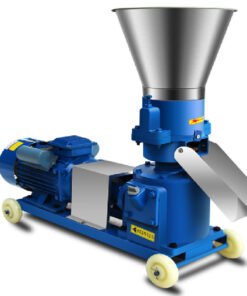
160-Type Feed Pellet Mill – Home Forage & Grass Pelletizer


Import this from China to Bangladesh — sourcing, freight & customs handled, no trade license needed. Send your inquiry below and we will reply with an all-in price.
Inquiry for: 160-Type Feed Pellet Mill – Home Forage & Grass Pelletizer
Bangladesh already has local suppliers of feed pellet mills — crescentintbd.com and Bangladesh Hydraulic Machine both list automatic feed pellet machines in the ৳85,000–250,000 range for smaller 200-250 kg/hour models. A locally stocked machine is often a fixed capacity at a fixed price. Sourcing factory-direct from China gives you more control over capacity, wet/dry feed capability, and price, because you’re buying from the manufacturer rather than a reseller’s existing stock. DE International verifies the manufacturer, arranges quality inspection, and imports to Bangladesh with freight and customs handled end to end.
What This Machine Is
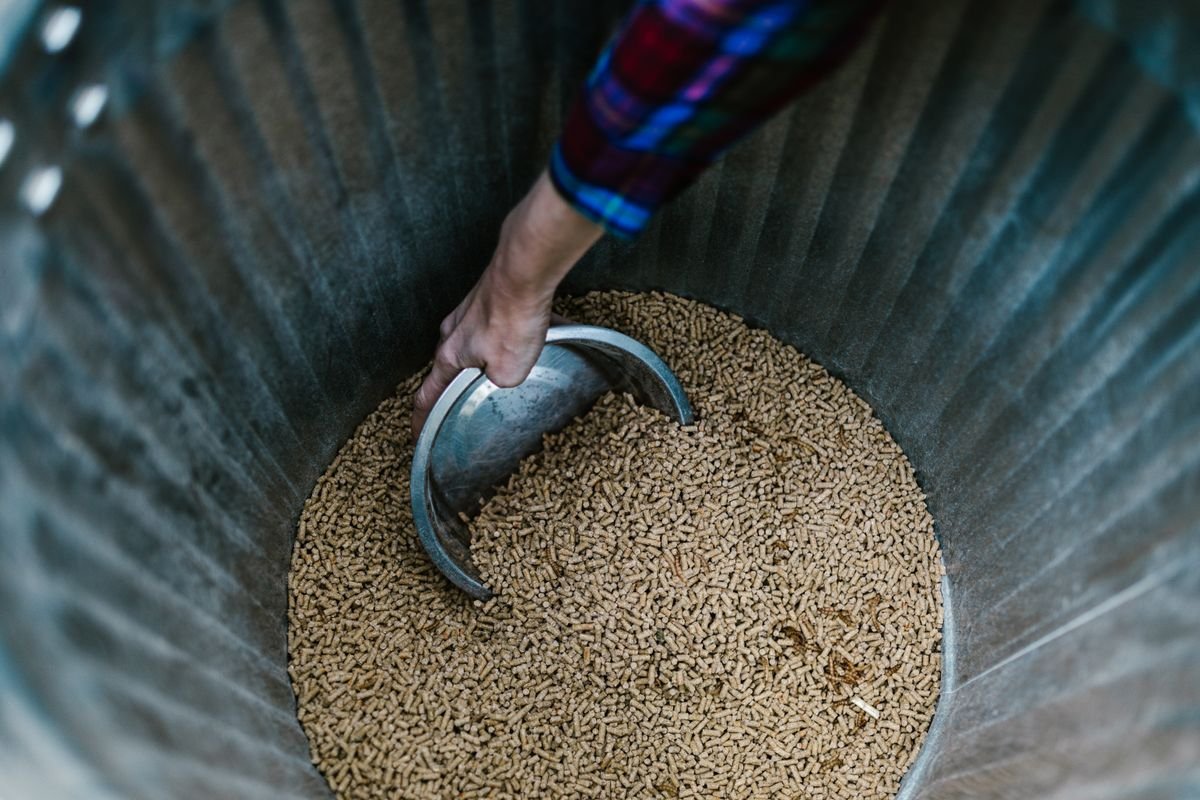
A 160-type feed pellet mill is a small-to-mid capacity pelletizer that compresses ground feed material — grass, forage, straw, or mixed feed ingredients — into uniform pellets using a rotating ring die and roller system. The “160” refers to the ring die diameter class, which places this machine in the small farm and home-use category rather than the larger commercial multi-ton-per-hour mills. It handles both wet and dry material, which matters because fresh-cut grass and forage often need pelletizing without a separate drying step first.
Who Should Buy This Machine
- Small and mid-size livestock farmers making their own feed pellets instead of buying pre-made feed
- Poultry and cattle farms wanting more control over feed formulation and ingredient cost
- Grass and forage producers converting fresh-cut material into storable, transportable pellets
- Small feed businesses starting a pelletizing operation without committing to a large commercial mill
If you’re running a large-scale commercial feed operation needing multiple tons per hour, this home/small-farm class of machine won’t keep up — a larger ring-die or flat-die commercial mill is the right category. This machine earns its cost back for farms and small producers where buying pre-made feed pellets costs more per kilogram than making your own from raw material.
Industries & Common Applications
- Poultry and livestock feed production — on-farm pelletizing to control cost and formulation
- Grass and forage pelletizing — wet or dry material processed into storable pellets
- Small-scale feed businesses — entry-level pelletizing without large commercial mill investment
- Straw and crop-residue processing — converting agricultural byproducts into usable feed pellets
Wet vs. Dry Material Processing
| Material condition | Consideration |
|---|---|
| Wet (fresh-cut grass/forage) | Pelletized without a separate drying step; check the model’s wet-material capability before ordering |
| Dry (straw, dried feed mix) | Standard pelletizing process, generally simpler on the machine |
Not every “160-type” mill on the market handles wet material equally well — confirm this specifically against your actual raw material, since it’s one of the most common mismatches between what buyers expect and what a generic listing actually delivers.
What to Confirm Before You Order
| Specification | Why it matters |
|---|---|
| Primary raw material | Grass, straw, and mixed feed ingredients pelletize differently |
| Wet or dry processing | Not all models handle fresh wet material equally well |
| Target output volume | Confirms this home/small-farm class fits, or a larger mill is needed |
| Power supply | Electric motor models need confirmed adequate power at your facility |
| Pellet diameter needed | Different livestock and applications need different pellet sizes |
Main Features
- Wet and dry material capability — pelletizes fresh-cut grass and forage without a separate drying step
- Compact, home/small-farm scale — sized for individual farms rather than commercial feed mills
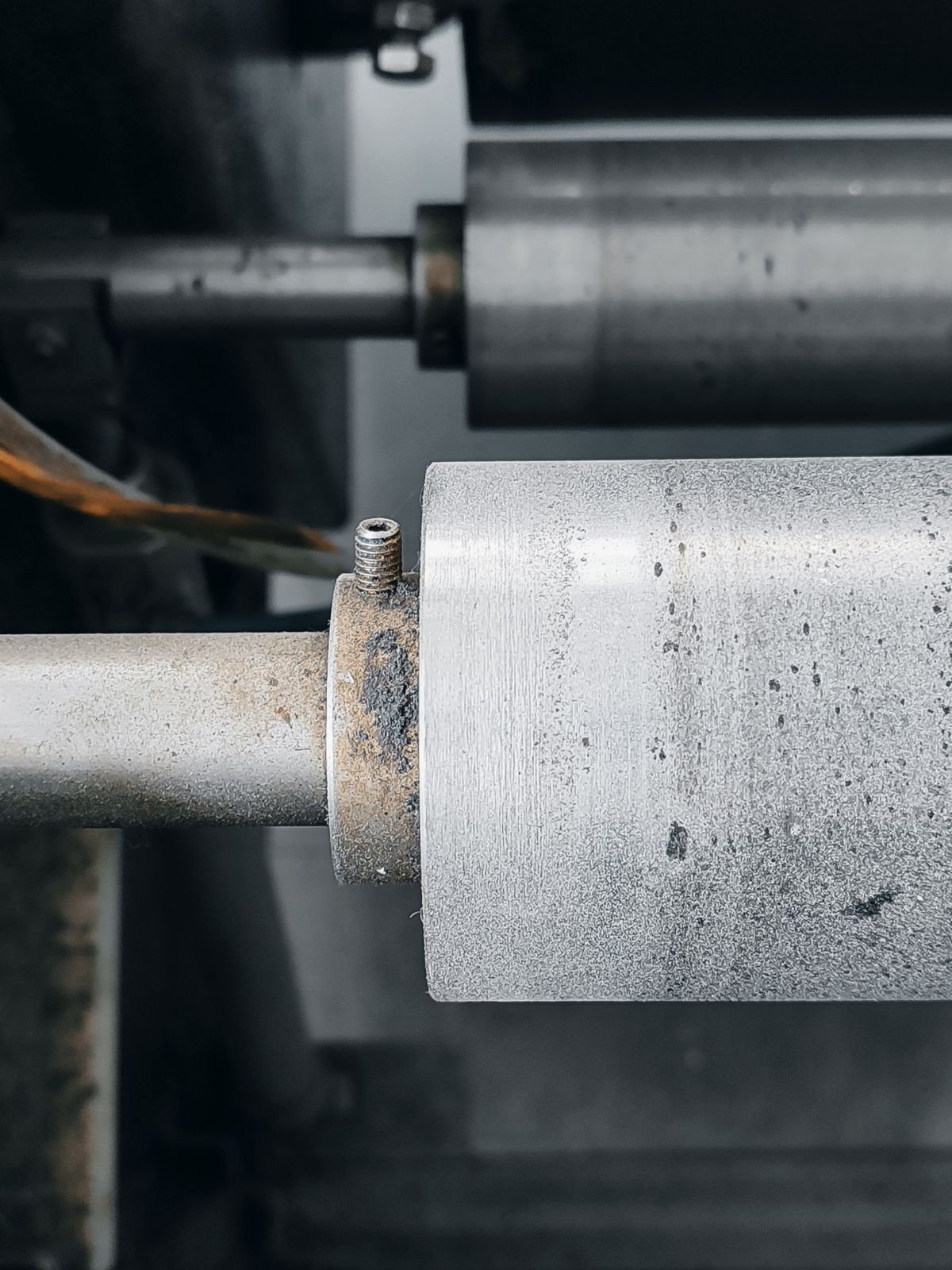
- Ring die and roller pelletizing system — compresses ground material into uniform pellets
- Suitable for multiple raw materials — grass, forage, straw, and mixed feed ingredients
Benefits & Advantages Over Buying Pre-Made Feed
| Buying Pre-Made Feed | Making Your Own Pellets | |
|---|---|---|
| Ingredient control | Fixed by the feed supplier’s formulation | Full control over what goes into the pellets |
| Cost per kilogram | Includes the supplier’s processing and margin | Can be lower using your own raw material |
| Supply reliability | Dependent on supplier stock and pricing changes | Independent of feed market fluctuations |
| Upfront investment | None | One-time machine cost, recovered over time |
Buying Considerations
- Confirm wet-material handling explicitly if you’re processing fresh-cut grass or forage — don’t assume every “160-type” listing handles this equally well.
- Match capacity to your real farm scale — this is a home/small-farm class machine, not a commercial multi-ton mill.
- Check power supply requirements against your facility before ordering an electric model.
- Confirm pellet diameter options match your livestock’s needs.
- Ask what’s actually being sold. A locally listed “feed pellet mill” may not specify wet/dry capability or actual capacity — confirm the real specification before ordering.
Factory Selection & Quality Inspection
DE International verifies the manufacturer’s business license and production capability before placing an order, and can arrange pre-shipment quality inspection covering the ring die, roller assembly, and motor function — so issues are caught in China, not after the mill has landed in Bangladesh.
Packaging & Shipping to Bangladesh
This compact-class pellet mill is typically shipped by sea freight, crated with protective packaging for the motor and die components. DE International handles freight booking, customs clearance, and door-to-door delivery, so you’re coordinating with one party instead of a freight forwarder and a separate customs agent.
Installation & After-Sales
These machines are generally straightforward to set up, requiring power connection and initial calibration for your raw material. We recommend confirming spare-parts availability (ring die, rollers) and basic operator guidance as part of your order before the machine ships, since die and roller wear parts need periodic replacement.
Frequently Asked Questions
Can this machine process fresh-cut grass without drying it first?
Wet-material handling varies by model, so this should be confirmed specifically when requesting a quote rather than assumed from the general “wet and dry” category description. Tell us your actual raw material and moisture content and we’ll confirm the right configuration.
What size farm operation is this machine suited for?
This is a home and small-farm class machine, not a commercial multi-ton-per-hour mill. If your target output is significantly larger, a bigger ring-die or flat-die commercial mill is the right category — tell us your target volume and we’ll recommend accordingly.
How does this compare to feed pellet mills sold locally in Bangladesh?
Local suppliers like crescentintbd.com and Bangladesh Hydraulic Machine list automatic feed pellet machines around ৳85,000–250,000 for smaller capacity models. Sourcing factory-direct from China gives more control over capacity, wet/dry capability, and price by ordering from the manufacturer rather than existing reseller stock.
What livestock is this suitable for?
Feed pellets from this class of mill are commonly used for poultry, cattle, and other livestock, with pellet diameter adjusted to the target animal. Confirm your target livestock and pellet size when requesting a quote.
Can I get the machine inspected before it ships?
Yes — pre-shipment inspection can be arranged at the factory, covering the ring die, roller assembly, and motor function, before the machine leaves China.
Related Machinery & Services
- China Sourcing Agent Service — factory verification and supplier vetting
- China Import Support Service — freight, customs, and door-to-door delivery
- Browse all agricultural machinery
Tell us your raw material, wet or dry processing needs, and target output — we’ll match you to the right configuration and provide a factory-verified quote.
| Product specifications |
|---|
Be the first to review “160-Type Feed Pellet Mill – Home Forage & Grass Pelletizer”
Related products


Reviews
There are no reviews yet.