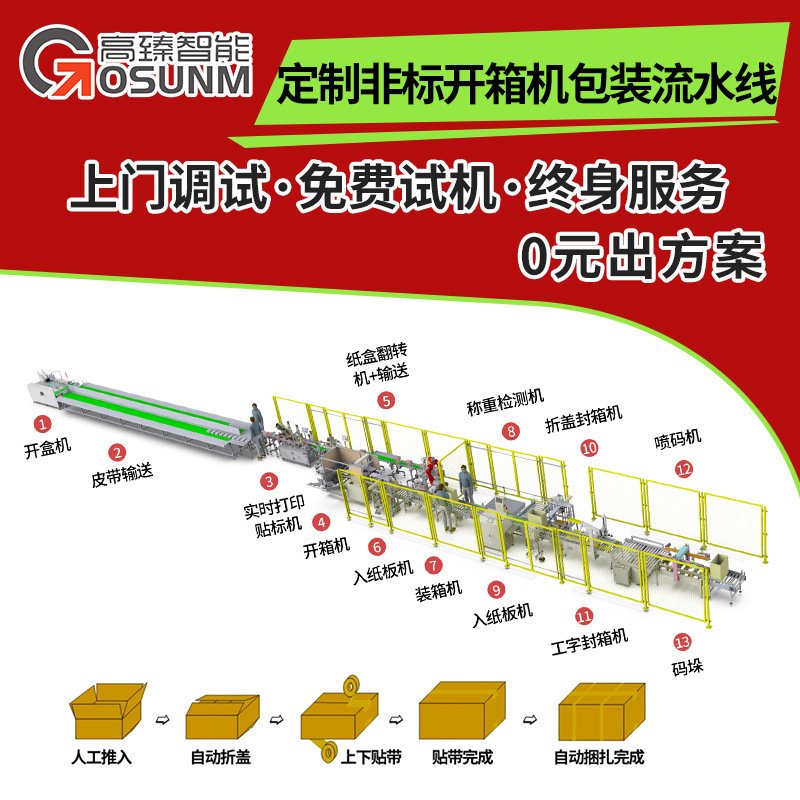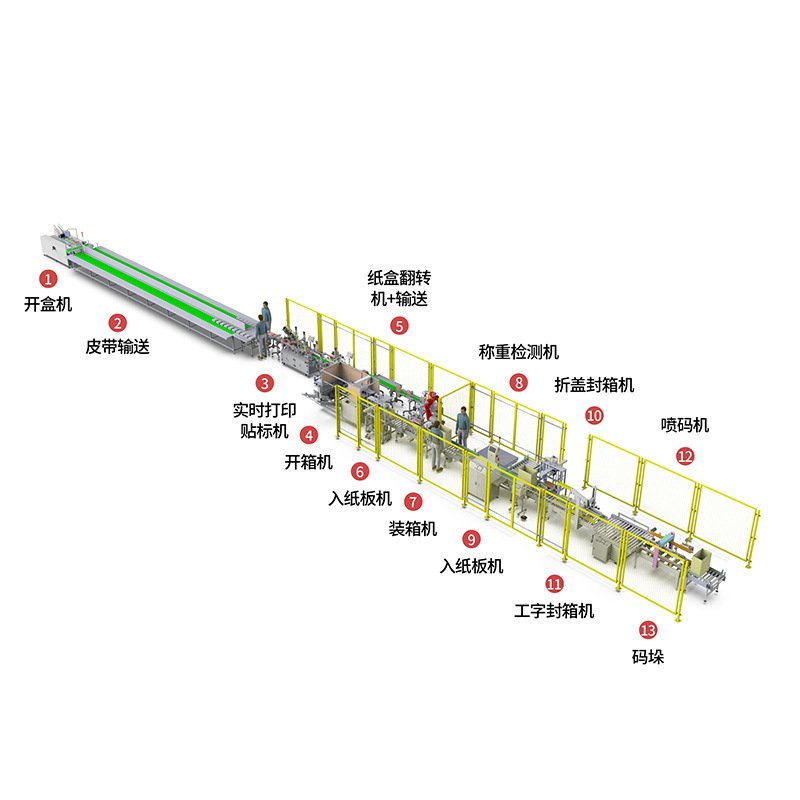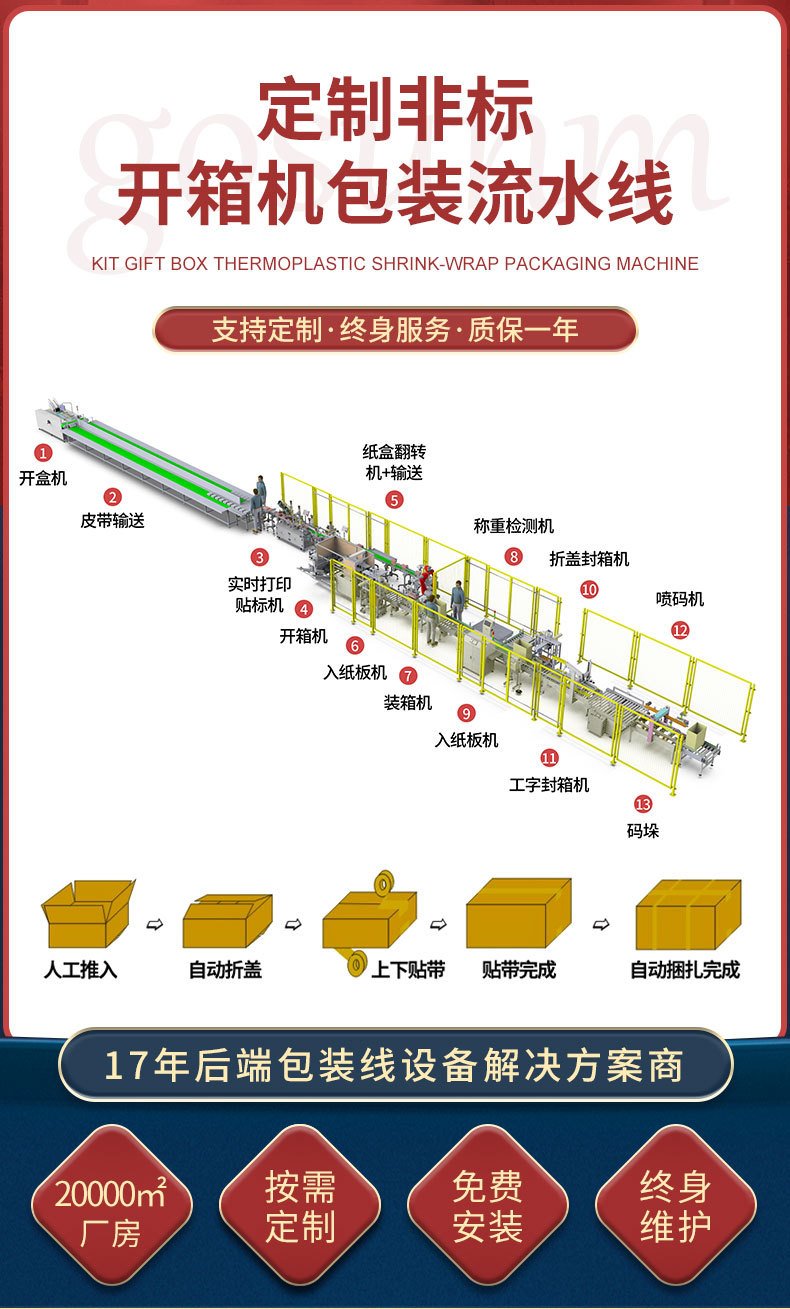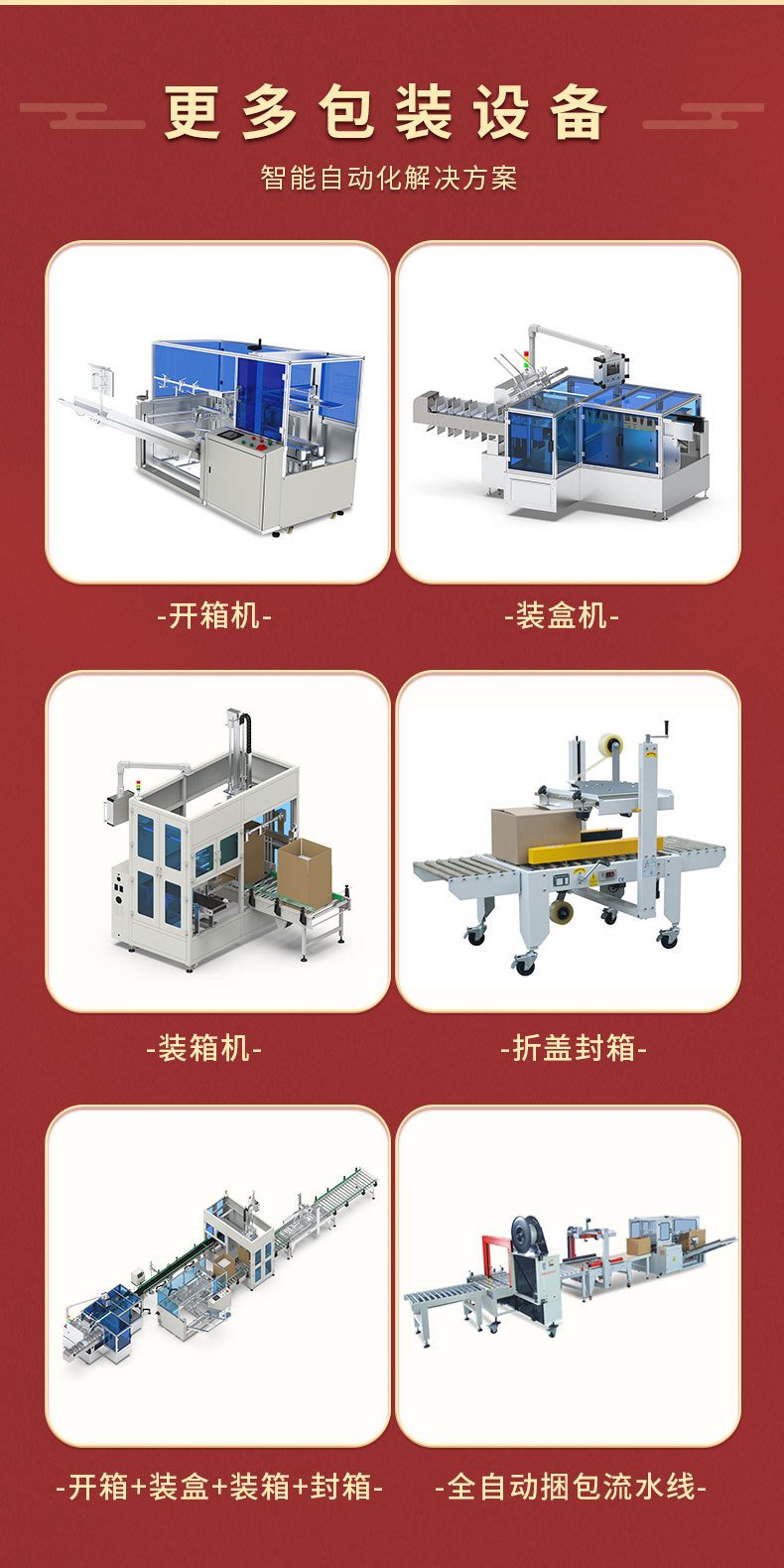
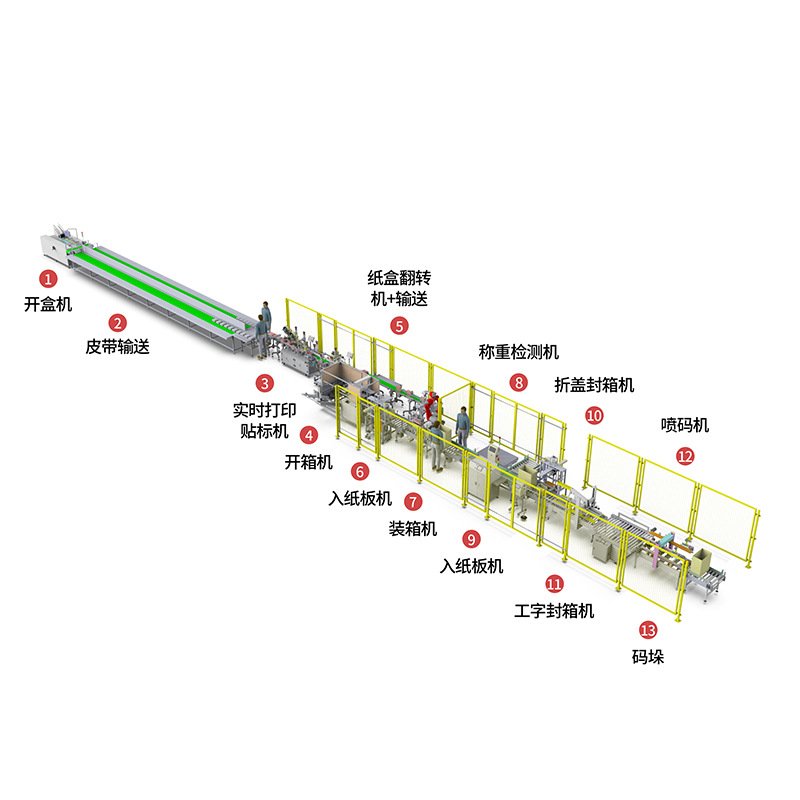
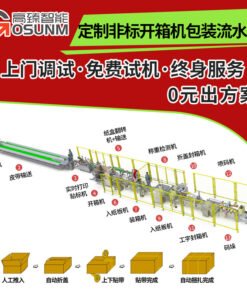
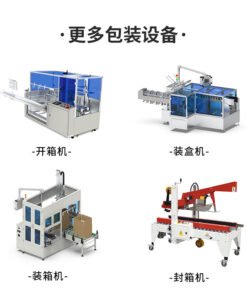
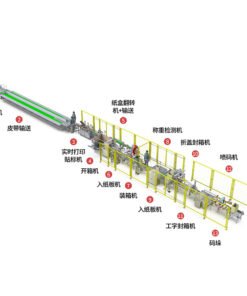
Before a product can be packed into a carton, someone has to take the flat cardboard blank, fold it into shape, and seal the bottom so it’s ready to be filled — a repetitive, physically tiring task when done by hand at any real volume. An automatic carton forming and bottom-sealing machine takes flat carton blanks and turns them into ready-to-fill boxes with a sealed bottom, feeding straight into your packing line. DE International sources these machines factory-direct from China, verifies the manufacturer, and imports to Bangladesh with freight and customs handled end to end.
What This Machine Is
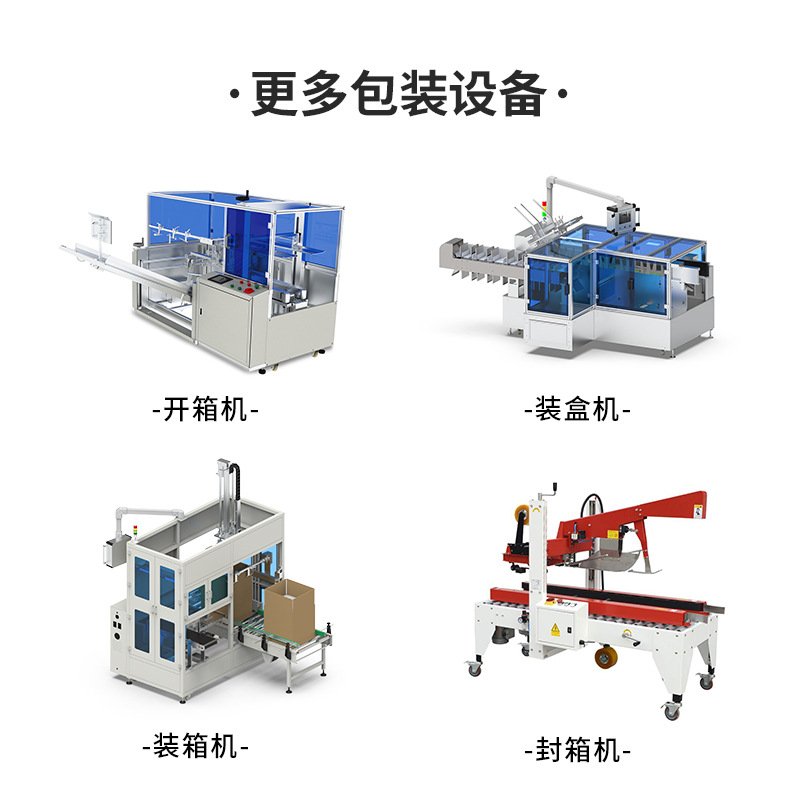
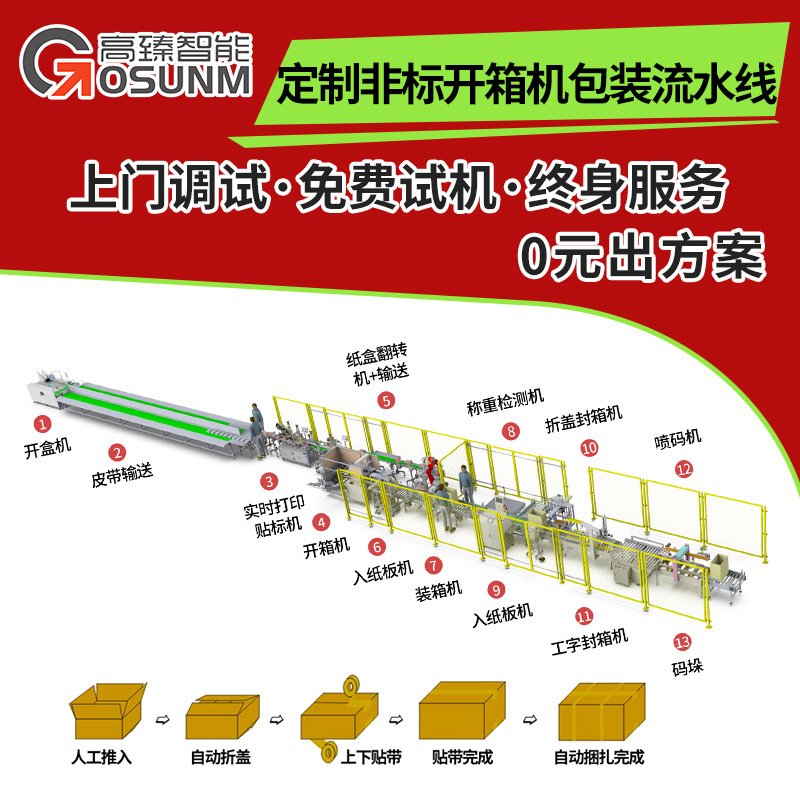
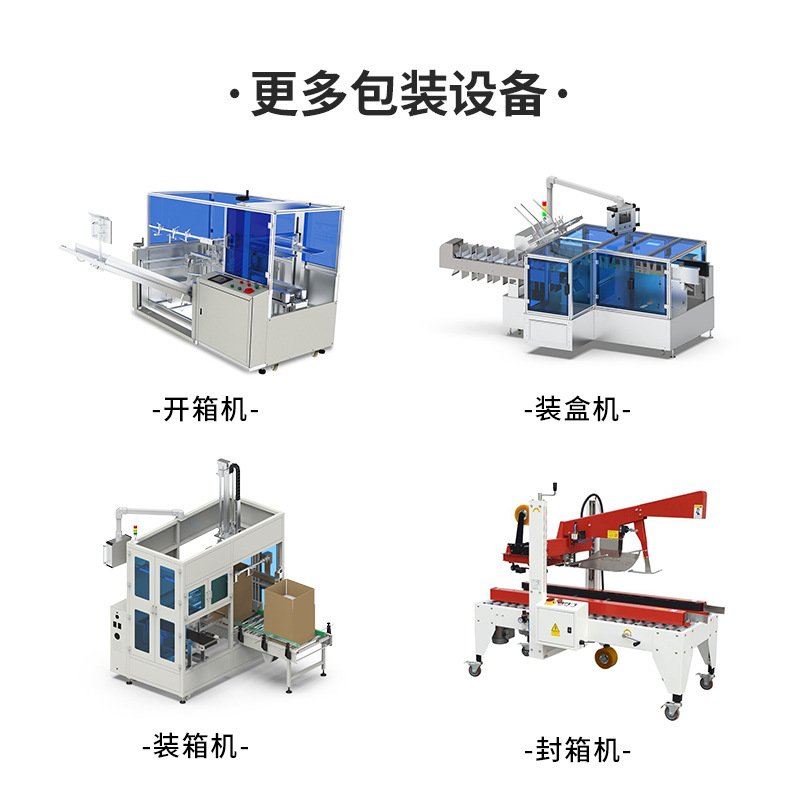
A carton forming and bottom-sealing machine takes a flat, die-cut cardboard blank — already printed or plain — and mechanically folds it into a box shape, then seals the bottom flaps using hot-melt glue or tape, producing an empty, ready-to-fill carton. This sits upstream of your actual product packing step: instead of workers folding and taping boxes by hand before they can even start packing, formed cartons come off this machine ready to load. It’s a distinct machine from a cartoning/case-packing machine, which fills an already-formed box with product — this one only forms and bottom-seals the empty carton.
Who Should Buy This Machine
- Manufacturers and packers shipping product in cartons at volume — food, consumer goods, electronics, e-commerce fulfillment
- Contract packing operations forming cartons for multiple client brands
- E-commerce and fulfillment centers where box-forming labor is a real bottleneck during peak order volume
- Any operation currently hand-folding and taping boxes at a volume where labor cost and speed are becoming a constraint
If your box volume is genuinely low, manual folding and taping may still be workable. This machine earns its cost back once labor time on box forming starts meaningfully slowing down your overall packing line.
Industries & Common Applications
- Food & beverage packaging — retail and shipping cartons
- Consumer goods manufacturing — product shipping cartons
- E-commerce fulfillment — forming cartons ahead of a high-volume packing/shipping operation
- Contract packing & logistics providers — forming cartons for multiple clients on one line
Production Capacity Options
| Configuration | Typical use case |
|---|---|
| Semi-automatic | Lower volume, operator loads blanks manually, still faster than hand-folding |
| Fully automatic | Higher-volume operations, continuous blank feeding and forming |
| Adjustable carton size range | Most machines cover a range of box dimensions via adjustable guides |
What to Confirm Before You Order
| Specification | Why it matters |
|---|---|
| Carton size range | Determines the adjustable guide and forming-head range needed |
| Carton board weight/thickness | Heavier board needs more forming force and different fold mechanics |
| Sealing method | Hot-melt glue vs tape sealing changes the machine configuration |
| Target throughput | Cartons per minute needed sets the automation level required |
| Line integration | Standalone unit vs feeding directly into your packing/filling line |

Machine Configurations & Optional Customizations
- Sealing method — hot-melt glue or tape, depending on your carton material and preference
- Size adjustment range — matched to your specific carton dimensions
- Automation level — semi-automatic (manual blank loading) or fully automatic feeding
- Line integration — standalone or connected to a downstream filling/packing machine
Main Features
- Consistent box quality — uniform folds and seal strength compared to hand-forming
- Higher throughput — substantially faster than manual folding and taping
- Reduced labor — frees workers for other tasks on the packing line
- Adjustable size range — many machines handle multiple carton dimensions with a settings change

Benefits & Advantages Over Manual Box Forming
| Manual Folding & Taping | Automatic Forming Machine | |
|---|---|---|
| Speed | Slow, labor-intensive per box | Substantially faster, sustained cycle rate |
| Seal consistency | Variable, worker-dependent | Consistent glue/tape application every cycle |
| Labor requirement | Dedicated workers for a repetitive task | One operator can typically run the machine |
| Peak-volume handling | Struggles to scale during demand spikes | Sustains higher throughput when order volume increases |

Buying Considerations
- Confirm the carton size range matches your actual boxes, including any variation across your product line.
- Check board weight compatibility — heavier or specialty board may need a specific forming configuration.
- Decide between glue and tape sealing based on your carton material, cost preference and downstream handling.
- Size to your realistic peak volume, not your average day — box forming is often a seasonal or order-spike bottleneck.
- Plan the line layout for how formed cartons will feed into your next packing step.
Factory Selection Advice
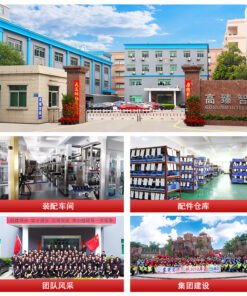
Fold consistency and seal reliability depend on the precision of the forming mechanism — something that’s hard to judge from photos alone. We verify the manufacturer in person, confirming genuine production capability before you commit a deposit. This is the core of our factory verification service.
Quality Inspection Recommendations
Before the machine ships, we recommend a functional test with a sample of your actual carton blank — checking fold accuracy and seal strength across multiple cycles, not just a static inspection. Our quality inspection service covers this before your balance payment is released.
Packaging & Shipping Options
- Sea freight is standard for this equipment given its size
- Export crating to protect the forming mechanism and control components during transit
- Consolidation with other packaging line equipment in the same shipment is possible
Freight, customs clearance and delivery are handled through our full import support service, including a door-to-door option with no trade license required.
Installation & After-Sales Considerations
Confirm before ordering what setup and calibration guidance is provided for your specific carton size and material, and what spare parts (glue heads, belts, forming plates) are recommended to keep on hand for a machine that will be running continuously on your packing line.
Related Machinery
Related Services
Related Buying Guides
- How to Find a Reliable Supplier in China
- AQL Explained: How Many Defects Are Acceptable?
- Trade License vs No-License Import: Cost Comparison
Frequently Asked Questions
Is this the same as a cartoning machine?
No. This machine forms and bottom-seals empty cartons from flat blanks. A cartoning/case-packing machine fills an already-formed box with product — a separate step downstream. The two are often used together on a packing line.
Can it handle different carton sizes?
Most machines cover a range of dimensions via adjustable guides. Tell us your carton size range and we’ll confirm the right configuration.
Glue or tape sealing — which is better?
It depends on your carton material, cost preference and how the box will be handled downstream. We’ll help you decide based on your specific product.
Do you inspect the machine before it ships?
Yes. Our quality inspection service includes a functional test with a sample of your actual carton blank before shipment.
Can I import this without a trade license?
Yes — through our door-to-door import service we can clear the shipment under our own documents and deliver to your facility.
Does this machine also fill the box with product?
No, this specific machine only forms and seals the empty carton. Filling requires a separate cartoning or case-packing machine, which we can also help you source.


Reviews
There are no reviews yet.