
Import & Export Guides
Air Freight for Live Animals and Day-Old Chicks: Importing Poultry Genetics to Bangladesh
Aug
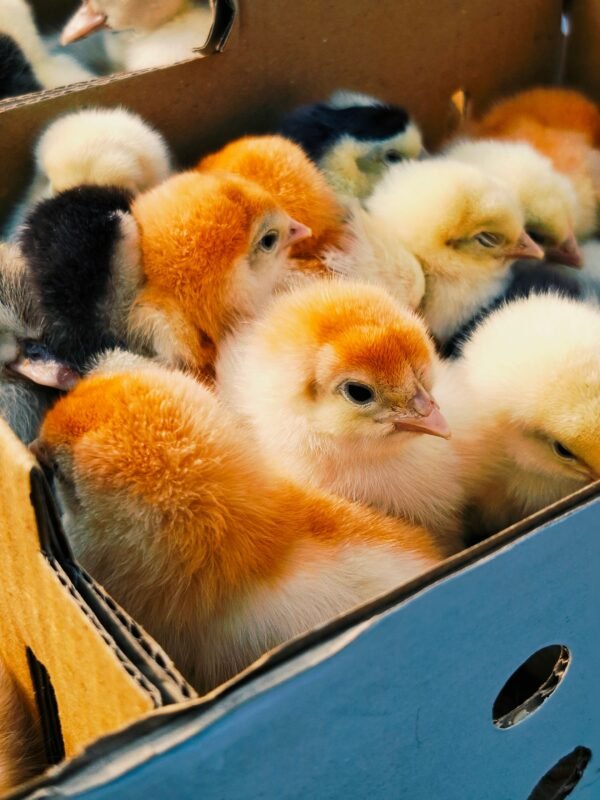
Bangladesh’s poultry industry depends on a steady pipeline of imported parent and grandparent stock — the breeding chicks that Bangladeshi hatcheries raise to eventually produce the broiler and layer chicks sold to farms across the country. Some of that genetic stock comes from China, and moving it is nothing like shipping a container of electronics. Live animal air freight runs on an entirely different rulebook, built around a biological clock that starts ticking the moment the chicks hatch.
Why the 72-Hour Window Drives Everything
A day-old chick can survive roughly 72 hours after hatching without external feed or water, because it is still absorbing nutrients from the residual yolk sac it carried out of the egg. That biological fact is the single most important constraint on this entire shipment category — it is why day-old chicks are viable for international air freight at all, and it is also why the entire chain from hatchery to farm has to be planned backward from that deadline rather than forward from a convenient flight schedule. Every hour spent on ground handling, customs clearance, or a missed connection eats directly into that window, with no way to top it up mid-journey the way you could with feed for an older animal.
IATA Live Animals Regulations Govern the Whole Chain
Live animal air shipments are governed by IATA’s Live Animals Regulations (LAR), a detailed rulebook covering everything from the container specifications chicks must travel in to the ventilation, stacking, and temperature requirements at every handling point. Chick boxes are purpose-built with specific ventilation hole patterns and stacking limits designed to maintain airflow to every box in a pallet load — stacking them incorrectly, even briefly during ground handling, can be enough to compromise chicks in the boxes at the bottom of the stack. Not every cargo airline or ground handling agent is set up to comply with LAR, which is why live animal shipments can only move through airlines and handlers specifically approved for this cargo category, not general air freight capacity.
The Import Permit Has to Exist Before the Chicks Hatch, Not After
On the Bangladesh side, importing live poultry stock requires a permit from the Department of Livestock Services (DLS), along with a health certificate issued by the exporting country’s veterinary authority confirming the flock of origin is free from specific notifiable diseases. Because of the 72-hour clock, this permit and the associated paperwork cannot be something you start arranging once the chicks are already in transit — it needs to be secured well before the hatch date, so that the shipment can move the moment the chicks are ready rather than waiting on approvals while the clock runs. Getting this sequencing wrong is the most common way an otherwise well-organised shipment fails.
Ground Handling Is Where Shipments Actually Go Wrong
The flight itself is often the easiest part. The highest-risk points are on the ground: the transfer from the hatchery to the departure airport, any layover or transit stop, and the final leg from Hazrat Shahjalal International Airport to the receiving farm. Chicks are sensitive to temperature extremes in both directions — leaving a pallet of chick boxes sitting on a hot tarmac or in an unconditioned holding area, even briefly, can cause real losses. This is why live animal shipments need a dedicated handling desk at both ends, and why a direct flight routing, even at a higher cost, is often worth it simply to avoid an extra ground transfer and the associated exposure and delay risk.
Quarantine and Post-Arrival Requirements
Arrival in Bangladesh is not the end of the regulatory chain. Imported breeding stock is typically subject to a quarantine period at the receiving farm, with monitoring requirements set by DLS to confirm the flock remains free of disease before it is integrated into wider breeding operations. Farms bringing in new genetic stock need quarantine facilities ready and staffed before the shipment lands, not arranged afterward, since a delay in getting chicks out of transport boxes and into appropriate brooding conditions compounds whatever stress the journey has already put them under.
What This Means for Planning a Shipment
Because so much of this process is sequential and time-critical, the planning work for a live poultry shipment genuinely starts weeks before the hatch date, not days. DLS permit approval, health certification from the country of origin, LAR-compliant airline booking, and quarantine facility readiness all need to be confirmed and lined up in advance, so that the only variable left on shipment day is the flight itself.
- Day-old chicks have a roughly 72-hour survival window post-hatch due to residual yolk sac reserves — plan every step backward from this deadline.
- Only IATA LAR-approved airlines and ground handlers can legally move live poultry shipments.
- DLS import permits and exporting-country health certificates must be secured before the hatch date, not after.
- Ground handling — not the flight itself — is where most shipment losses occur, especially temperature exposure during transfers.
- Quarantine facilities at the receiving farm need to be ready before the shipment lands.
Choosing an Airline and Routing
Not every route between a Chinese hatchery region and Dhaka has a direct flight, and where a direct option does not exist, the routing choice becomes one of the most consequential decisions in the whole shipment. A one-stop routing through a well-organised transit hub with a dedicated live-animal handling facility can still work within the 72-hour window, but a routing through an airport without that infrastructure — where chick boxes might sit on a standard cargo apron alongside general freight rather than in a temperature-appropriate holding area — introduces risk that is difficult to fully mitigate after the fact. Working with a freight partner who has handled live animal routings before, and who can confirm which specific airports along a proposed route actually have LAR-compliant ground handling, is worth more here than simply booking the cheapest available cargo capacity.
Documentation That Must Be Ready Before Departure
Beyond the DLS import permit and health certificate, a live animal air shipment travels with its own dedicated set of IATA documentation, including a Shipper’s Certification for live animals confirming the shipment has been packed and labelled in accordance with LAR requirements. Airlines that accept live animal cargo will typically refuse to load a shipment where this certification is missing or incomplete, regardless of how much lead time has otherwise gone into planning — it functions as a final compliance checkpoint before the chicks are physically loaded. Building a checklist that separates the DLS/health certificate paperwork required for Bangladesh customs and quarantine from the IATA LAR paperwork required for the airline to accept the shipment at all helps avoid a last-minute scramble at the departure airport.
Planning a Live Shipment With Us
Live animal shipments are one of the most time-sensitive and tightly regulated categories we work with, and getting the sequencing right — permits, LAR-compliant booking, and ground handling — matters more here than almost anywhere else in air freight. If you are planning an import of breeding stock or other live animal cargo from China, talk to our team at DE International well ahead of your hatch date so we can help plan the permit and booking timeline properly, or explore our broader logistics services and sourcing and buying agent service.
