
Import & Export Guides
Cold Storage for Dried Chilli, Turmeric and Whole Spices: Cool, Dry and Pest-Free
Sep
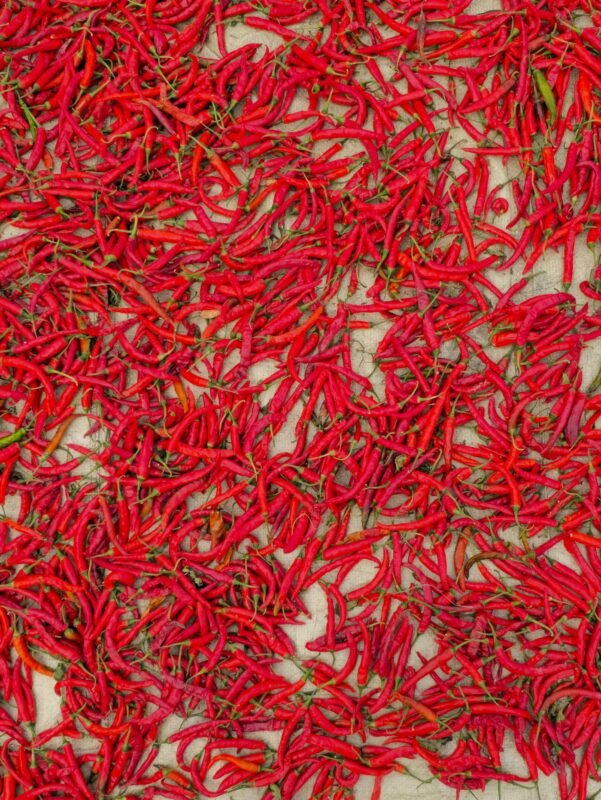
Dried chilli, turmeric fingers, coriander seed, cumin and whole garam masala spices are stored by the tonne across Bangladesh — by traders holding through the price cycle, by processors feeding grinding lines, and by exporters. The instinct is to treat them like grain and stack them in a shed. Spices behave differently. They do not need a freezer, but they do need control of two things a shed cannot give: moisture and pests.
Why spices are not a freezer product
Dried spices are already low in moisture and shelf-stable at room temperature for months. Putting them below freezing does nothing useful and risks condensation every time a carton comes out into warm, humid air — and condensation on a dried spice is the start of mould. What degrades stored spice is not warmth in itself; it is humidity, heat driving off volatile oils, light bleaching colour, and insects breeding in the stack. So the target is a cool, dark, low-humidity room, not a cold one.
A practical holding environment for whole dried spices is a moderately cool room — cooler than an un-airconditioned godown in a Bangladeshi summer — with humidity held down and air kept moving gently. The exact set point depends on the spice, the packaging and how long you are holding it, so treat this as a design conversation rather than a single number to copy.
Moisture is the number that matters
Every dried spice has a safe moisture content below which mould cannot establish. Chilli and turmeric that went into storage properly dried, then picked up moisture from humid air or a damp floor, can climb back above that line without anyone noticing until there is visible mould or a musty smell. Two failures cause most of it: storing spice that was under-dried at source, and storing correctly dried spice in a room where humidity is uncontrolled.
The controls are straightforward. Take in only spice that meets your moisture spec, and check it on arrival rather than trusting the supplier. Keep the store’s relative humidity down with dehumidification or a properly specified refrigeration coil that also removes moisture. Keep stock off the floor and away from walls on pallets so ground moisture and wall condensation cannot wick in. Our guide on humidity control in mini cold storage covers the equipment side.
The aflatoxin risk
Chilli in particular is associated with aflatoxin — a toxin produced by moulds that grow on damp produce, which does not go away when the mould is later killed or the spice is ground. It is a food-safety issue and a hard barrier for exporters, because destination markets test for it and reject shipments over the limit. Storage does not create aflatoxin on properly dried, clean chilli, but poor storage — a humid room, a leaking roof, condensation on cartons — is exactly the condition that lets the responsible moulds grow. For anyone holding chilli for export, a dry, controlled store is a food-safety control, not just a quality nicety.
Pests: the stored-product insects
Whole spices feed a specific set of insects — the cigarette beetle and the drugstore beetle are the classic dried-spice pests, along with various weevils in seed spices like coriander and cumin. They arrive in incoming stock, breed in the warm centre of a stack, and bore through packaging. A hot godown is an incubator; a cool store slows their life cycle dramatically, which is one of the main reasons to chill spice storage at all.
Cool temperature alone will not clear an existing infestation. Combine it with: inspecting and, where justified, fumigating incoming lots before they go into the main store; first-in-first-out rotation so nothing sits long enough to support several insect generations; sealed liner bags inside cartons; and regular inspection of the stack centre, not just the outside. Keeping new intake physically separate until it is checked stops one infested lot seeding the whole room.
Colour, aroma and oil retention
The commercial value of chilli is largely its colour, and of turmeric its curcumin colour and of cumin and cardamom their aroma. All of that fades with heat, light and time. A cool, dark store slows the loss: red chilli holds its colour instead of going brown, turmeric stays vivid, and seed spices keep the volatile oil that a grinder is actually paying for. Ultraviolet from open doorways and unshaded windows bleaches surface colour, so a store with solid doors and no direct light protects the grade you bought.
Packaging inside the store
- Woven polypropylene sacks with an inner liner, or lined fibre drums, rather than open jute — jute breathes moisture and lets insects through
- Pallets, not floor stacking, with a gap to the walls for air and inspection
- Clear lot marking with intake date for strict rotation
- Separate quarantine area for incoming stock pending moisture and pest checks
- For long holds or export lots, sealed barrier bags that hold a low moisture level regardless of room swings
Room size, refrigeration and dehumidification capacity depend on your tonnage, how fast stock turns, and your target conditions, so we size these to the specific job rather than quoting a standard figure. Tell us what you hold, for how long, and whether any of it is for export, and we will design around that.
Turmeric and seed spices: what differs
Turmeric is normally held as boiled, dried fingers or as ground powder. Whole fingers are robust and mainly need dry, dark, pest-controlled holding; powder loses colour and cakes far more readily and should sit in sealed, opaque packaging with as little air as possible. Coriander, cumin and fennel are seed spices with their own weevils and a natural oil that turns rancid with heat and time, so cool storage extends their usable aroma life more than it does for chilli. Fenugreek and the whole spices that make up garam masala behave like the seeds.
Reading a lot on arrival before it enters the store
Check every incoming lot at a separate quarantine area, not after it is stacked in the main room. Take a moisture reading against your specification, do a hand-squeeze test for dampness, smell for must or fermentation, and sieve or tray a sample to look for live insects, webbing and frass. Reject or fumigate borderline lots before they touch the main store. A single damp or infested lot put straight onto the stack can spoil many times its own weight before anyone notices.
Rotation, stack layout and the weekly walk
Run strict first-in-first-out with every lot marked with its intake date, so nothing sits long enough to support several insect generations or to fade past grade. Do not stack to the ceiling — leave headroom for air movement and for someone to actually inspect the top of the stack. Once a week, walk the store with a torch and check the centre of the stack, not just the outer sacks: feel for warmth, look for webbing and bored holes, and smell for must or fermentation. Keep a simple log of what you find. The point of the routine is to catch a problem lot in its first week, while it is one pallet, rather than in its third month when it has seeded the whole room.
Holding spices and losing colour, weight or lots to mould and insects? DE International supplies and installs mini cold storage and controlled-humidity rooms, sourced from China and built for Bangladesh’s climate. Contact us via the contact page, see the services page, or the shop. Related: cold storage for onion and garlic, mini cold storage for seed, and reducing post-harvest loss.
