
Import & Export Guides
Storing Betel Nut (Areca Nut): Why Processing Quality Matters More Than the Cold Room
Sep
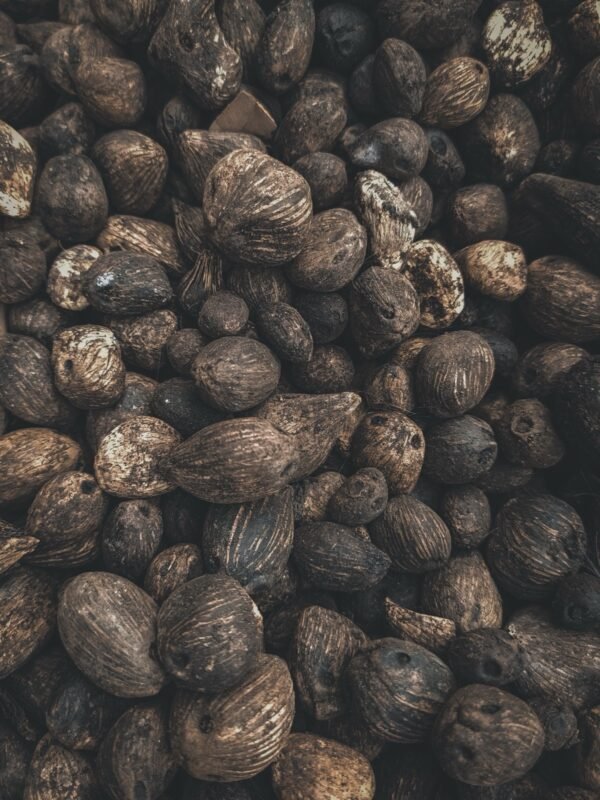
Betel nut — the areca nut, known locally as supari, chewed widely across Bangladesh often alongside betel leaf — is a completely different storage problem from the betel leaf covered in an earlier guide on this site. Where betel leaf is a fresh, fragile green product with a shelf life measured in days, the areca nut is typically processed through boiling, drying and sometimes fermentation before it ever reaches storage, and it is the quality of that processing, more than the cold storage itself, that determines whether the final product holds its value over the months it may sit in a trader’s stock.
Processing Happens Before Storage, Not Instead of It
Fresh areca nuts are typically boiled shortly after harvest — a step that helps preserve colour, reduces the tannin bitterness, and begins the process of hardening the kernel — before being dried, either in the sun or increasingly with mechanical dryers for more consistent results. Some regional processing traditions also include a fermentation step, where nuts are buried or held in controlled conditions for weeks to develop a specific colour and flavour profile prized in certain markets. None of this processing can be skipped or rushed by relying on cold storage afterward — a poorly boiled or unevenly dried batch will continue to develop mould and quality defects in storage regardless of how well the room itself is run, because the problem was set at the processing stage, not the storage stage.
Moisture Content Determines Storage Life More Than Temperature Does
Properly dried areca nuts are a relatively stable, low-moisture product, and the primary storage risk is not decay in the way fresh produce decays but rather mould growth if the nuts were not dried sufficiently or if they pick up ambient moisture during storage. This makes humidity control the dominant factor in an areca nut store, similar in principle to the dry fish storage covered elsewhere on this site — the goal is keeping the product dry and stable, not necessarily cold. A cool, dry, well-ventilated store at moderate temperature with humidity kept low is generally more valuable for areca nut than an expensive refrigerated room, and traders overinvesting in cooling capacity while underinvesting in dehumidification and ventilation are solving the wrong part of the problem.
Insect and Pest Risk Mirrors the Dry Fish Problem
Dried areca nut, like dried fish, is vulnerable to storage pests — various beetle and weevil species that can infest a stored batch and cause significant loss of saleable product over time, particularly in warm, humid storage conditions that let pest life cycles proceed quickly. Reducing storage temperature into a cooler range, even without reaching refrigeration levels, meaningfully slows insect reproduction and can be a legitimate part of an integrated approach to pest control, alongside proper sealing of storage containers or sacks and routine inspection of stock for early signs of infestation before it spreads through an entire batch.
Grading and Sorting Before Storage Protects Value
Areca nut is generally graded by size, colour and quality before sale, and mixing different grades together in undifferentiated storage makes it harder to sell at the price each grade individually commands, since a buyer inspecting a mixed lot will often price the whole lot at the level of its weakest visible grade rather than paying a blended average. Sorting and grading before storage, with different grades kept physically separate on clearly labelled pallets or in separate sections of a warehouse, protects the value of the better grades and makes eventual sale to different buyer segments — premium versus commodity-grade markets — considerably more straightforward than trying to sort a mixed lot after months of storage.
Storage Duration and the Trade-Off Traders Actually Face
Well-processed, well-dried areca nut can be held for extended periods compared with most agricultural products discussed elsewhere on this site, which is part of why it functions as a genuine store-of-value commodity in some trading circles, with traders holding stock through price cycles rather than selling immediately after processing. This extended shelf life is a real advantage, but it does not mean storage conditions stop mattering over a long hold period — humidity excursions, pest infestations, or contamination from adjacent stock can still occur at any point during a multi-month storage period, and periodic inspection of stock in long-term storage catches problems early rather than only discovering an issue when the stock is finally sold and the buyer rejects part of the lot.
- Boiling, drying and any fermentation step happen before storage and cannot be corrected afterward — get the processing right first.
- Humidity control matters more than temperature — properly dried areca nut needs to stay dry, not necessarily cold.
- Cooler storage temperatures slow insect pest reproduction even without full refrigeration.
- Grade and sort before storage, not after, to protect the value of higher-quality lots.
- Long storage periods are normal for this product, but still require periodic inspection, not a one-time check at the start.
Regional Variation in Processing Makes Generic Advice Risky
Areca nut processing traditions vary meaningfully across South and Southeast Asia — some traditions favour a shorter boil and lighter drying for a lighter-coloured product, others favour extended fermentation for a darker, more strongly flavoured result, and the target market largely dictates which approach a processor should follow. A trader sourcing or processing areca nut for a specific buyer should confirm which processing tradition and resulting product specification that buyer actually wants before committing a batch to a particular boiling and drying regime, since correcting a mismatch after the nuts are already processed and dried is not generally possible — unlike many agricultural products where a grading adjustment can compensate for a processing choice, areca nut processing decisions are largely irreversible once complete.
Storage Containers Matter More Than Traders Often Assume
Dried areca nut is commonly stored in jute sacks, which allow some airflow but offer little protection against moisture spikes during Bangladesh’s humid monsoon months, when ambient humidity in an ordinary warehouse can climb high enough to slowly re-hydrate the outer layer of an otherwise well-dried batch. Traders holding stock through a full monsoon season should consider sealed containers with a desiccant, or at minimum, more frequent inspection during the wettest months, since the risk profile of a stored batch is not constant across the year — the same storage setup that performs adequately in the dry season can quietly fail during peak monsoon humidity if nobody adjusts the monitoring routine to match the seasonal risk.
None of this needs to be complicated to implement — a moisture-proof tarpaulin over sacks during the wettest weeks, or simply moving stock to the driest part of the warehouse during monsoon, closes most of the seasonal gap without any capital investment in new storage infrastructure.
Traders who have been through at least one full monsoon cycle with stored stock tend to build this seasonal check into their routine without needing to be told twice, since the alternative is discovering the loss only when a buyer opens a sack and rejects the batch.
DE International sources drying, dehumidification and warehouse racking equipment from China for Bangladeshi traders handling dried agricultural commodities including areca nut. If you are setting up or upgrading storage for a dried commodity trade, see our sourcing and shipping services. For related reading, see our guides on dry fish (shutki) storage and dehumidification and cold chain for betel leaf export. Reach us through our contact page or browse the shop.
