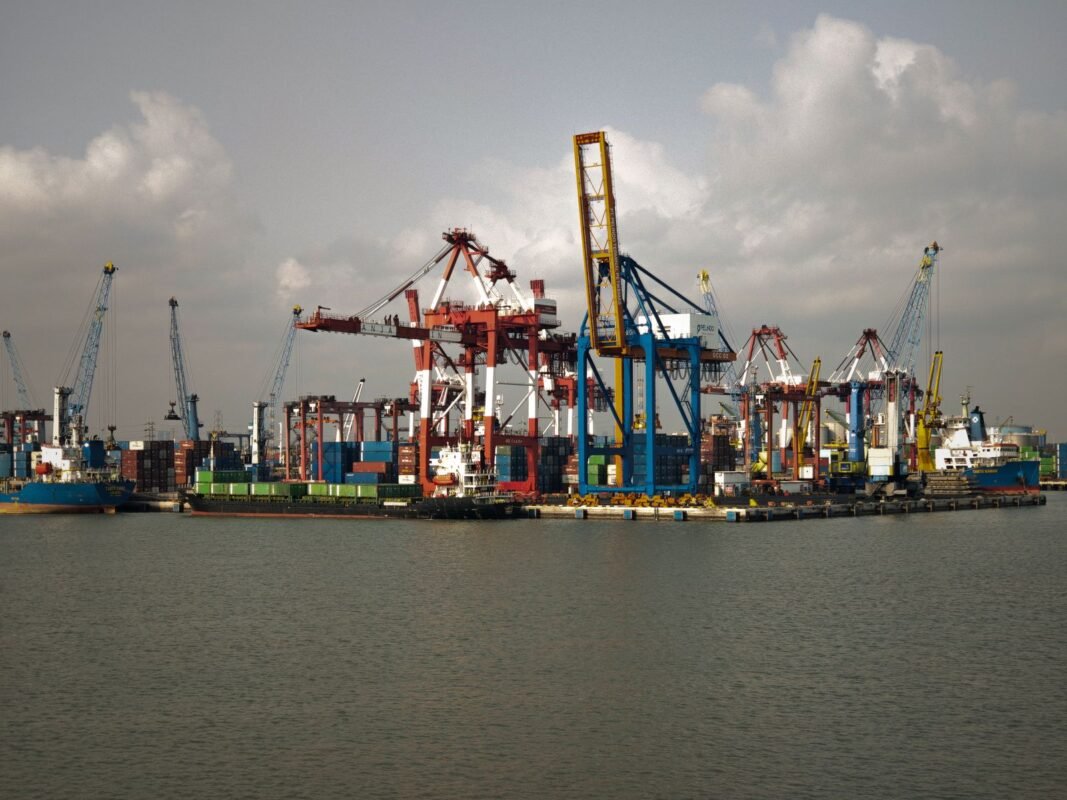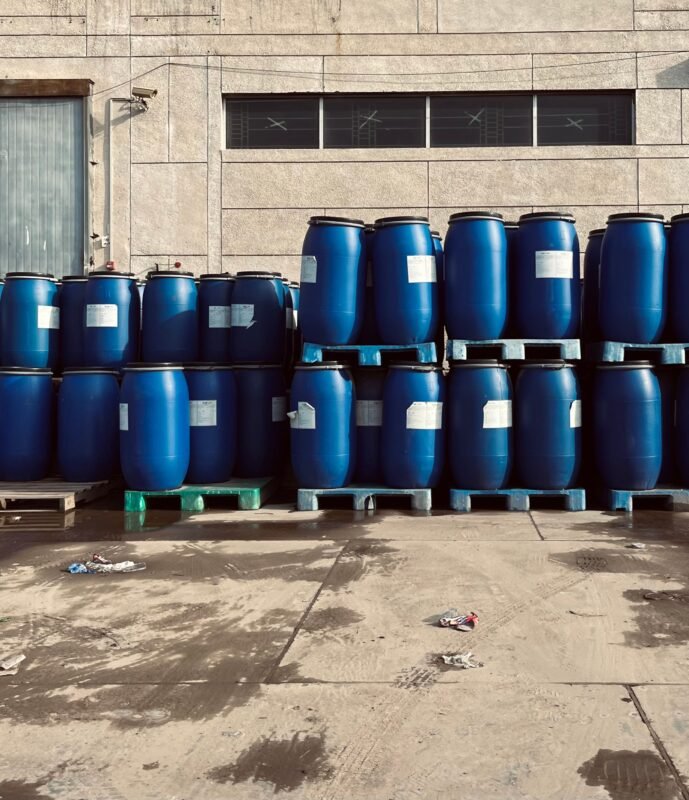
LED panels are light but fail in ways a visual inspection will not catch, and power specifications are easy to get wrong on an export order. Here is what door-to-door shipping needs to manage for this category.
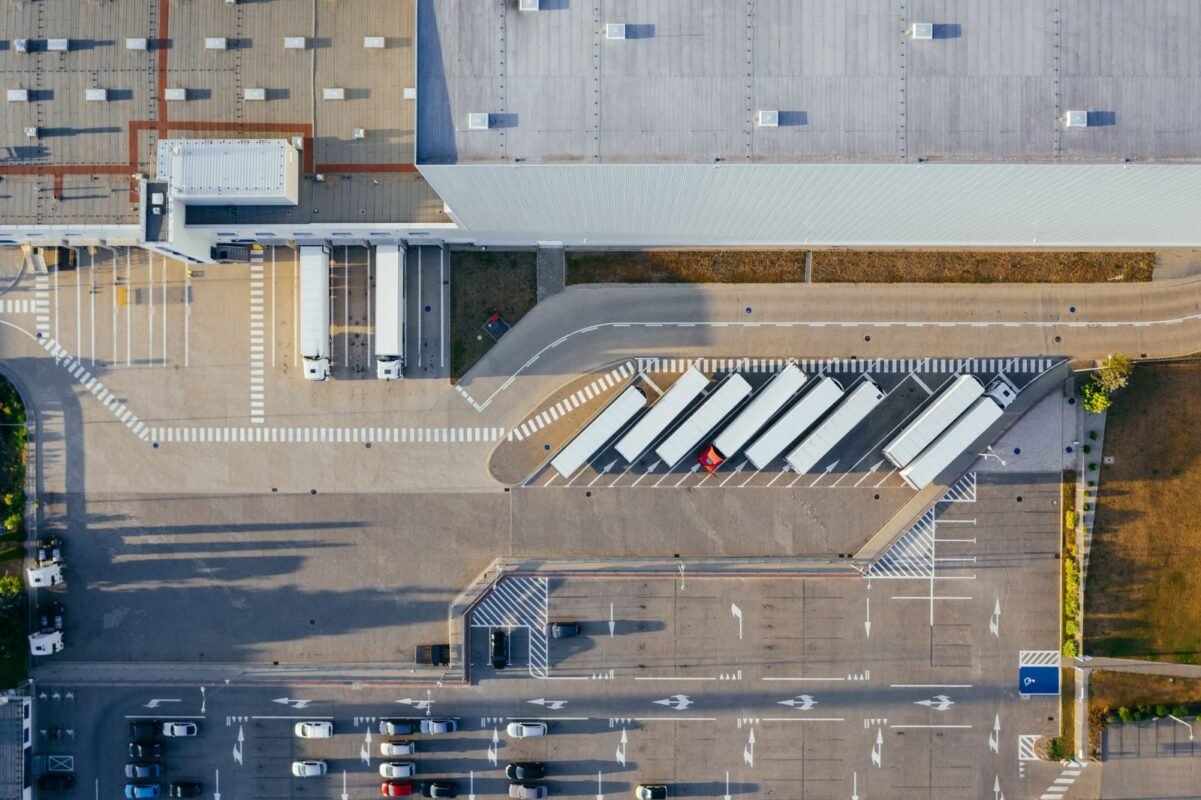
Racking and bin numbering organize what happens inside a zone. Layout planning decides where the zones sit and how far a pallet travels between them, and it is the layer most import warehouses skip.
A rejected Bill of Entry never reaches an assessing officer at all. Here is what triggers automatic validation failure in ASYCUDA World, from IRC mismatches to bond ledger errors, and how to avoid losing a day to each one.
Bangladesh Customs cannot simply pick a number when it rejects your invoice value. Here is the WTO six-method hierarchy it must work through in order, and what each method actually requires.
Two importers on the same trade lane can face very different detention risk depending on whether the shipping line or their own forwarder arranged inland trucking. Here is the difference and why it matters.
PCS moves on carrier discretion, not a published index like BAF or CAF. Here is what triggers it, who pays it, and why it can outlast the congestion that caused it.
A passing PTI sticker means the reefer machine is sound, not that your cargo will hold temperature. Here is what the inspection tests, what the fault codes mean, and why you should ask for the report.
Unmanaged pallet flow drifts into either wasted floor space from accumulation or the cost of constantly buying new pallets. Here is the difference between exchange and pooling, and what most small warehouses actually need.
The most common segregation failure is not a dramatic spill but slow odour contamination of food from nearby chemicals. Here is what real physical separation actually requires.
Used electronics policy in Bangladesh shifts more often than most import categories, and a previous successful shipment is not proof the same rules apply today. Here is what to actually check.