
14
Aug
Aug
Cosmetics and personal care shipments carry regulatory and handling requirements that generic cargo does not. Here is what actually changes when you import them door-to-door from China.

Cosmetics and personal care shipments carry regulatory and handling requirements that generic cargo does not. Here is what actually changes when you import them door-to-door from China.
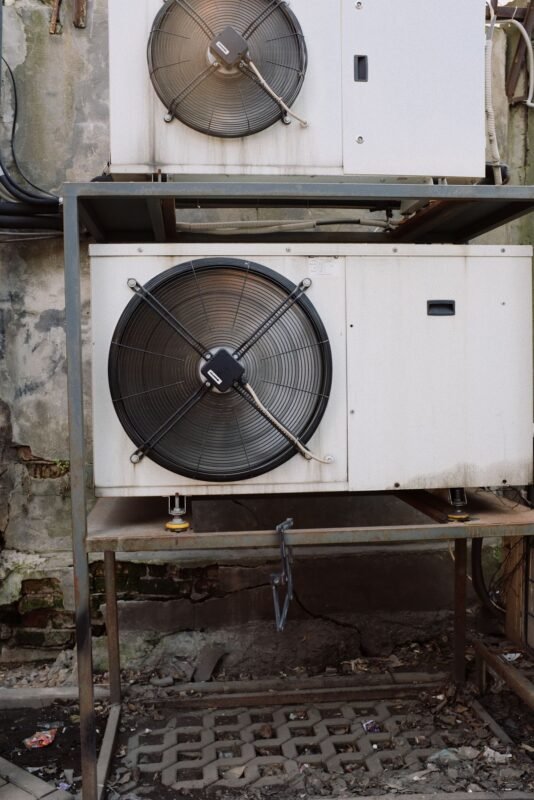
Where you put the condensing unit affects cooling efficiency, maintenance access, and equipment lifespan just as much as the compressor you choose. Here is how to think through the decision.

Some cargo simply will not fit in a standard container. Here is how break bulk shipping works, when it becomes necessary, and what changes about the logistics and customs process.

Two different documents, two different parties responsible, two different sets of rights. Here is what actually separates a House Airway Bill from a Master Airway Bill.

A Certificate of Origin is not paperwork for paperwork’s sake. Here is what it actually proves, who issues it in China, and what happens when it is missing or wrong.

Not every container clears at the seaport. Here is how the Kamalapur Inland Container Depot fits into the journey from Chattogram to Dhaka, and what changes for importers who use it.

VAT on an import is not a flat percentage of your invoice. Here is the actual stacking order of assessable value, duty, and advance tax that determines what you pay at the port.

A shipment that cleared cleanly months ago can still be reopened for review. Here is how post-clearance audits actually work, what triggers one, and how to prepare.

Goods moving into an EPZ factory follow a different customs logic than a normal commercial import. Here is how bonded treatment, BEPZA oversight and DTA sales actually work.

Clearing a shipment is not the end of your paperwork obligation. Here is what documents importers in Bangladesh actually need to keep, and why the filing cabinet matters as much as the port.