
Import & Export Guides
Paddy Dryer Machine Price in Bangladesh: Choosing a Dryer for a Rice Mill or Farmer Group
Oct
A rice mill or farmer group in Bangladesh usually chooses between a batch recirculating paddy dryer, which is the common choice for mills, and a simpler flat-bed dryer, which suits farmer groups and smaller service providers; both are often fired with rice husk. The paddy dryer machine price in Bangladesh depends on capacity per batch, dryer type, heat source and furnace design, automation and freight. DE International sources paddy dryers from Chinese manufacturers and delivers them to your site, with a quote matched to the tonnage you handle each season.
Why paddy drying matters in Bangladesh
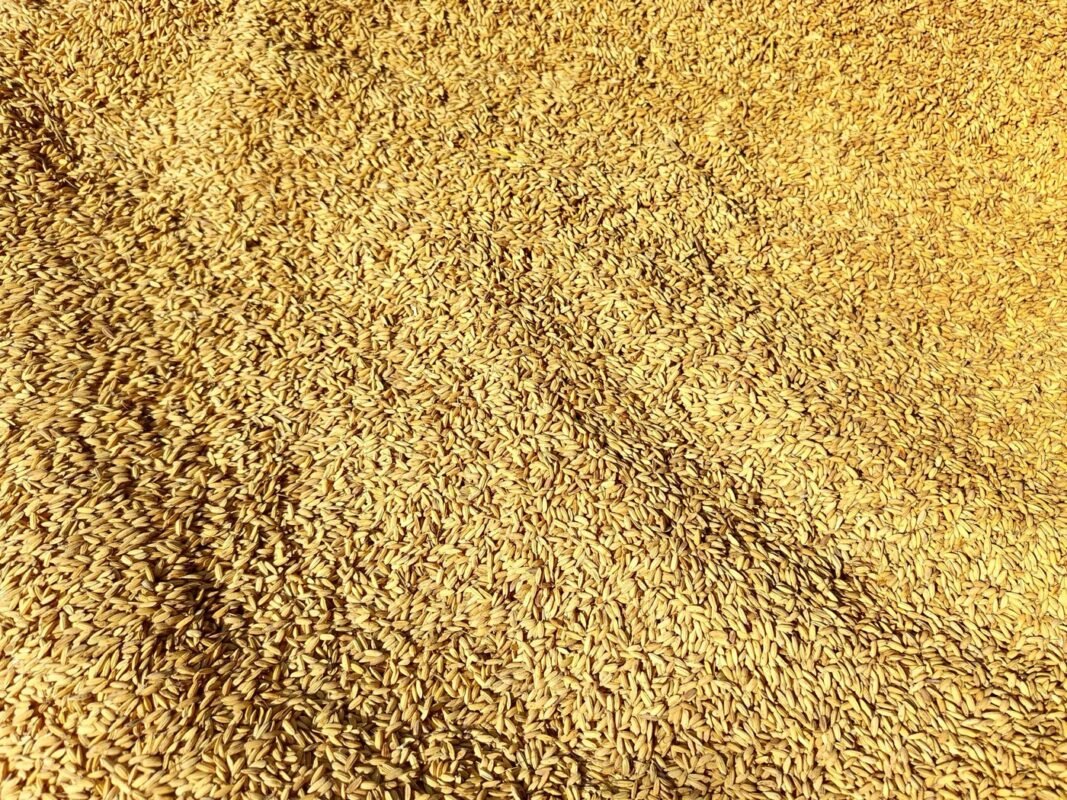
Most rice mills in Bangladesh still sun-dry paddy on a chatal, the large brick or concrete drying yard beside the mill. It works when the sun is reliable, but two of the main harvests do not cooperate. Boro is harvested in April and May when nor’westers and early rain arrive, and Aman can meet late rain in November. Wet paddy that waits even a few days starts to heat, discolour and sprout, and that damage cannot be reversed.
Drying also affects milling yield. Paddy dried too fast, or dried unevenly and then exposed to moist air, develops fine cracks inside the grain. Those cracked grains break in the huller and polisher, so the mill sells more broken rice and less head rice. A mechanical dryer that dries gently and evenly, with tempering in between, protects head rice yield as well as saving the crop from rain.
Types of paddy dryers
| Dryer type | How it works | Suits |
|---|---|---|
| Batch recirculating dryer | A tall bin; paddy is lifted by bucket elevator and recirculated through a hot air drying section and a tempering section until it reaches target moisture | Rice mills and contract dryers handling large daily volumes |
| Flat-bed dryer | Paddy spread in a bed over a perforated floor; a fan pushes heated air up through it | Farmer groups, cooperatives, small mills; simple to run and maintain |
| Continuous column or tower dryer | Paddy flows down continuously through drying and cooling columns | Large integrated mills and grain processors |
| Mobile or small batch dryer | Compact unit, sometimes on wheels | Service providers moving between villages |
Recirculating dryers dominate in Chinese and East Asian rice mills because recirculation alternates short heating with resting (tempering), letting moisture inside the grain move to the surface before the next pass. That gentler drying is what protects grain from cracking.
Heat source: rice husk, diesel, gas or electric
Most Bangladeshi mills already have a lot of rice husk, so a husk-fired furnace is the natural choice. The design of that furnace matters:
- Indirect heating uses a heat exchanger, so smoke never touches the grain. It costs more but avoids smoky smell and discolouration, which buyers notice.
- Direct heating mixes clean combustion gas with air. It is cheaper and efficient but depends on complete combustion; poor combustion contaminates the paddy.
- Diesel or gas burners give precise temperature control and are easy to start, but fuel cost per tonne dried is higher than husk.
- Biomass alternatives such as wood chips can be used in some furnaces; confirm with the supplier.
Ask whether the furnace feeds husk automatically, how ash is removed, and whether the dryer has automatic temperature control linked to the burner. Manual furnaces need a skilled operator on every shift.
What decides the paddy dryer machine price in Bangladesh
| Cost factor | What to ask the supplier |
|---|---|
| Batch capacity | Tonnes of wet paddy per batch, and the moisture reduction assumed |
| Dryer type | Recirculating, flat-bed or continuous |
| Furnace and heat exchanger | Husk-fired direct or indirect, or diesel and gas burner |
| Elevators, conveyors and cleaners | Included or extra; a pre-cleaner removes straw and dust |
| Controls | Online moisture meter, automatic stop at target moisture, temperature control |
| Civil work and installation | Foundation, shed height, electrical connection, erection by supplier technicians |
| Freight and duty | Large steel sections ship in containers; confirm HS code and duty with a C&F agent |
A recirculating dryer is tall, so shed height and foundation are part of the real project cost. Ask us for a quote built around your daily tonnage, available space and heat source, and we will separate machine, freight and installation costs so you can compare honestly.
A worked example of planning dryer capacity
Instead of guessing, plan from your peak. Note how many tonnes of wet paddy arrive on your busiest Boro days, the moisture it arrives at (measure with a grain moisture meter, not by hand), and the moisture you need for safe storage and milling. The supplier can then tell you how long one batch takes for that reduction, how many batches fit in a day, and therefore how many dryers you need. A mill that buys for its average day will still be sun-drying on a chatal during the rain, which is exactly when the dryer was meant to help.
After drying: cooling, storage and the moisture meter
Paddy leaving a dryer is warm. If it goes straight into a closed heap or jute sacks, the warm grain and the cooler air around it create condensation, and moisture moves back into the top layer. Good practice is to let dried paddy cool, either in the dryer with the burner off and the fan running, or in a ventilated bin, before bagging or moving to a silo.
The grain moisture meter is the cheapest and most important tool in the whole system. Operators who judge dryness by biting a grain or listening to it in the hand are often wrong by enough to matter. Many recirculating dryers include an online moisture sensor that stops the burner automatically at the target; even then, check samples with a separate handheld meter and calibrate it regularly against a reference. Keep a simple log of incoming moisture, final moisture, batch time and fuel used for each batch. After one season, that record tells you your real drying cost per tonne and whether the operator is running the dryer as recommended.
Storage is the last step. Dried paddy stored in a damp godown picks up moisture again during monsoon. Raised pallets, a ventilated store and regular checks protect what the dryer achieved. Many mills also hold seed or premium aromatic rice such as Kalijira or Chinigura, where losses are expensive, and these benefit most from controlled drying and dry storage.
Common mistakes with a first paddy dryer
- Drying too fast to save time. High air temperature raises output but increases cracking and broken rice. Follow the supplier’s recommended settings for paddy.
- Skipping pre-cleaning. Straw and dust block air flow and create fire risk near the furnace.
- Ignoring the moisture meter. Over-drying wastes fuel and loses weight you could have sold; under-drying causes mould in storage.
- Forgetting the rest of the mill. A dryer feeds the huller, polisher and grader. See our guide to rice mill machines in Bangladesh for the full line.
FAQ
Which paddy dryer is best for a small rice mill in Bangladesh?
A batch recirculating dryer with a husk-fired furnace is the usual choice for mills. Farmer groups often start with a flat-bed dryer because it is simpler and cheaper.
Can a paddy dryer run on rice husk?
Yes. Most dryers sold to rice mills offer husk-fired furnaces. Indirect heating keeps smoke away from the grain.
Does a paddy dryer improve rice milling yield?
Gentle, even drying with tempering reduces cracked grains, which means fewer broken grains in milling compared with uneven or rushed drying.
Who supplies paddy dryers from China in Bangladesh?
DE International sources paddy dryers from Chinese manufacturers and delivers them to your mill. WhatsApp +880 1750-859967 with your daily tonnage.
Get a quote from DE International
DE International sources machinery and products from Chinese factories, checks them before shipping and delivers door-to-door to Dhaka, Chattogram and anywhere in Bangladesh. Share your peak daily tonnage and heat source and we will quote a dryer. See our services, our China sourcing agent service and the shop, or contact us — WhatsApp +880 1750-859967. For shipping cost questions, our cargo team at decl.bd can quote air or sea freight.
