
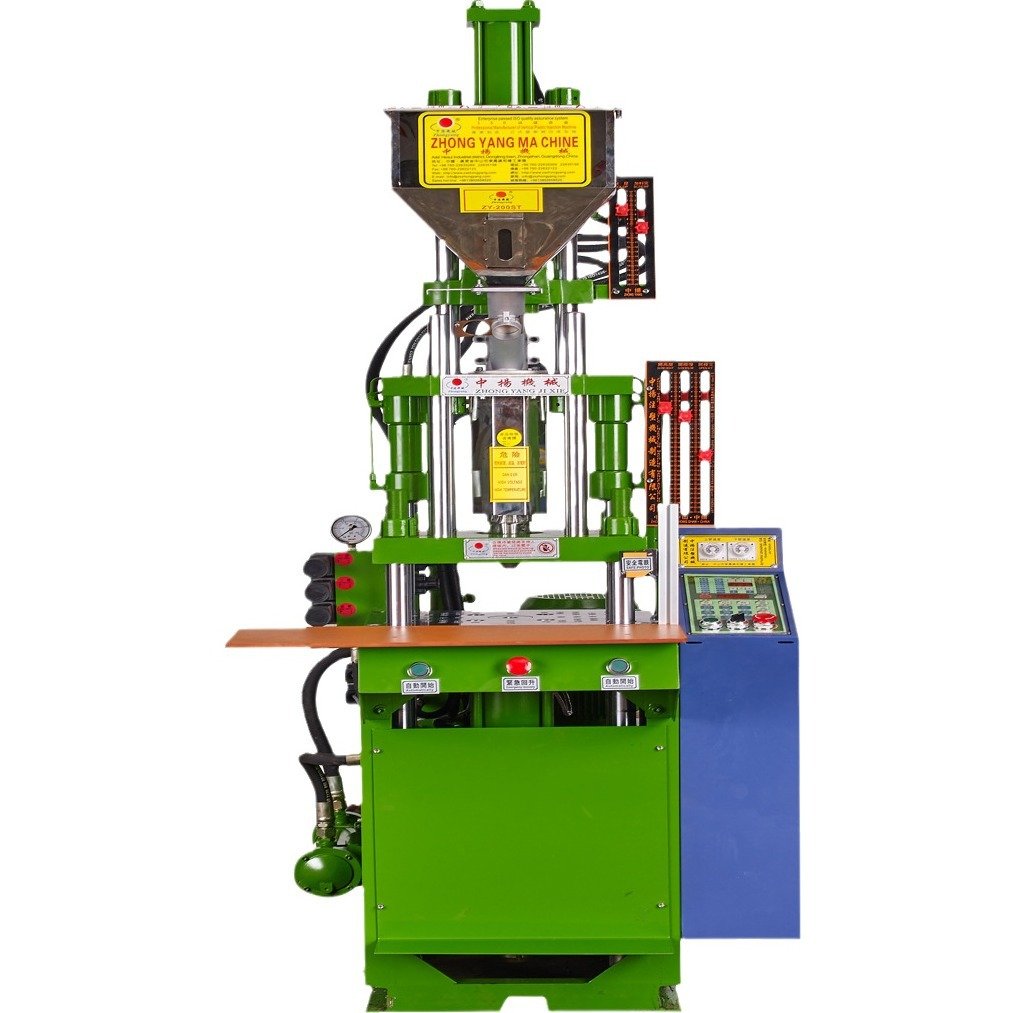
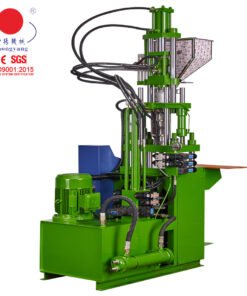
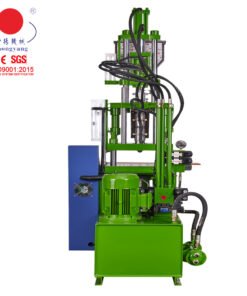
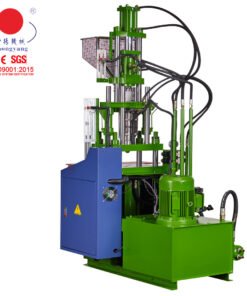
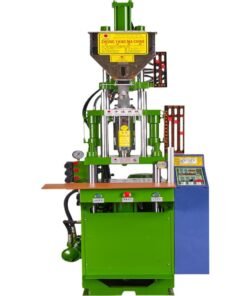
Professional Vertical Injection Molding Machine Manufacturer in China

Import this from China to Bangladesh — sourcing, freight & customs handled, no trade license needed. Send your inquiry below and we will reply with an all-in price.
Inquiry for: Professional Vertical Injection Molding Machine Manufacturer in China
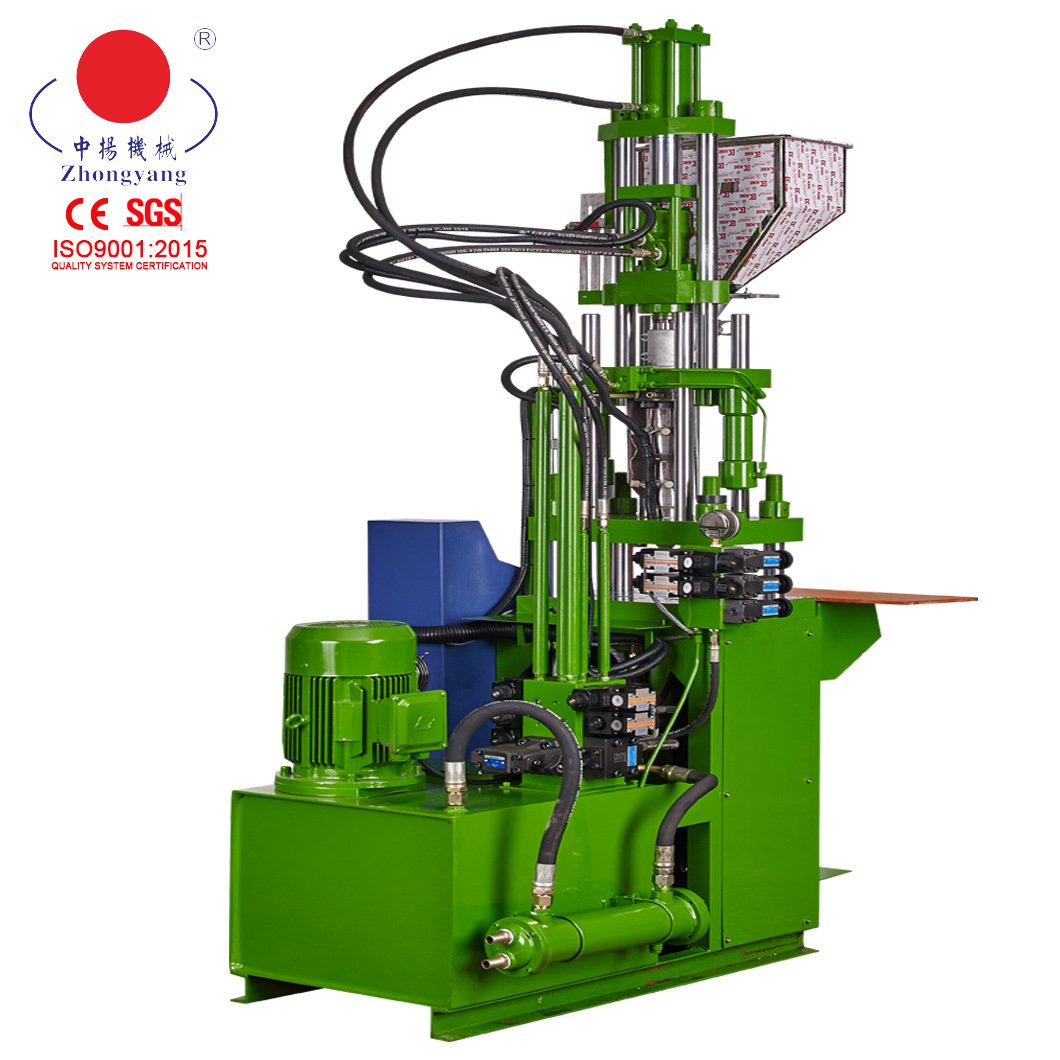
A vertical injection molding machine is the standard choice for producing plastic components with metal inserts, small precision parts, or products that need a smaller footprint than a horizontal machine allows. DE International sources vertical injection molding machines directly from manufacturers in Zhongshan and the wider Pearl River Delta — one of China’s largest plastics-machinery manufacturing clusters — and imports them to Bangladesh with sourcing, verification and freight handled end to end.
Overview
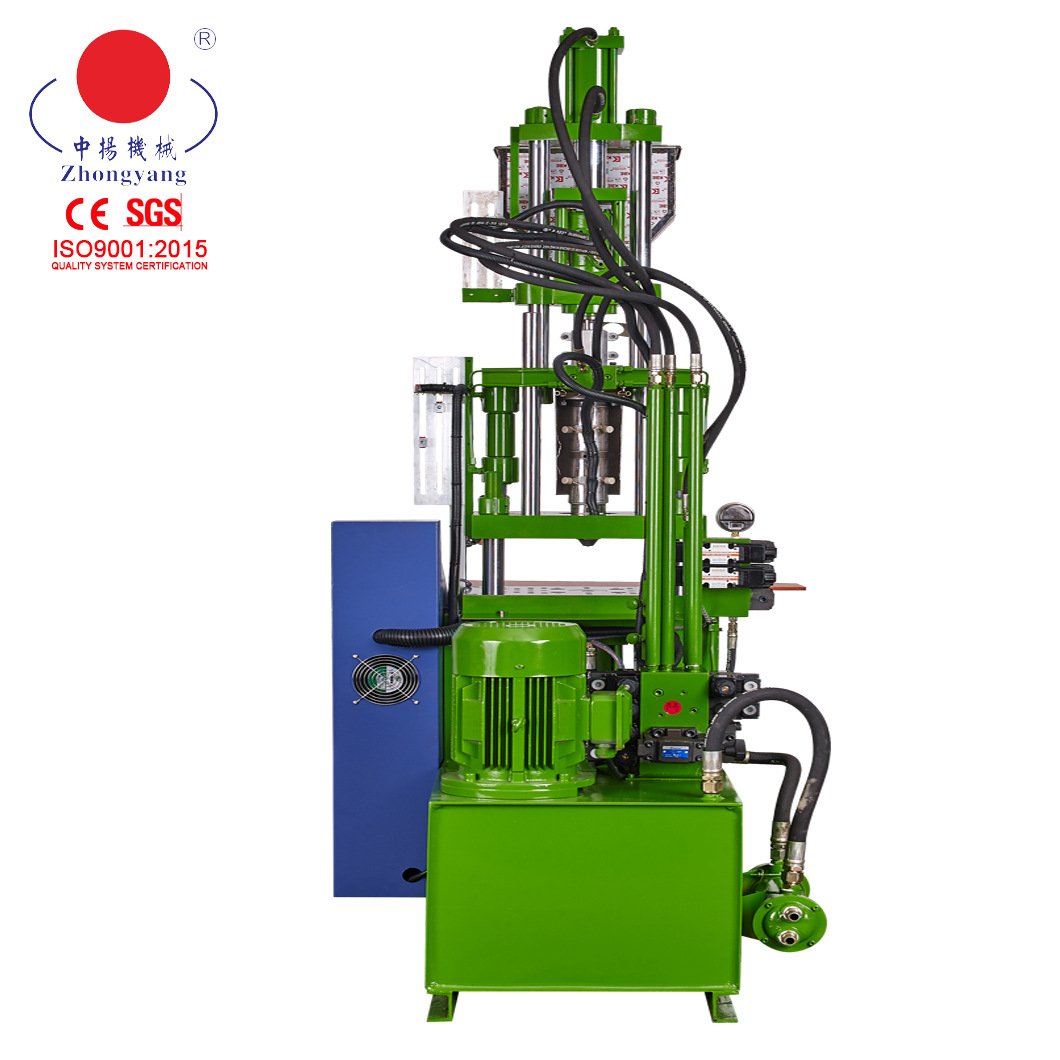
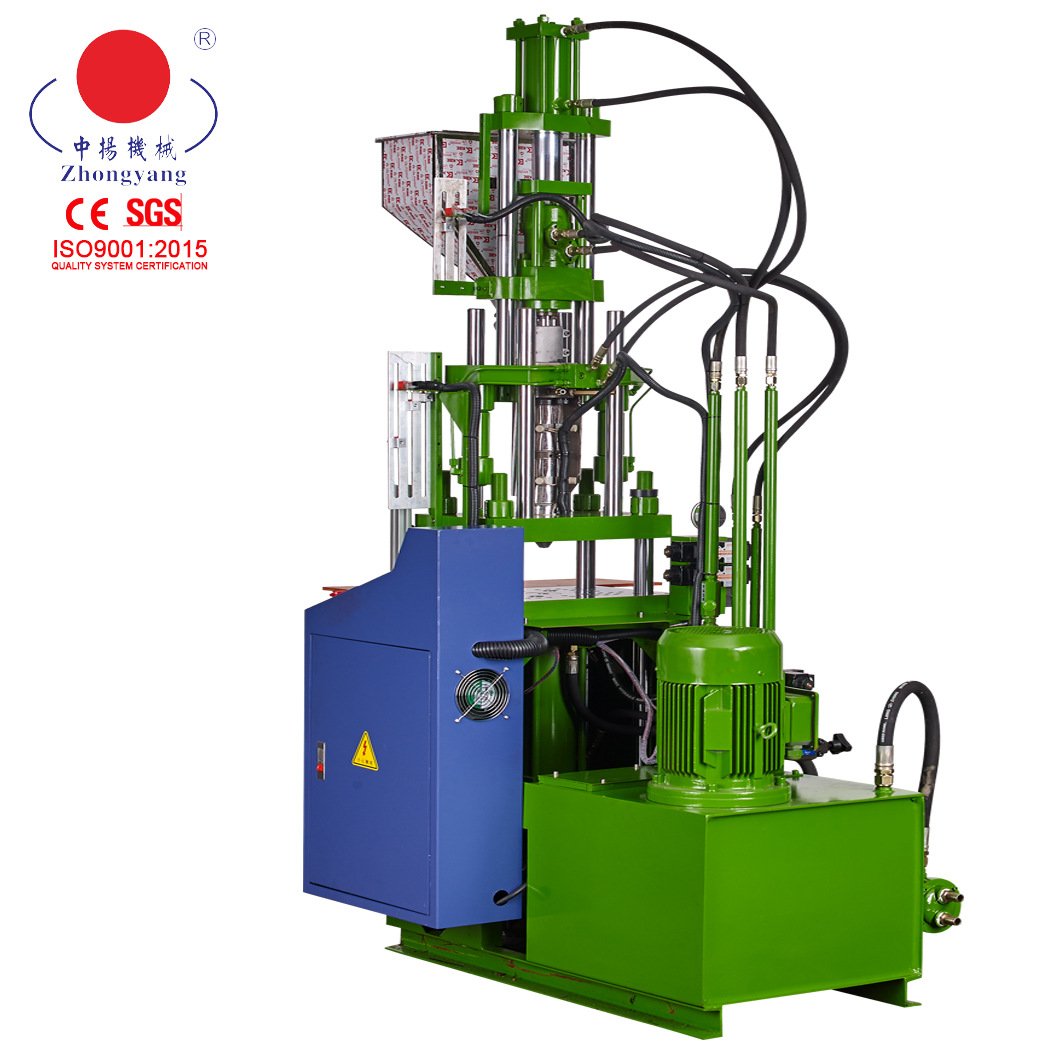
Unlike a horizontal injection molding machine, a vertical machine clamps the mold in a vertical orientation, with the injection unit either vertical or offset. This makes it the preferred configuration for over-molding onto metal inserts (connectors, threaded parts, terminals), for small and medium parts where floor space is limited, and for factories running multiple machines side by side where a compact footprint matters. Vertical machines are widely used by manufacturers producing electrical components, connectors, small housings, and insert-molded plastic parts.
Applications
- Insert molding — plastic molded directly onto metal terminals, threaded inserts, or connector pins
- Small precision plastic components for electronics and electrical accessories
- Two-color or two-material molding on some configurations
- Low-to-medium volume production runs where a compact machine footprint is an advantage
- R&D and prototype tooling runs before committing to full production
Industries That Use Vertical Injection Molding Machines
- Electrical & electronics — connectors, switches, plugs, terminal blocks
- Consumer goods manufacturing — small plastic housings and components
- Automotive parts — small insert-molded components
- General plastics manufacturing — any Bangladeshi factory adding in-house molding capability instead of outsourcing
What to Confirm Before You Order
Injection molding machines are specified by clamping force, screw diameter, shot size, and mold-plate dimensions — and the right numbers depend entirely on the parts you intend to produce. Rather than quote generic figures that may not match your actual production need, we work with you to confirm the specification against your part design before sourcing the machine. Have these ready when you request a quote:
| Specification | Why it matters |
|---|---|
| Clamping force (tonnage) | Must match your mold size and the projected area of your part — undersized tonnage causes flash and mold damage |
| Screw diameter / shot size | Determines the maximum part volume the machine can fill in one shot |
| Mold plate dimensions | Your mold must physically fit the machine’s platens |
| Insert-loading method | Manual or automated insert placement changes cycle time and labor needs |
| Power supply | Confirm voltage/phase compatibility with your factory’s electrical supply in Bangladesh |
Features & Benefits
- Compact footprint — fits more machines into the same factory floor space than an equivalent horizontal press
- Easier insert loading — the vertical clamp orientation makes manual or semi-automated insert placement more ergonomic
- Lower tooling cost for small parts — simpler mold designs for small insert-molded components
- Suited to multi-machine operation — one operator can often tend several vertical machines running similar cycles

Buying Considerations for Bangladeshi Manufacturers
- Match tonnage to your real part range, not your biggest hypothetical part. Oversized machines cost more to buy and run; undersized machines can’t produce your parts safely.
- Confirm after-sales support. Ask what spare parts (screws, barrels, control boards) are available and how they would reach Bangladesh if needed.
- Factor in mold cost separately. The machine and the mold are typically sourced and priced independently — budget for both.
- Verify the manufacturer, not just the seller. Injection molding machines are complex mechanically; buying from a trading company instead of the actual factory increases the risk of getting an outdated or poorly maintained unit.
- Inspect before shipment. A functional test run — not just a visual check — is essential for machinery this complex.
These last two points are exactly what our factory verification and pre-shipment inspection services are built for — especially important on capital equipment like this, where a defect discovered after arrival is expensive to fix.
How DE International Sources This Machine
We work with manufacturers in Zhongshan and the Pearl River Delta, negotiate the specification against your part design, verify the factory in person, and arrange a functional inspection before the machine ships. Freight, customs and delivery to your facility in Bangladesh are handled as part of our full import support service — including a door-to-door option with no trade license required.
Related Machinery
- Browse all industrial machinery
- Packaging machines — for downstream packaging of molded parts
Related Services
Related Reading
- How to Find a Reliable Supplier in China
- AQL Explained: How Many Defects Are Acceptable?
- Complete Guide to Importing from China to Bangladesh
Frequently Asked Questions
What is the difference between a vertical and horizontal injection molding machine?
A vertical machine clamps the mold vertically, giving it a smaller floor footprint and making insert loading more ergonomic. It’s the standard choice for insert molding and small parts. A horizontal machine is typically used for larger parts and higher-volume production.
Can you source a machine to match my specific mold?
Yes. We confirm clamping tonnage, shot size and platen dimensions against your mold before sourcing, so the machine you receive actually fits your production need.
Do you inspect the machine before it ships?
Yes. Our quality inspection service runs a functional test on machinery like this before shipment, not just a visual check, since problems are far cheaper to fix in the factory than after arrival.
Can I import this without a trade license?
Yes — through our door-to-door import service we can clear the shipment under our own documents and deliver to your facility.
How long does sourcing and delivery take?
It depends on whether the machine is in stock or built to your specification. We’ll give you a firm timeline once your requirement is confirmed — request a quote to get started.
| specification |
|---|
Be the first to review “Professional Vertical Injection Molding Machine Manufacturer in China”
Related products
Industrial Machine
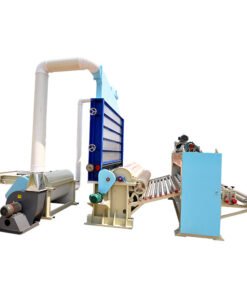
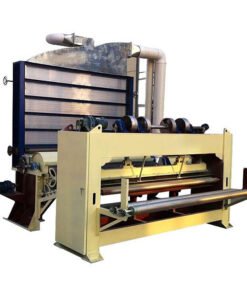
High-Density Needle Punching Machine for Quilt Thread & Non-Woven Felt
Industrial Machine

Industrial Machine
Industrial Machine
Industrial Machine

Food Processing Machineries
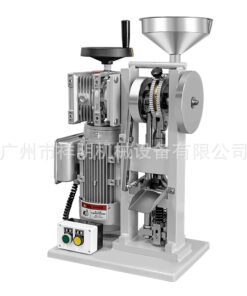
DNP-5T Milk Powder & TCM Powder Single Punch Tablet Press Machine
Industrial Machine
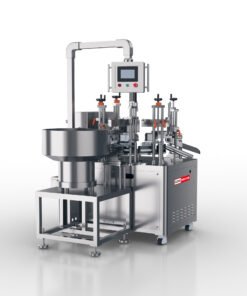
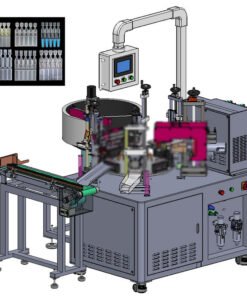
Automatic 5-Head Hose Filling & Ultrasonic Tail-Sealing Machine
Reviews
There are no reviews yet.