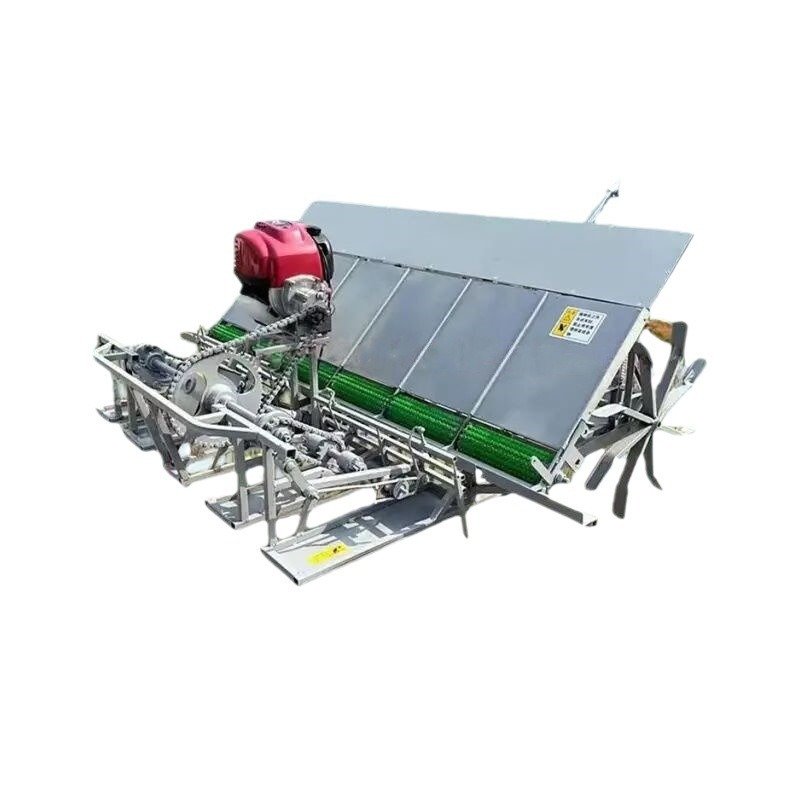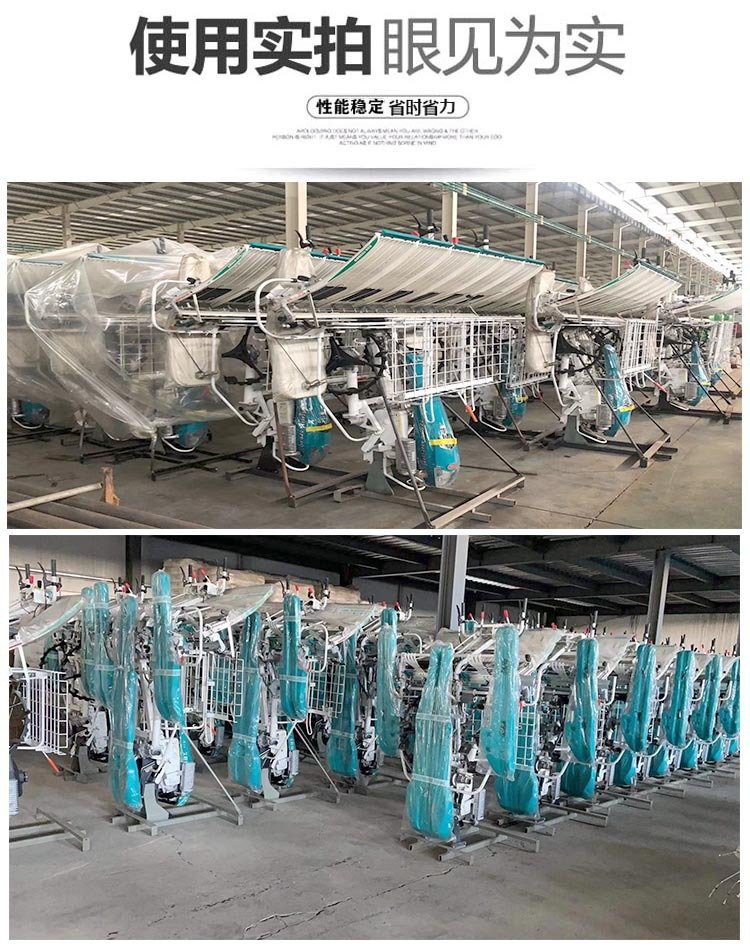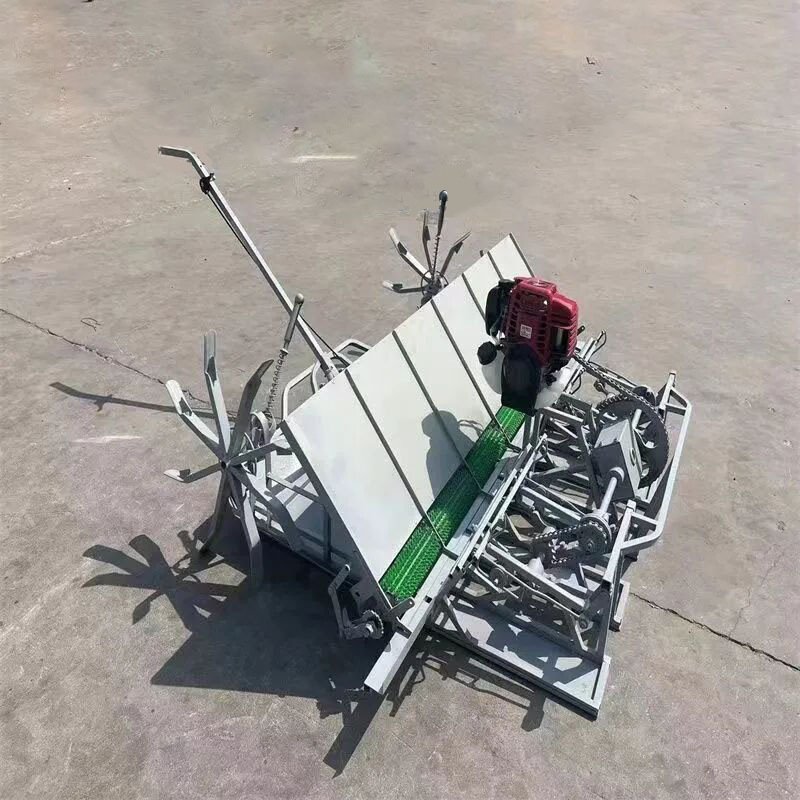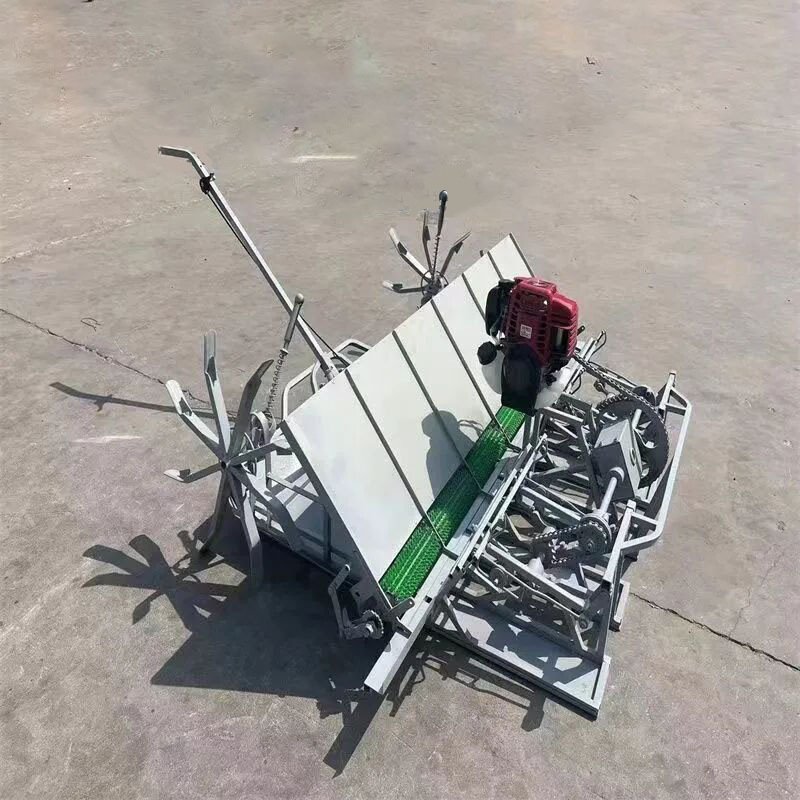
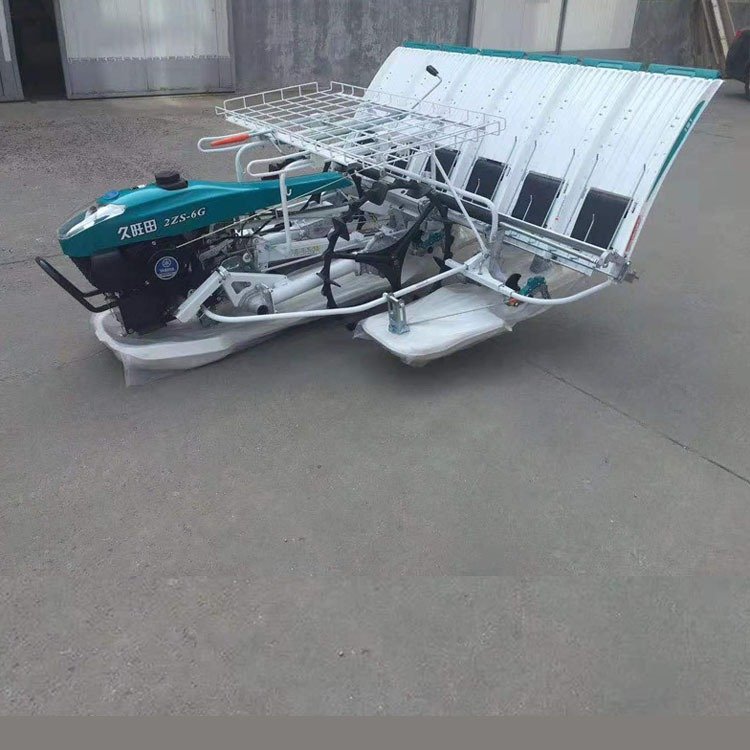
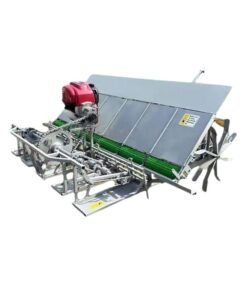
Rice is Bangladesh’s dominant crop, and manual transplanting is still how the vast majority of paddy fields are planted — slow, labor-intensive, and increasingly difficult as agricultural labor becomes scarcer and more expensive during peak season. A ride-on rice transplanter mechanizes this single biggest bottleneck in rice production, planting seedlings in precise rows at a fraction of the time and labor cost of manual planting. DE International sources ride-on rice transplanters directly from Chinese manufacturers and imports them to Bangladesh with sourcing, verification and freight handled end to end.
What This Machine Is
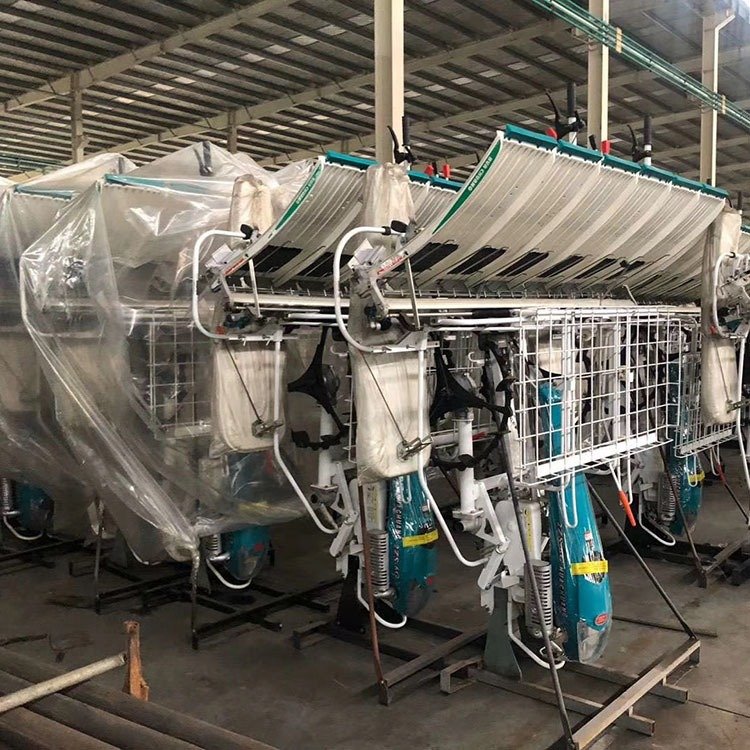
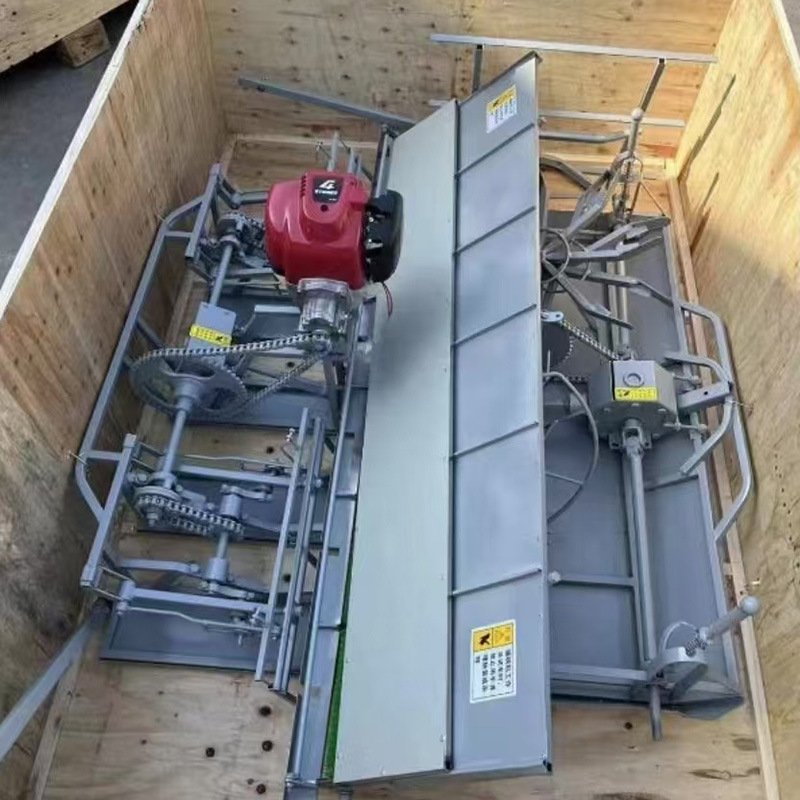
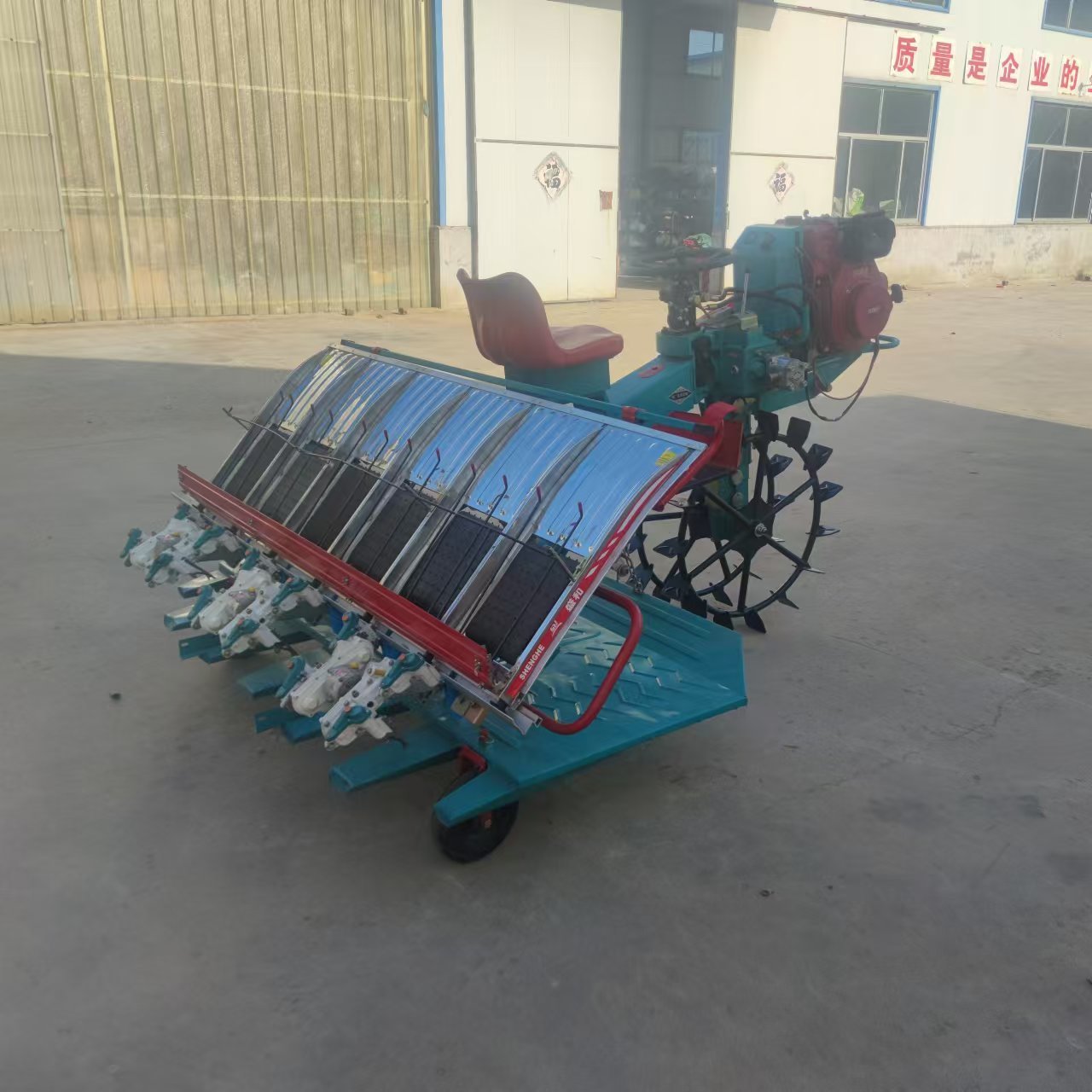
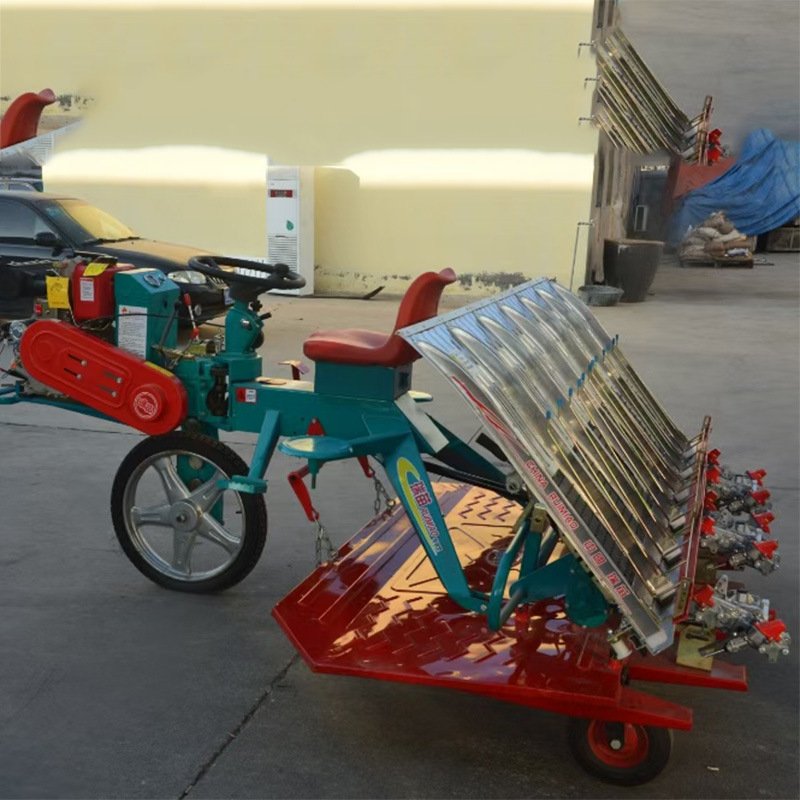
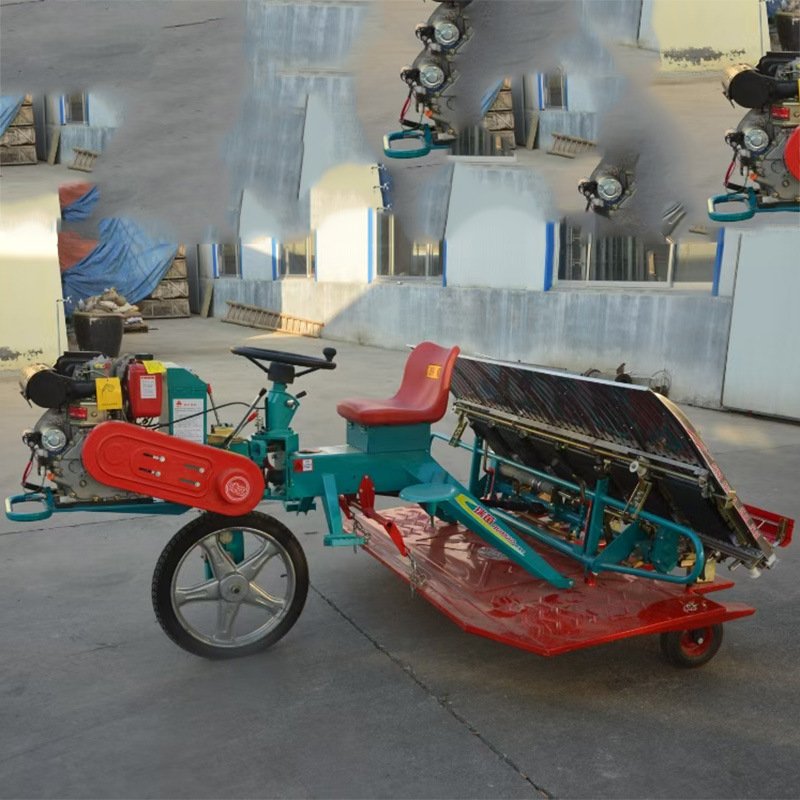
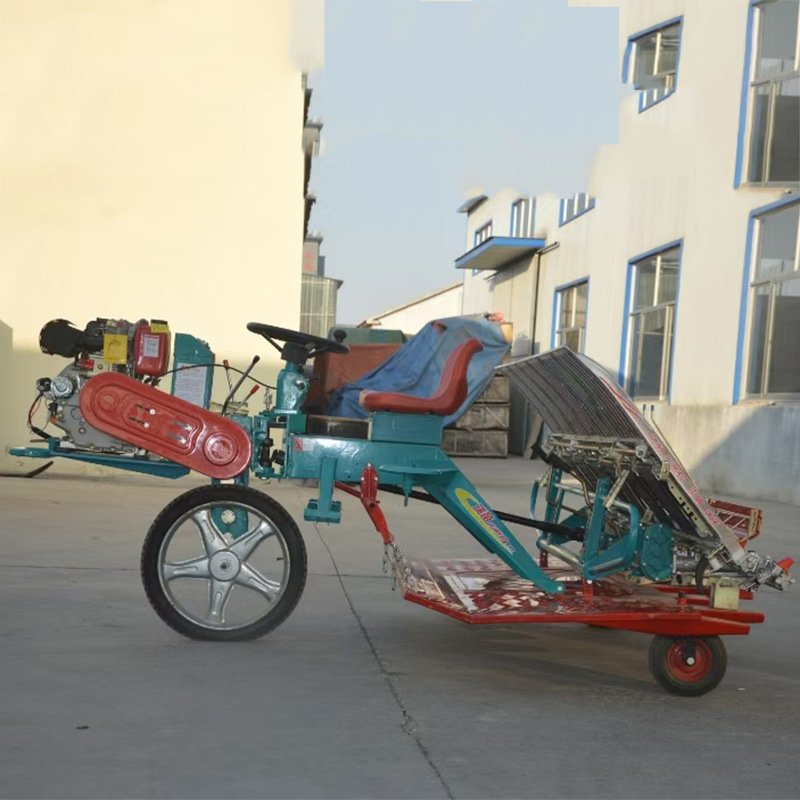
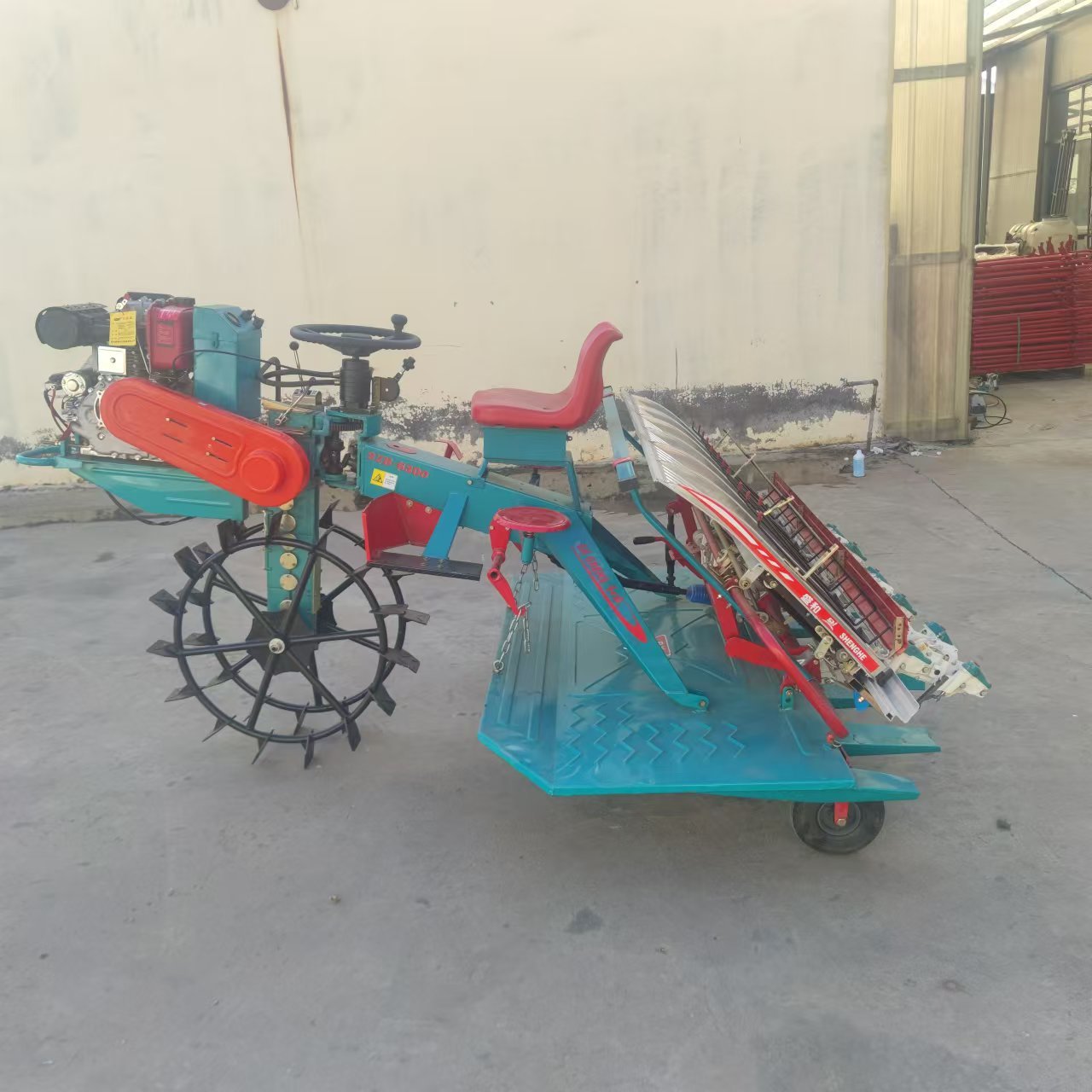
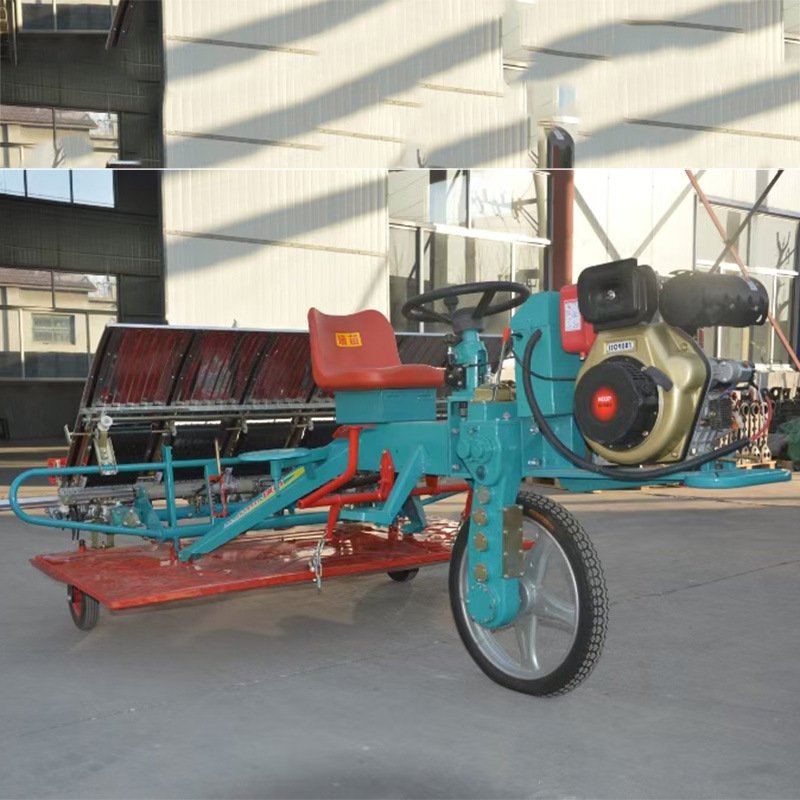
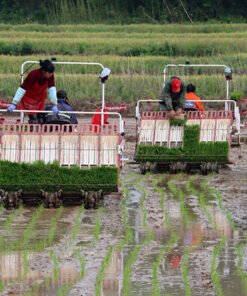
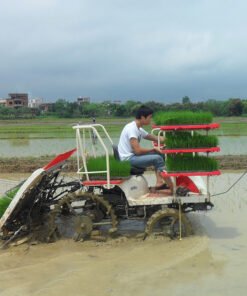
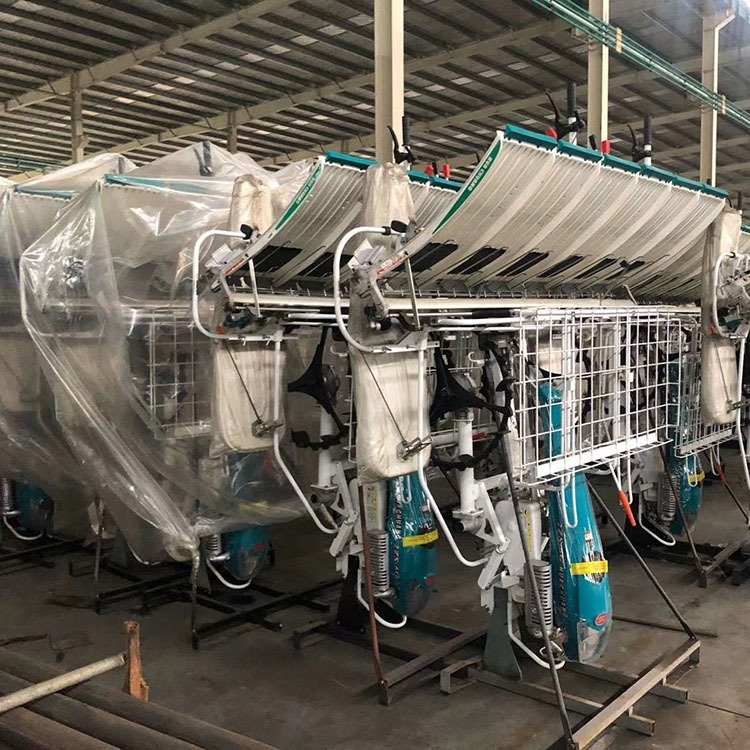
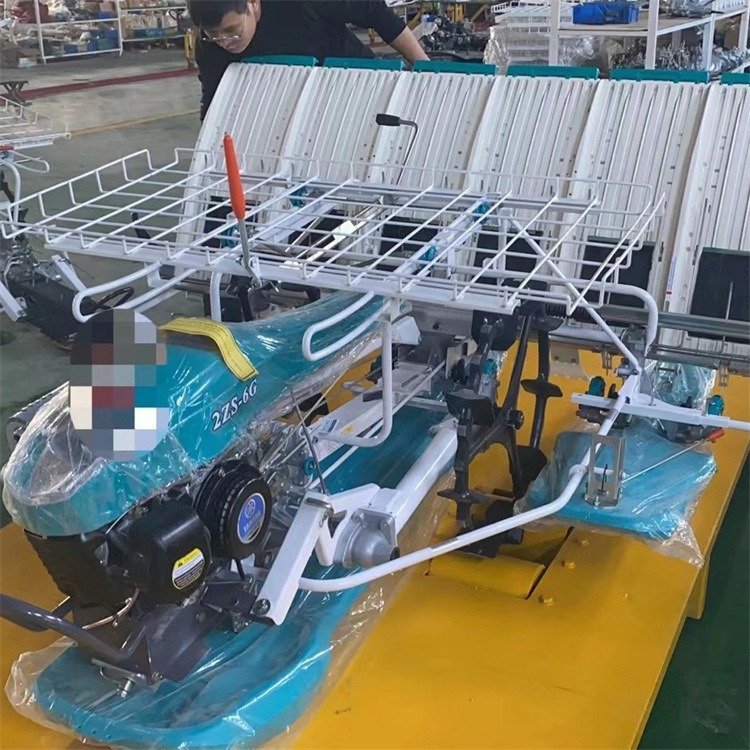
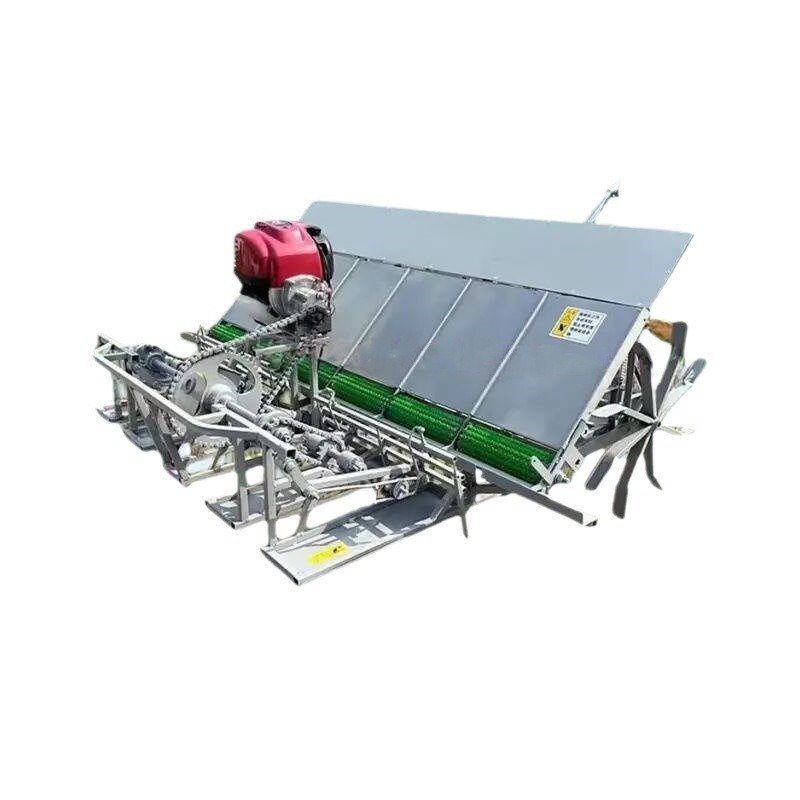
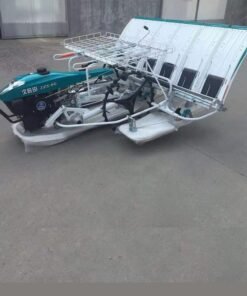
A ride-on rice transplanter is a self-propelled machine that plants pre-grown rice seedlings into flooded paddy fields in evenly spaced rows, replacing manual hand-transplanting. The operator sits or stands on the machine and drives it through the field while the planting mechanism — typically a rotary or crank-type planting arm — picks seedlings from a tray and inserts them into the soil at a set depth and spacing. Compared to broadcasting seed or manual transplanting, row planting also makes later weeding, fertilizing and harvesting easier because the rows are uniform.
Who Should Buy This Machine
- Medium to large-scale rice farmers planting enough area that labor cost and availability during peak transplanting season is a real constraint
- Agricultural service providers who offer contract transplanting to smaller farmers who can’t justify owning a machine themselves — a common and profitable model in Bangladesh’s rice belt
- Farmer cooperatives and agricultural machinery banks purchasing shared equipment for a group of smaller landholders
- NGO and government agricultural mechanization programs introducing mechanized transplanting to a district or cooperative
If you farm a small plot for personal consumption, a manual or walk-behind transplanter is likely a better fit — a ride-on machine makes economic sense once your own area, or the contract-service area you plan to cover, is large enough to justify the investment.
Industries & Applications
- Rice cultivation — the primary and near-exclusive application, across paddy field types
- Contract farming services — machine owners offering paid transplanting services to neighboring farms during the planting window
- Cooperative and mechanization programs — shared-use equipment for farmer groups
Bangladesh’s government actively promotes mechanized rice transplanting through subsidy and mechanization programs run by agricultural bodies, precisely because manual transplanting is one of the most labor-intensive steps in rice production and a major cost and timing bottleneck for farmers. If you’re planning to buy through a subsidy scheme, that’s a separate process from sourcing the machine itself — we can advise on what documentation a supplier-side purchase typically needs, but the subsidy application itself is between you and the relevant government body.
Production Capacity & Row Options
| Configuration | Typical use case |
|---|---|
| 6-row ride-on transplanter | Mid-size operations balancing coverage speed against machine cost |
| 8-row ride-on transplanter | Larger operations or contract service providers prioritizing area covered per day |
Row count directly affects how much area the machine can cover per day, but also its width, turning radius, and price. An 8-row machine plants faster per pass but needs more maneuvering room at field edges — tell us your typical plot size and shape and we’ll help you weigh the trade-off.
What to Confirm Before You Order
Rather than quote generic specifications, we confirm the machine configuration against your actual field conditions and planting plan before sourcing. Have these ready when you request a quote:
| Specification | Why it matters |
|---|---|
| Row count (6 or 8) | Balances planting speed against machine width and cost |
| Row spacing | Should match your region’s standard planting spacing |
| Field size & shape | Affects turning radius requirements and realistic daily coverage |
| Seedling tray type | Machines are typically matched to a specific tray/mat seedling format — confirm compatibility with your seedling-raising method |
| Engine type | Diesel or gasoline options may be available depending on the model |

Machine Configurations & Optional Customizations
- Row count — 6-row and 8-row are the most common configurations
- Engine type — diesel or gasoline, depending on the model and your fuel access
- Fertilizer attachment — some models support simultaneous fertilizer application during transplanting on certain configurations
- Float/wheel design — adjustable for different soil and water conditions in the paddy

Main Features
- Precision row planting — consistent spacing that supports easier later-stage crop management
- Ride-on operation — significantly less physically demanding than manual or walk-behind transplanting over a full working day
- Adjustable planting depth — matched to seedling age and soil condition
- Float-based flotation system — designed to operate in standing water without sinking into soft paddy soil
Benefits & Advantages Over Manual Transplanting
| Manual Hand Transplanting | Ride-On Mechanized Transplanting | |
|---|---|---|
| Speed | Slow — limited by available labor | Substantially faster per hectare |
| Labor requirement | High — multiple workers needed, especially at peak season | One operator per machine |
| Row uniformity | Variable, depends on worker skill | Consistent, machine-set spacing |
| Peak-season labor risk | High — labor shortage during planting window directly delays your crop | Removed — not dependent on hired labor availability |
Buying Considerations
- Match row count to your realistic field size, not your largest hypothetical plot — an oversized machine is harder to maneuver in smaller or irregularly shaped fields common in much of Bangladesh.
- Confirm the seedling tray/mat system the machine expects, and whether your current seedling-raising method is compatible or needs adjustment.
- Factor in operator training. Effective use takes some practice — ask what documentation or guidance is available.
- Plan for after-sales parts — planting fingers and moving mechanical parts wear over time; confirm what spares are recommended.
- If pursuing a subsidy program, confirm what documentation the relevant government body requires before finalizing your purchase timeline.
Factory Selection Advice
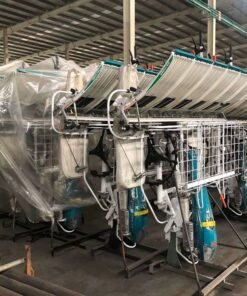
A rice transplanter is mechanically complex — the seedling-picking mechanism in particular needs to be precisely built to avoid missed plantings or seedling damage. We verify the manufacturer in person before you commit a deposit, confirming it’s a real factory with genuine production capability rather than a reseller. This is the core of our factory verification service, and it matters especially for agricultural machinery that will be operated in the field, often far from easy service support.
Quality Inspection Recommendations
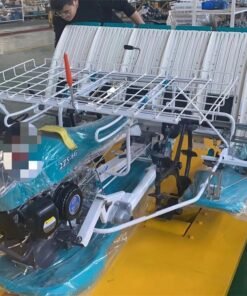
Before the machine ships, we recommend a functional test — the transplanting mechanism cycling correctly, engine and drive system checked, and where possible a trial planting run — not just a static visual inspection. Our quality inspection service covers this before your balance payment is released, which matters most for machinery you’ll be relying on during a narrow planting window with no room for delay.
Packaging & Shipping Options
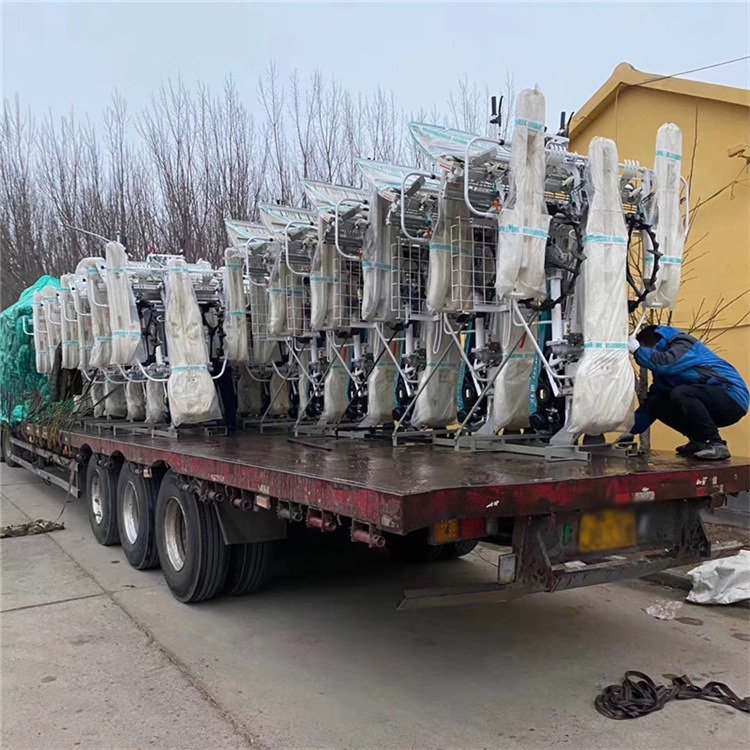
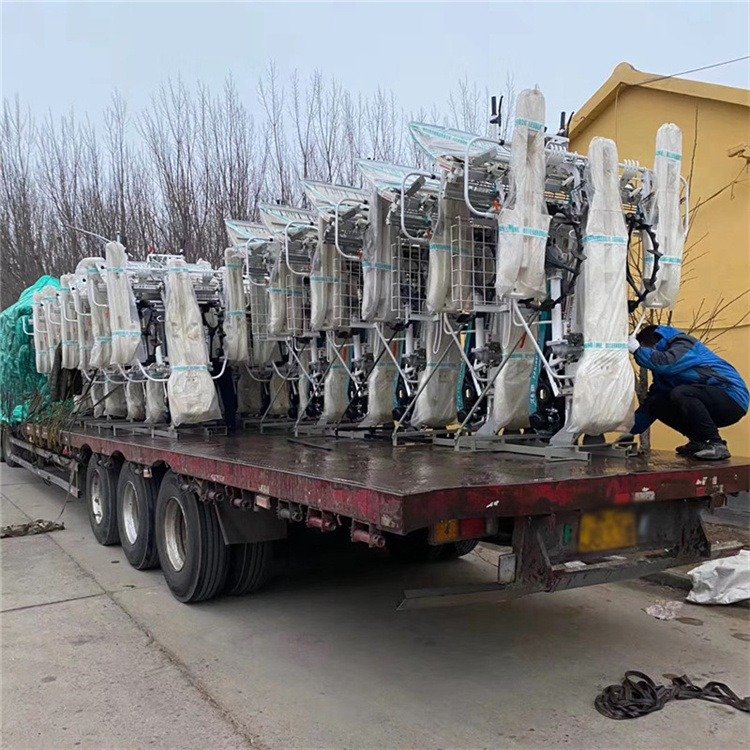
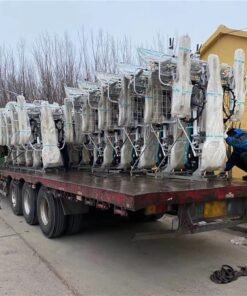
- Sea freight is the standard method given the machine’s size and weight, typically shipped by container
- Export crating/protection for exposed mechanical components during transit and port handling
- Timing matters — plan your order well ahead of your region’s planting season, since sourcing, freight and customs clearance take real time and a late machine defeats the purpose
Freight, customs clearance and delivery are handled through our full import support service, including a door-to-door option with no trade license required if you’re not registered to import commercially.
Installation & After-Sales Considerations
Confirm before ordering what operational guidance is provided, and what spare parts (planting fingers, drive belts, float components) are recommended to keep on hand given the machine will be used seasonally and needs to be ready at the start of each planting window. Ask us to confirm this with the manufacturer as part of your quote.
Related Machinery
Related Services
Related Buying Guides
- How to Find a Reliable Supplier in China
- AQL Explained: How Many Defects Are Acceptable?
- Trade License vs No-License Import: Cost Comparison
Frequently Asked Questions
How many rows should I choose — 6 or 8?
It depends on your field size and shape. 8-row machines cover more area per pass but need more turning room; 6-row machines are often easier to maneuver in smaller or irregular plots. Tell us your typical field dimensions and we’ll help you decide.
What seedling type does the machine need?
Ride-on transplanters are matched to a specific tray or mat seedling format. We confirm compatibility with your seedling-raising method as part of sourcing.
Is there a government subsidy for rice transplanters in Bangladesh?
Bangladesh’s government has run subsidy and mechanization support programs for agricultural machinery including rice transplanters through relevant agricultural bodies. Subsidy eligibility and application are handled directly with the government program, not through us — we can advise on sourcing documentation but recommend confirming current subsidy terms with the relevant authority.
Do you inspect the machine before it ships?
Yes. Our quality inspection service includes a functional test of the transplanting mechanism and drive system before shipment.
Can I import this without a trade license?
Yes — through our door-to-door import service we can clear the shipment under our own documents and deliver to you.
How far ahead of planting season should I order?
As early as possible. Sourcing, verification, freight and customs clearance all take real time, and ordering close to your planting window risks the machine arriving too late to use that season.


Reviews
There are no reviews yet.