
15
Aug
Aug
Most e-commerce sellers default to air or courier because it feels faster and simpler. Past a certain order size, sea freight LCL quietly becomes the better math — if you plan around its slower timeline.

Most e-commerce sellers default to air or courier because it feels faster and simpler. Past a certain order size, sea freight LCL quietly becomes the better math — if you plan around its slower timeline.

THC shows up as a separate line on almost every sea freight invoice, at both ends of the voyage, and confuses first-time importers more than any other freight charge. Here is what it actually covers.

Toys are cheap to make and easy to source, but they carry more compliance requirements per shipment than almost any other consumer category. Skipping them creates real liability, not just delay.

Auto parts are among the trickiest cargo to ship well: mixed weights, oil residue, fragile electronics, and buyers who need the right part, not just any part, on the shelf fast.

A clinic fridge that drifts two degrees overnight ruins a batch of vaccines without anyone noticing until the next shipment fails. Here is what separates medical cold storage from a commercial one.

A mini cold storage unit is a compressor, a set of panels, and a running electricity bill away from becoming a total loss. Here is what insurance for it actually needs to cover.

Very few container ships sail directly from China to Chattogram. Here is why your cargo almost always changes vessels along the way, and what that means for tracking and transit time.

Cosmetics and personal care shipments carry regulatory and handling requirements that generic cargo does not. Here is what actually changes when you import them door-to-door from China.
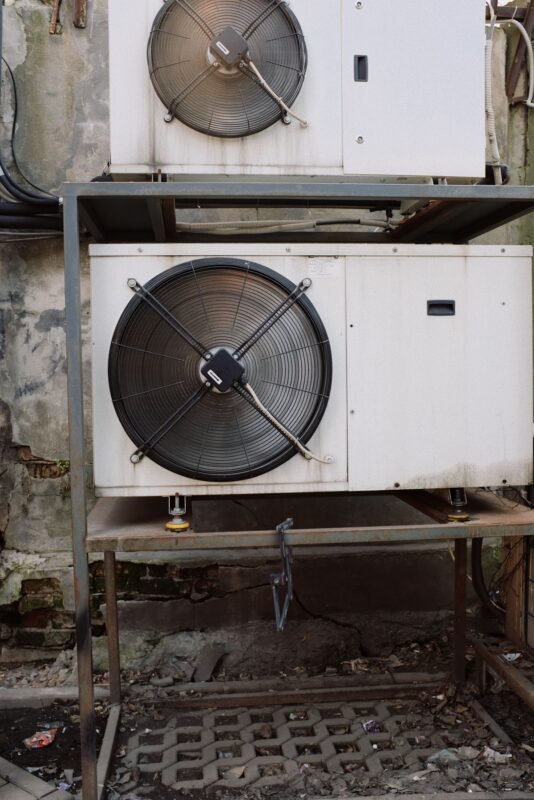
Where you put the condensing unit affects cooling efficiency, maintenance access, and equipment lifespan just as much as the compressor you choose. Here is how to think through the decision.

Some cargo simply will not fit in a standard container. Here is how break bulk shipping works, when it becomes necessary, and what changes about the logistics and customs process.