13
Aug
Aug
Aircraft cargo holds are not reefer containers. Here is how insulation, cooling method and ground-handling time determine whether a perishable air shipment survives the trip.

Aircraft cargo holds are not reefer containers. Here is how insulation, cooling method and ground-handling time determine whether a perishable air shipment survives the trip.

Chemical and hazardous cargo shipments run under the IMDG Code, with classification, certified packaging and segregation rules that general cargo never touches. Here is what is different.

Supplier delays, port congestion, documentation errors and final-mile trucking all cause different kinds of delay. Here is how to tell them apart and what you can actually plan around.

Fabric rolls, yarn and trims need different container loading and moisture protection than general cargo. Here is what changes for textile raw material shipments from China.

Onion and garlic need cold, dry, well-ventilated storage, not the humid cold used for most vegetables. Here is why curing and dehumidification determine whether stored bulbs survive.
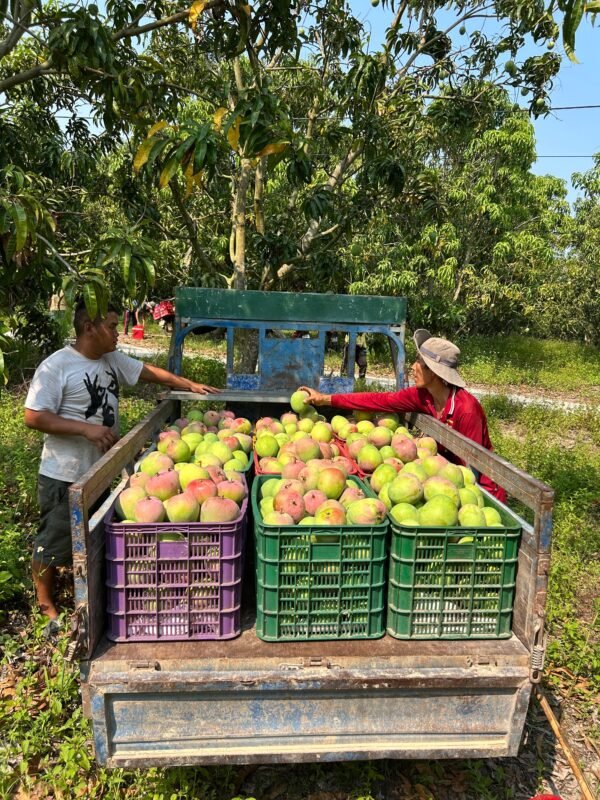
Mango is a climacteric fruit that keeps ripening after harvest. Here is how pre-cooling, cold room handling and reefer setup determine whether an export shipment survives the trip.
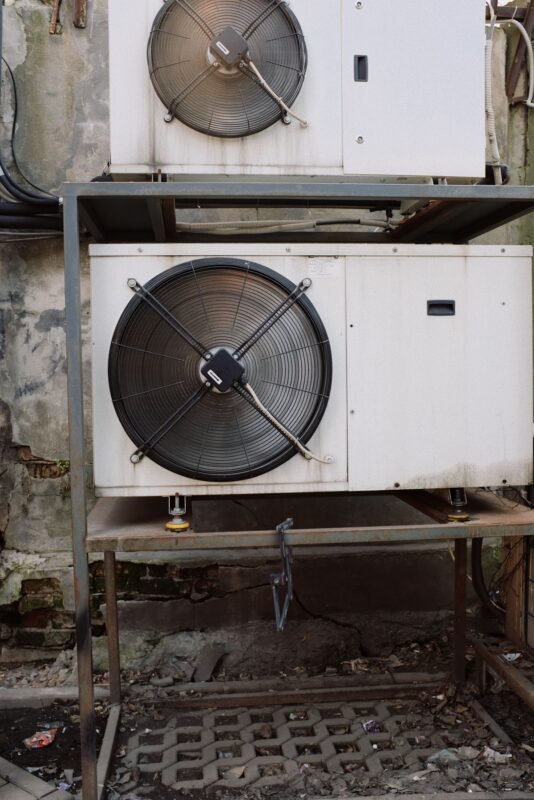
Reciprocating, rotary and scroll compressors trade off differently on efficiency, noise, repair cost and local serviceability. Here is how to choose.

A bakery cold room is not the same brief as a produce chiller. Here is why dough retarding, humidity control and kitchen layout change the design.

What DGDA actually requires before medical devices and equipment can be legally imported into Bangladesh, and where first-time importers get stuck.

Why the same product can be treated completely differently at customs depending on quantity and intent, and where the personal-import gray zone actually ends.