
Import & Export Guides
Importing Fresh Fruit from China to Bangladesh: Apples, Grapes and Citrus by Reefer
Sep
Walk through Badamtali, the old fruit wholesale market on the Buriganga in Dhaka, in the cooler months and you will see stacks of cartons of apples, pears, grapes and mandarins, a good share of them from China. Fresh fruit import is a real business in Bangladesh, but it is unforgiving: the product is alive, it is losing quality from the day it is picked, and a delay that would be an inconvenience for garments becomes a total loss for grapes. This guide covers what an importer needs to know about bringing fresh fruit from China — permits, reefer shipping, port handling and distribution — without pretending there are shortcuts.
Regulatory requirements before the fruit is shipped
Fresh fruit is a plant product, so it falls under plant quarantine control. Importers need a plant quarantine import permit from the Plant Quarantine Wing of the Department of Agricultural Extension before the consignment is shipped, and the consignment must travel with a phytosanitary certificate issued by the Chinese plant protection authority, certifying that the fruit was inspected and meets Bangladesh’s requirements. Our plant quarantine guide explains the process. Food imports may also need other certificates — for example, a radioactivity test — so check the current requirements for your product with your C&F agent before you place the order. The general rules are in our food import rules guide.
The import must also be in order commercially: a valid IRC, an LC or other payment method through your bank, and a commercial invoice and packing list that describe the fruit precisely — variety, grade, carton count and net weight.
Before the container is loaded, ask the exporter for scanned copies of the full document set: phytosanitary certificate, commercial invoice, packing list, certificate of origin and the bill of lading draft. Check that the botanical name, variety, quantity and weight agree across every document and with your import permit. Quarantine officers compare these line by line, and even a spelling difference in the fruit variety or a carton count that does not match can hold a reefer while its contents age. An APTA certificate of origin may also reduce duty on eligible goods, so ask whether it applies before the shipment leaves.
Every fruit has its own storage conditions
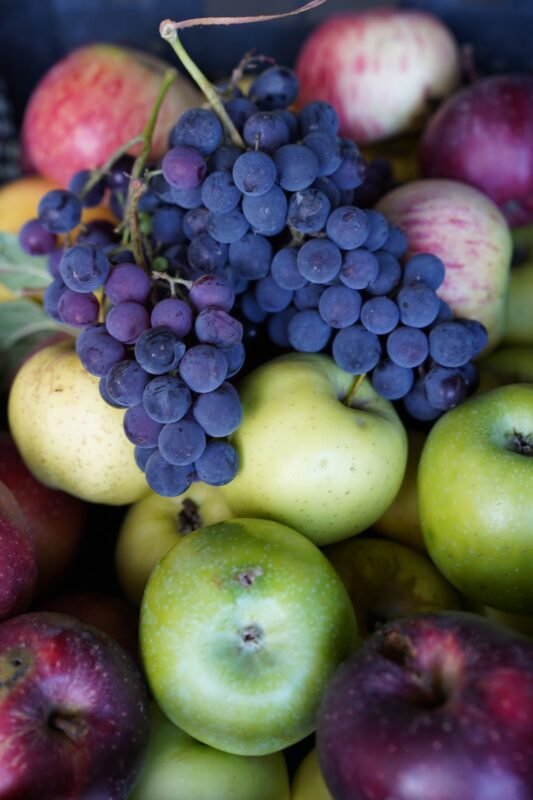
Treating “fresh fruit” as one product is the first mistake. Each fruit has its own ideal temperature, humidity and tolerance, and those should come from the exporter’s specification and established post-harvest references rather than guesswork. Apples and pears keep best close to freezing and are heavy producers of ethylene, the ripening gas. Table grapes need cold, very humid conditions and are often packed with sulphur dioxide pads to control mould. Mandarins and other citrus can suffer chilling injury if held too cold. These differences decide how the reefer container is set and whether different fruits can travel together.
| Fruit type | Main sensitivity | Practical implication |
|---|---|---|
| Apples, pears | High ethylene production | Do not mix with ethylene-sensitive produce; ventilate the reefer |
| Table grapes | Mould, water loss, stem browning | Very humid, cold carriage; SO2 pads where specified |
| Mandarins, oranges | Chilling injury if too cold | Setpoint must suit citrus, not apples |
| Mixed loads | Conflicting needs | Only combine fruits with compatible temperature and ethylene profiles |
Timing orders around the Chinese harvest
Fresh fruit follows a harvest calendar, and the quality and price of Chinese apples, pears, grapes and citrus change through the season. Fruit shipped soon after harvest behaves differently from fruit that has spent months in cold or controlled atmosphere storage at origin before export: stored fruit can be excellent, but it has less remaining shelf life once it leaves the store. Ask the exporter when the fruit was harvested and how it has been stored, and match your order size to how fast you can sell. Bangladeshi demand also has its own rhythm, rising around Ramadan and the winter wedding season, so the order calendar needs to fit both ends.
Packaging for a long journey
Export fruit cartons must be strong enough to stack in a reefer for the whole voyage without collapsing as they absorb humidity, and they must have vent holes that line up so cold air can move through the stack. Grapes are usually packed in liners with sulphur dioxide pads; apples and pears in trays or with individual wrapping to prevent bruising. Cartons should be labelled with variety, grade, count, packing date and packhouse details, which also helps quarantine inspection. Pallets and any wood used in packing must meet ISPM 15 rules. Weak cartons are a false economy: a collapsed bottom layer can ruin a large share of the container.
Shipping by reefer container
Most fresh fruit from China travels by refrigerated container. The container’s temperature, ventilation and humidity settings are instructed at booking and should match the exporter’s specification. Before loading, the container should pass a pre-trip inspection and be pre-cooled; the fruit itself should be pre-cooled to carrying temperature before stuffing. A reefer is designed to hold temperature, not to pull warm fruit down, and warm fruit loaded into a cold box will spend days above its ideal temperature. Cartons should be stacked so that cold air can flow up through the load, and not above the red load line.
Transshipment matters more for reefers than for dry cargo. At the transshipment port the container must be plugged in again quickly, and any long wait for a connecting feeder is time the fruit spends ageing. Ask your forwarder how reefers are handled on the routing, and consider independent temperature loggers inside the load so you have evidence of what happened if there is a claim.
Arrival at Chattogram: speed is everything
Once the reefer lands, it must be plugged into power in the port reefer area, and the clearance process should start immediately. Plant quarantine officers inspect the consignment and may take samples; customs examines and assesses the Bill of Entry. Perishable cargo can be prioritised, but only if the paperwork is complete and correct — a missing permit or a mismatch between the phytosanitary certificate and the invoice will stop everything while the fruit keeps ripening. Lodging the Bill of Entry before arrival where possible saves valuable time. Our guide to clearing perishable goods covers this in detail.
Inland transport and distribution
After release, fruit should move to Dhaka or its final market under refrigeration, either in the reefer container on a trailer with a genset or in refrigerated trucks. Unloading a cold container into an open, hot truck for the journey defeats the cold chain at its last step and causes condensation on the fruit, which invites mould. At the destination, fruit that will not sell immediately belongs in a suitable cold store — which is why many fruit traders now invest in a mini cold storage near the wholesale market.
Common mistakes and their consequences
- Shipping before the import permit is in hand. The consignment can be held or refused at the port.
- Loading warm fruit. Shortened shelf life and condensation damage that no reefer can undo.
- Mixing apples with sensitive fruits. Ethylene from the apples ripens and softens the other fruit in transit.
- Unclear quality terms with the supplier. Agree grade, size, colour, and what happens if fruit arrives below specification, before paying — see our quality agreement guide.
- No insurance or data. Without suitable cargo insurance and temperature records, a spoiled load is simply a loss.
For a wider view of the business, read cold chain logistics in Bangladesh and controlled atmosphere storage for fruit.
Every shipment is different, so we do not publish one-size-fits-all prices or timelines for fresh fruit imports by reefer. Ask us for a quote built around your product, volume and destination — we will tell you honestly what applies to your case. See our full list of services, browse the product catalogue, learn how our China sourcing and buying agent service works, or contact DE International to talk it through.
