
Import & Export Guides
Samosa Making Machine Price in Bangladesh: Which Machine Suits a Frozen Snacks or Catering Business
Nov
The right samosa making machine for a business in Bangladesh depends on which samosa you sell and how you sell it. A catering kitchen or restaurant making thin-sheet samucha usually needs a pastry sheet (patti) machine plus a few helpers folding by hand, while a frozen snacks factory supplying superstores needs an automatic forming machine, a fryer or blast freezer, and packing. The samosa making machine price in Bangladesh therefore ranges widely with the type, capacity and the shape you need; DE International sources these machines from food machinery factories in China and delivers them door-to-door, so ask us for a quote built around your product.
Singara or samucha: why the shape decides the machine
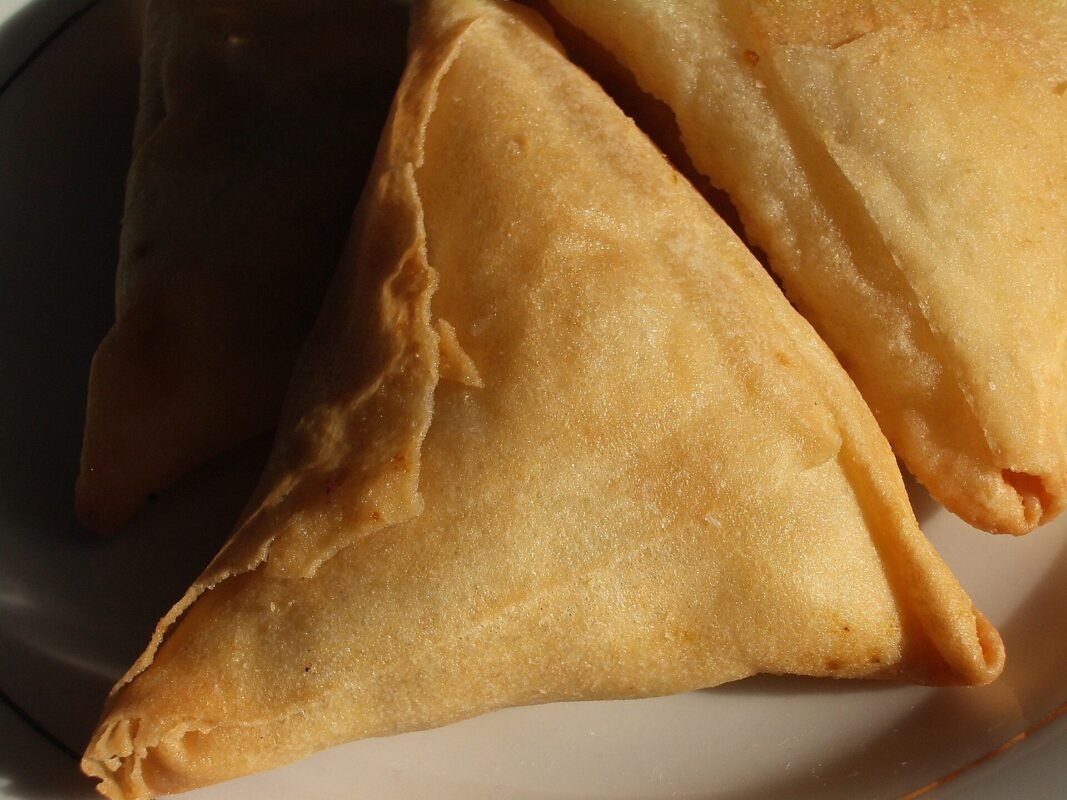
In Bangladesh two snacks share the samosa name. The singara is a cone-shaped, pleated snack with a thicker short-crust pastry and a soft potato filling, usually folded by hand at tea stalls. The samucha is a flat triangle made from thin layered pastry sheets, filled with spiced onion, minced meat or vegetables, and it is the one sold frozen in superstores and served at iftar tables.
This distinction matters more than anything else when buying a machine. Most Chinese “samosa machines” are built for the thin-sheet triangle or for half-moon shapes like dumplings and empanadas. A machine that makes a perfect half-moon will not make your triangle, and almost no affordable machine reproduces a hand-pleated singara cone. Before you pay, send the factory clear photos of your product and ask for a video of their machine making that exact shape with a filling close to yours.
What types of samosa machines come from China?
| Machine | What it does | Who it suits | What to check |
|---|---|---|---|
| Samosa pastry sheet (patti) machine | Bakes thin pastry sheets on a heated drum or plate, then cuts them to size | Kitchens and small factories that fold by hand | Sheet thickness control, heating type (electric or gas), cutting width |
| Semi-automatic samosa forming machine | Workers place sheet and filling; the machine folds and seals | Growing caterers and small frozen-food units | Whether the fold is a true triangle, how filling is dosed |
| Automatic samosa forming line | Sheets dough, doses filling, folds, seals and discharges onto a conveyor | Frozen snacks factories supplying retail | Filling pump design, changeover between fillings, cleaning time |
| Dumpling or empanada machine sold as samosa machine | Makes half-moon or round filled shapes | Only if you are happy to sell a different shape | Confirm the shape on video — this is the most common mismatch |
A complete small factory also needs equipment around the former: a dough mixer, a vegetable cutter or mincer for the filling, a cooking kettle to prepare the filling, a fryer if you sell ready-to-eat, a blast freezer if you sell frozen, and a sealing or vacuum packing machine. Our bakery mixer guide covers the dough side and our vacuum packing machine guide covers packing.
How an automatic samosa line works, step by step
- Dough or sheet preparation. Either dough is mixed and rolled into a continuous sheet by rollers, or pre-made patti sheets are fed in. Dough moisture must stay consistent, or sheets tear at the fold.
- Filling dosing. A hopper with a screw or piston pump pushes a measured amount of filling onto each piece of pastry. This is where many problems start: large potato chunks, whole peas or stringy meat can jam the pump or give uneven weights.
- Folding and sealing. Moulds or folding plates turn the pastry around the filling and press the edges to seal. A weak seal opens in the fryer and the filling leaks into the oil.
- Discharge. Formed samosas drop onto a conveyor or trays, ready for frying or freezing.
- Freezing or frying. Frozen products go into a blast freezer quickly so ice crystals stay small and the pastry does not go soggy, then into frozen storage. Ready-to-eat products go through a batch or continuous fryer.
- Packing. Frozen samosas are counted into pouches or trays, sealed, labelled with batch and expiry dates, and stored frozen.
The lesson: adjust the filling for the machine. Cut vegetables smaller, control moisture and cool the filling fully before forming — many “machine problems” are really filling problems.
Which machine suits a catering, restaurant or frozen snacks business?
- Restaurant or café making a few hundred pieces a day. A patti sheet machine plus hand folding often gives the best result. You control quality, change fillings freely, and the investment is modest.
- Catering business with big seasonal orders. Demand jumps for weddings, corporate events and especially during Ramadan for iftar. A semi-automatic former helps a small team keep up without losing the triangle shape.
- Frozen snacks brand selling to superstores in Dhaka and Chattogram. You need consistent weight, shape and seal on every piece, so an automatic forming line with a blast freezer and proper frozen storage is the realistic setup.
- A business adding samosa to an existing paratha or roti line. Check whether the same mixer, freezer and packing can be shared. Our roti and paratha machine guide covers the flatbread side.
If you plan to sell frozen, the cold chain is as important as the forming machine. A samosa that partly thaws in a delivery van and refreezes in a shop freezer turns soggy and gets returned. Read our guide on mini cold storage for frozen paratha and snack food before you size your freezer capacity.
What decides the samosa making machine price in Bangladesh?
We do not quote a fixed number here, because the landed price changes with the model, exchange rate and freight. These factors move it most:
| Factor | Effect on price |
|---|---|
| Level of automation | A sheet machine costs far less than a full forming line with conveyors. |
| Output per hour | Higher capacity means larger motors, more moulds and a bigger frame. |
| Shape and moulds | Custom triangle moulds or extra mould sets for different sizes add cost. |
| Material | Food-contact parts in SUS304 stainless steel cost more than painted steel and are what you should insist on. |
| Filling system | Pumps designed for chunky vegetable fillings cost more than simple paste dosers. |
| Supporting machines | Fryer, blast freezer, mixer and packing can cost as much as the former itself. |
| Freight, duty and clearance | Shipped in wooden crates by sea; duty, VAT and C&F charges are paid at Chattogram. |
Common mistakes when buying a samosa machine from China
- Buying from a brochure photo. The picture shows a triangle, the machine makes a half-moon. Always get a live or recorded test with your shape.
- Not sending your filling details. Tell the factory the size of vegetable pieces and whether the filling contains meat. Ask them to test with a similar filling.
- Ignoring cleaning time. Ask how the filling hopper and moulds come apart for washing after each shift.
- Forgetting the electrical supply. Many lines need 380–400V three-phase power. Check your factory connection before ordering.
- Skipping food approvals. A packed frozen snack sold in shops needs proper labelling and may need BSTI or Bangladesh Food Safety Authority approvals; confirm the current requirements before launch.
Importing the machine: what to prepare
Food processing machines like samosa formers are commonly declared under HS heading 8438 (machinery for the industrial preparation of food). Confirm the exact code and current duty with your C&F agent, because the duty depends on the code that customs accepts. Ask the factory for a proforma invoice listing each machine separately, a packing list with crate sizes and weights, and the user manual in English. Inspect the machine at the factory before shipment and agree a spare parts kit — spare moulds, seals and a pump set — in the contract. Our guide on food and snack production machines for Bangladeshi startups covers other snack lines you can add later.
FAQ
What is the price of a samosa making machine in Bangladesh?
It depends on whether you need a pastry sheet machine, a semi-automatic former or a full automatic line, plus capacity, moulds and freight. Send DE International a photo of your samosa and your daily target and we will quote a landed price.
Can a machine make the Bangladeshi singara?
The pleated cone-shaped singara is very hard to automate, and most machines are built for the flat triangular samucha or half-moon shapes. Ask for a video of the exact shape before you buy.
Which samosa machine is best for a frozen snacks business?
An automatic forming line with consistent filling dosing, plus a blast freezer, frozen storage and sealed packing. The forming machine alone is not enough to sell a good frozen product.
Do I need a separate machine for samosa sheets?
If you fold by hand or use a semi-automatic former that takes ready sheets, yes — a patti sheet machine makes the thin pastry sheets. Fully automatic lines usually roll their own dough sheet.
Who can import a samosa making machine from China to Bangladesh?
DE International sources samosa machines from Chinese food machinery factories, arranges a test with your shape, inspects before shipping and delivers door-to-door. WhatsApp us on +880 1750-859967.
Next steps: browse our services, the China sourcing and buying agent service and our machinery shop. For the cost of shipping a machine to Chattogram or Dhaka, get a cargo quote at decl.bd, or contact us — WhatsApp +880 1750-859967.
