
Import & Export Guides
Door-to-Door Shipping of Electric Bikes and Scooters From China to Bangladesh
Sep
Electric bicycles and scooters look like simple products to import: a frame, two wheels, a motor and a battery. In logistics terms, they are anything but simple. The lithium battery turns every unit into regulated cargo; the frame makes them bulky and easily damaged; and the question of how the product is classified and whether it needs registration to be used on Bangladeshi roads can change the whole business case. Door-to-door service helps precisely because so many different rules meet in one product.
This guide covers what an importer needs to know before bringing e-bikes and e-scooters from China to Bangladesh: battery transport rules, shipping mode, packaging and loading, classification and duty, road-use approval, and after-sales spare parts.
The battery is what makes this cargo regulated
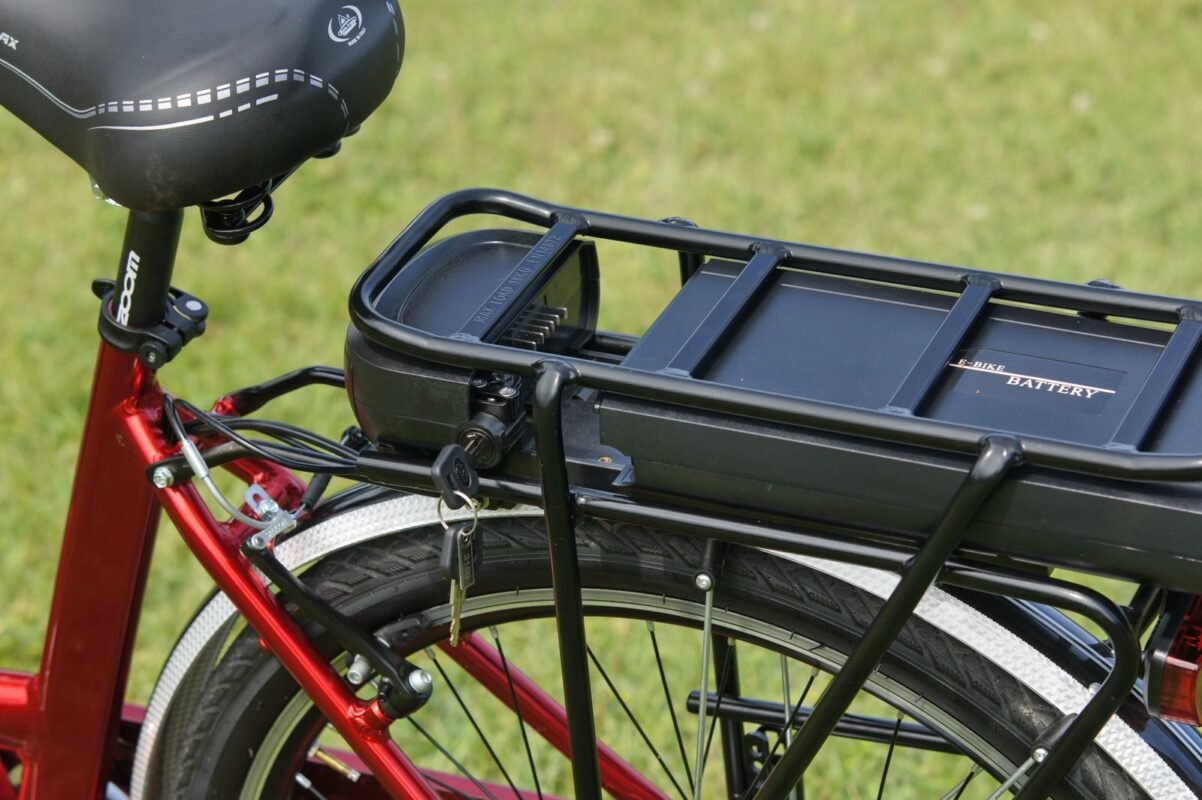
Under the international dangerous goods rules, a battery-powered vehicle is classed as a Class 9 miscellaneous dangerous good. An e-bike or scooter shipped with its battery installed is typically declared as UN3171, battery-powered vehicle. Batteries shipped separately, for example as spares, fall under different entries such as UN3480 for lithium-ion batteries on their own. The distinction matters because the packing, labelling and documentation differ.
Whatever the entry, the battery design must have passed the tests in the UN Manual of Tests and Criteria, section 38.3, and the manufacturer should provide a UN38.3 test summary. Carriers and forwarders will ask for it, along with the battery’s safety data sheet. A supplier that cannot produce these documents for the exact battery model is a serious warning sign, both for shipping and for the safety of your customers.
Sea or air: why most e-bikes travel by sea
Air freight of battery-powered vehicles is heavily restricted, and many airlines refuse large lithium batteries or limit them to cargo aircraft. The volume of a boxed e-bike also makes air freight expensive for anything beyond samples. For commercial quantities, sea freight is the normal route.
At sea, the goods move under the IMDG Code, with dangerous goods declarations, labels and the shipping line’s approval. Not every line or every vessel accepts every class of dangerous goods, and some apply surcharges; booking needs more lead time than general cargo. Even in LCL, some consolidators do not accept dangerous goods, which limits options for small first orders. Our guide on lithium battery air freight explains the air-side rules for samples, and the battery storage shipping guide covers larger battery systems.
Packaging, CKD and SKD, and loading
How the bikes are packed affects freight cost, damage risk and sometimes duty. Options range from fully built units in large cartons, to semi-knocked-down (SKD) packing with the handlebars, pedals or front wheel removed, to completely knocked-down (CKD) kits for local assembly.
| Packing | Advantages | Watch out for |
|---|---|---|
| Fully built | Ready to sell on arrival | Most volume per unit; more exposed parts to damage |
| SKD (partly disassembled) | Smaller cartons, more units per container | Needs simple assembly and a pre-delivery check in Bangladesh |
| CKD (kits) | Most compact; can support a local assembly business | Classification and duty treatment may differ; needs skilled assembly |
Whichever you choose, specify the packing in your order: carton strength, internal protection for the frame, derailleur and display, and battery state of charge. For transport, lithium batteries are usually shipped partly charged rather than full; follow the manufacturer’s and carrier’s instructions. A container loading check is worthwhile because crushed cartons at the bottom of a stack are the most common damage we see on two-wheelers.
Classification, duty and road-use approval
Electric bicycles and scooters are generally classified in the Harmonized System under heading 8711, which covers motorcycles and cycles fitted with an auxiliary motor; subheading 8711.60 covers those with an electric motor for propulsion. Kick-style electric scooters may be classified in the same way or differently depending on design, and parts and batteries have their own headings. The exact code affects your duty and taxes, so confirm it for your specific model before placing the order; our guide on HS codes explains how, and an advance ruling is worth considering for a large order.
Classification for customs is one question; whether the vehicle can legally be used on the road is another. Rules on electric two- and three-wheelers in Bangladesh, including whether a model needs approval or registration with the Bangladesh Road Transport Authority (BRTA), have been evolving. Motor power, speed and design all matter. Before ordering commercial quantities, confirm the current position for the exact specification you plan to sell. An e-bike that customers cannot legally ride is very hard to sell, however well it was shipped.
What door-to-door service covers for this product
Because so many specialist steps are involved, e-bike imports are a case where coordinating everything through one partner saves real time. A door-to-door service for this product typically covers:
- Checking the supplier’s UN38.3 summary, SDS and dangerous goods paperwork before the order ships.
- Booking with a line and consolidator that accept the cargo, with correct declarations and labels.
- Inspection and loading supervision at the factory.
- Customs clearance in Bangladesh with the correct classification and supporting documents.
- Delivery to your warehouse or showroom, with handling suitable for bulky, fragile cartons.
Our general guide to door-to-door shipping from China explains how the service works across products.
Receiving and storing e-bikes in your warehouse
The battery risk does not end when the container is cleared. A warehouse holding dozens or hundreds of e-bikes is holding a significant number of lithium-ion batteries, and lithium battery fires are hard to extinguish once they start. Most incidents involve damaged batteries or batteries being charged, so the practical rules focus on those two situations.
On arrival, inspect cartons for crush damage and open any that look affected. A battery that is swollen, dented, hot, leaking or smells unusual should be separated immediately and stored away from other goods until the supplier advises on return or disposal — never put back into stock. Store bikes and spare batteries away from heat sources and direct sun, keep aisles clear so a problem unit can be removed quickly, and do not charge batteries in the storage area unattended. If units must be charged for pre-delivery checks, do it in a designated area with suitable fire precautions. Tell your insurer what you are storing; some policies treat lithium batteries as a special risk. Our guide on warehouse fire safety and insurance covers the broader requirements.
Spare parts and after-sales
Electric two-wheelers need parts: tyres, brake pads, chargers, controllers, displays and, eventually, batteries. Customers judge a brand on whether it can fix their bike, not on the first sale. Order a sensible stock of wear parts with the first shipment, because parts ordered later travel in small, expensive consignments — and spare batteries shipped separately carry the full lithium battery requirements. Agree warranty terms with the supplier in writing, including how defective parts will be replaced. Our guide on spare parts import rules covers the customs side.
Common mistakes
- Ordering without battery test documents. The shipment cannot be booked, or is booked incorrectly and held.
- Booking as general cargo. Undeclared dangerous goods risk penalties and refusal, and put the vessel at risk.
- Not checking road-use rules first. Stock that cannot legally be used sits in the warehouse.
- Weak packaging. Bent frames and broken displays on arrival wipe out the margin on those units.
Freight, duty and approval costs depend on the model, quantity and packing, so we do not quote a general figure. Ask us for a landed cost built around your specification.
Talk to DE International
DE International handles door-to-door shipping, dangerous goods documentation and customs clearance from China to Bangladesh. See our China sourcing and buying agent service, browse our shop, or contact us with your model and quantity.
