AIT on the bill of entry is your own income tax collected early, commonly 5% of assessable value. Whether you get it back depends on if it is adjustable or minimum tax. Here is how it works and how to keep it a timing cost, not a real one.

The LCA form is the Bangladesh Bank-registered authorisation that lets your bank pay a foreign supplier. Here is what goes on it, how long it stays valid, how it links to the IMP form and bill of entry, and the mistakes that send it back.
An IRC registers you as an importer, but some consignments also need an Import Permit or Clearance Permit from CCI&E. Here is when the IP applies, why it surfaces late, and how to check before you commit money.
A mushroom keeps generating its own heat and moisture after harvest, and loses quality within hours at ambient temperature. Here is what mushroom-specific cold storage actually needs to get right.
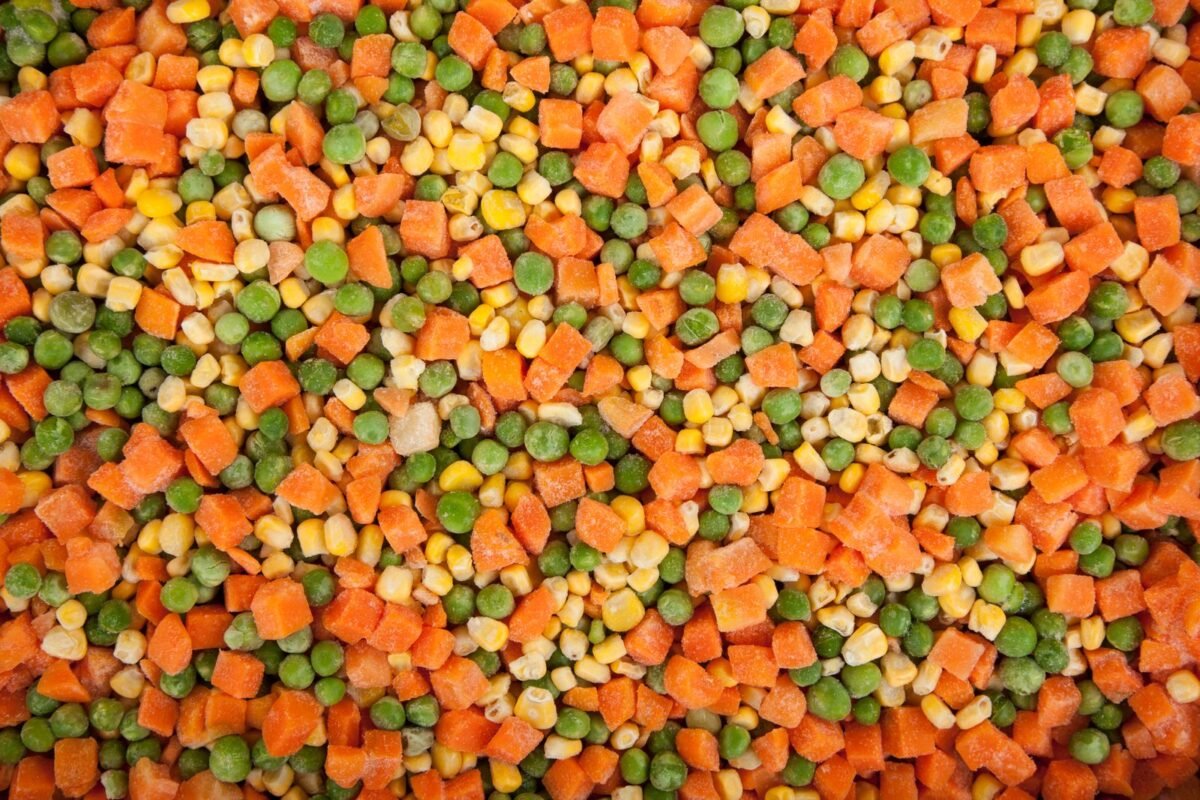
A frozen vegetable has effectively had its spoilage clock stopped — but only if freezing, blanching and the cold chain afterward never break. Here is what export-grade frozen vegetable handling actually requires.
A cut flower has no upside from extra time in transit. Here is what pre-cooling, packaging and humidity control actually require to protect vase life on an export flower shipment.
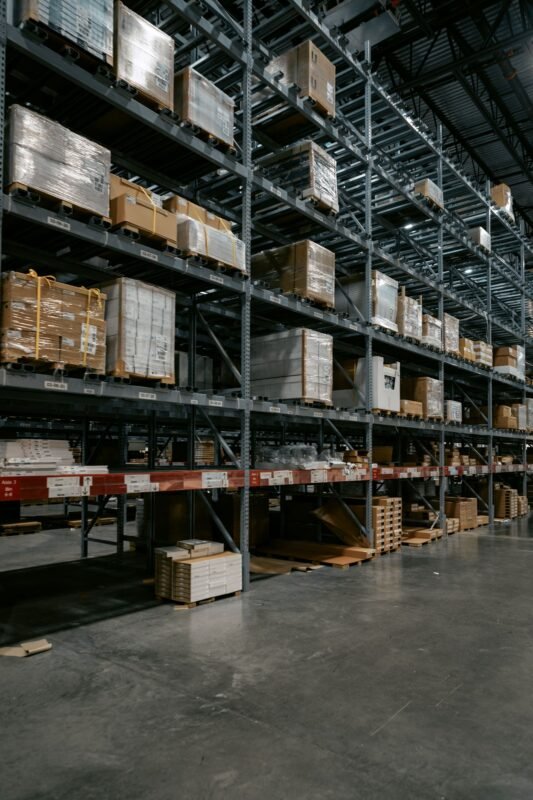
An annual stock-take finds a shortage months after it happened, with no way to trace the cause. Here is how cycle counting catches inventory problems early enough to actually fix them.
A container with a dozen products under a dozen HS codes clears very differently from a single-product shipment. Here is what actually complicates mixed-cargo customs clearance in Bangladesh.
Diagnostic reagents fall under IATA dangerous goods rules most general cargo never touches. Here is what packaging, cold chain and documentation this category actually requires.
LCL cargo does not go straight from factory to ship. Here is what actually happens inside a Container Freight Station in China, and why it explains most LCL delays and charges.