06
Oct
Oct
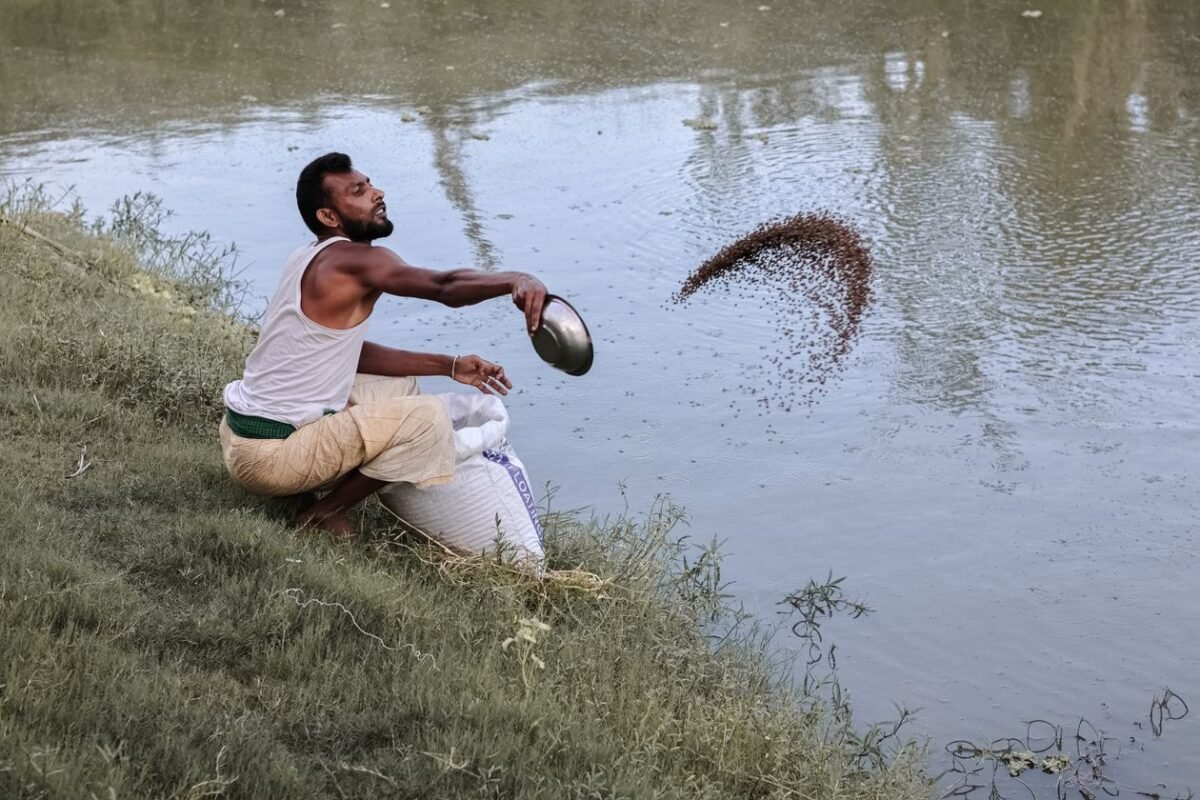
Fish feed making machine price in Bangladesh explained: why extruded feed floats, extruder vs pellet mill, the machines in a floating feed line, and licensing to check.

Practical guides on importing and sourcing from China to Bangladesh – covering freight, customs, suppliers, quality control and trade costs from the DE International team.
Fish feed making machine price in Bangladesh explained: why extruded feed floats, extruder vs pellet mill, the machines in a floating feed line, and licensing to check.
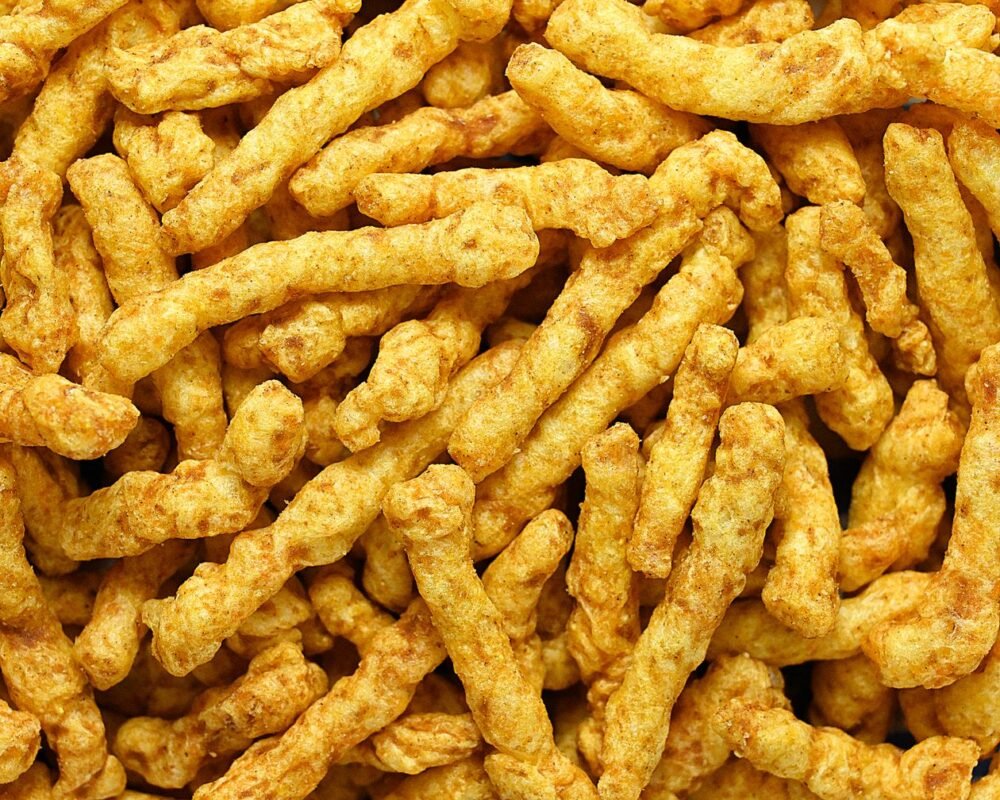
Chanachur making machine price in Bangladesh explained: dough mixer, sev extruder, batch vs continuous fryer, de-oiler, seasoning and packing, plus oil management and approvals.

Tissue paper making machine price in Bangladesh explained: converting jumbo rolls vs making base paper, the machines for toilet rolls, napkins and facial tissue, and what moves the price.

What decides automatic paper cutting machine price in Bangladesh: cutting width, hydraulic vs mechanical drive, programmable back gauge, safety and running a cutter in humid conditions.
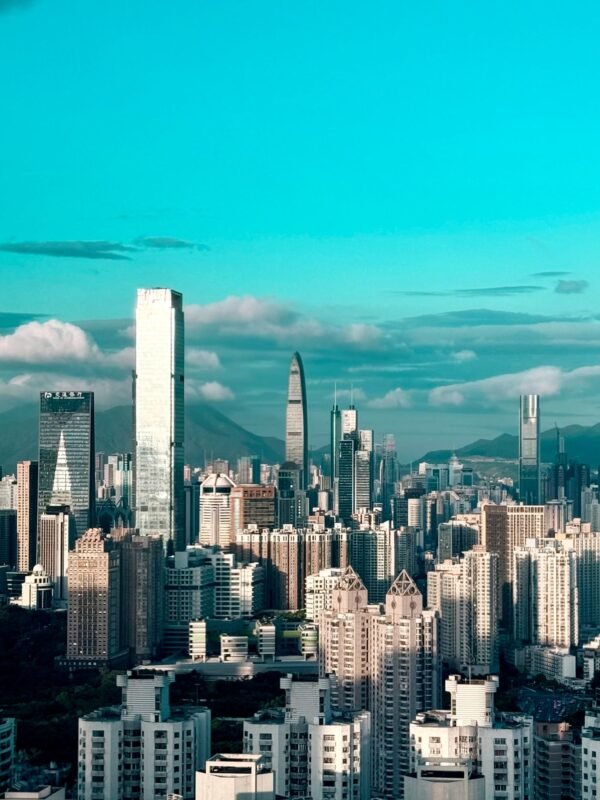
How to contact a reliable trade agent in Shenzhen on WhatsApp from Bangladesh: what to send first, how to verify the agent, and how the work flows from sourcing to door delivery.

What decides tablet making machine price in Bangladesh: single-punch vs rotary presses, tooling, GMP design, the rest of the tablet line and licensing questions to settle first.
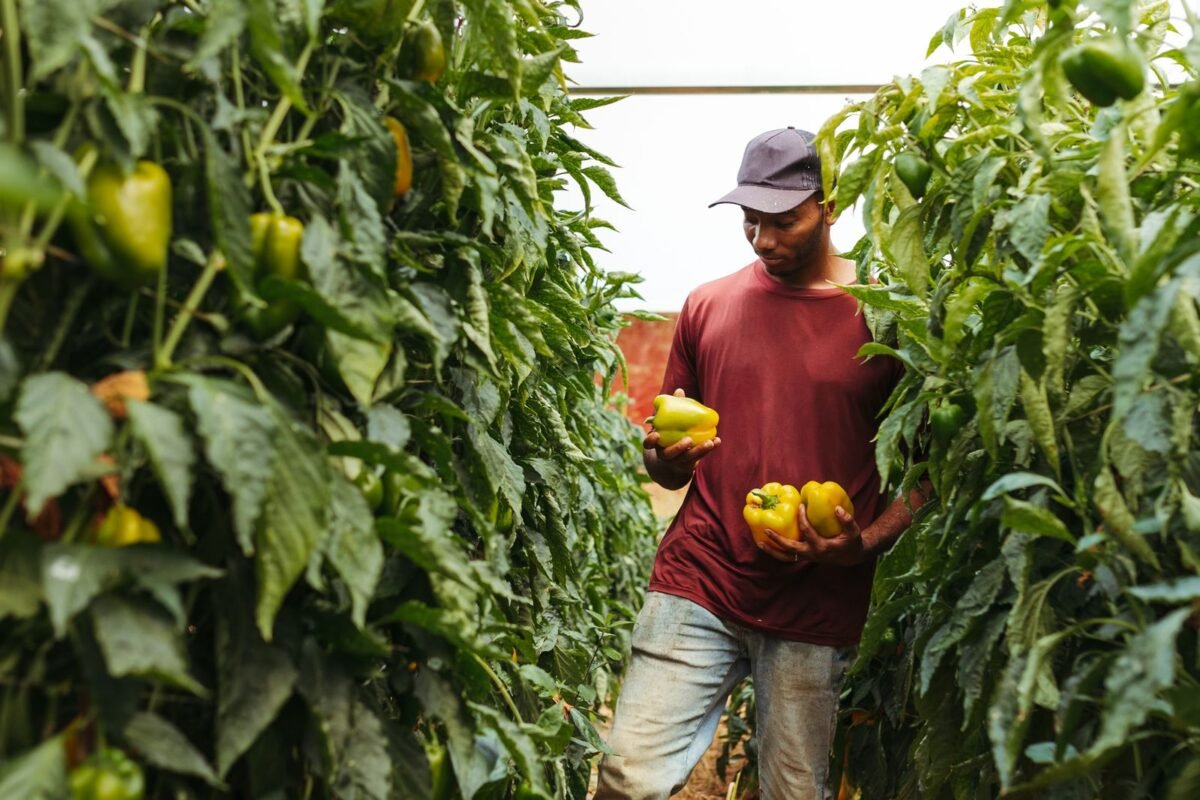
Capsicum loses quality through water loss, stem rot and chilling injury. How Bangladeshi growers and supershop suppliers can harvest, pre-cool, store and transport bell peppers without shrivel or pitting.
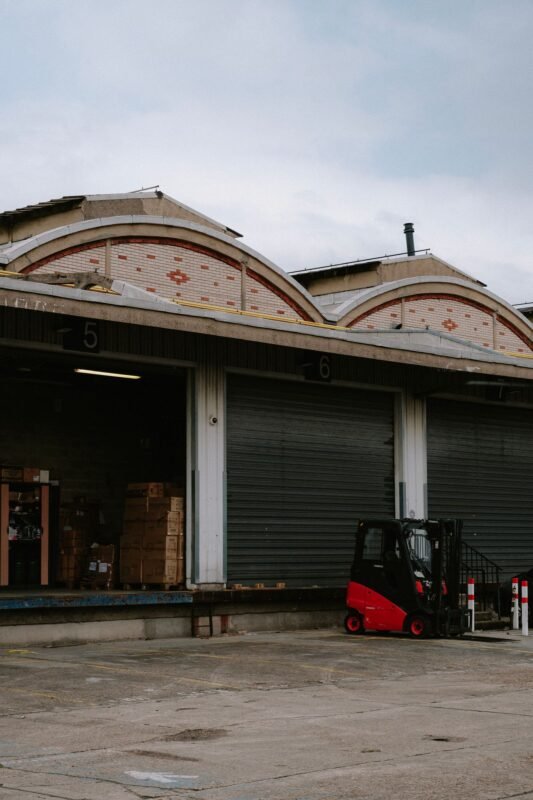
Most Bangladeshi warehouses still unload containers by hand. How dock levellers, yard ramps, shelters, bumpers and restraints work, and how to choose them for mixed vehicle heights and monsoon conditions.
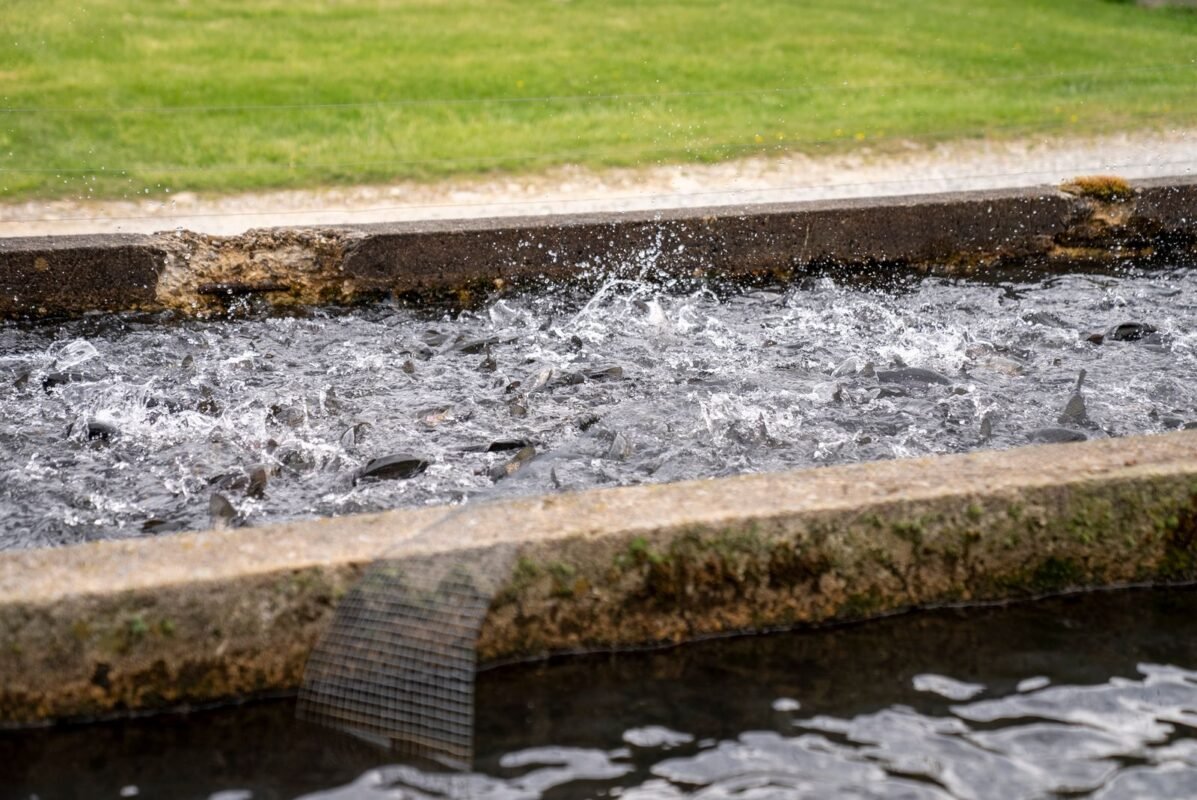
Transport losses of fish seed are a hidden cost in Bangladeshi aquaculture. What stresses fry and fingerlings in transit, how bags and aerated tanks compare, the equipment that helps, and safe release at the pond.
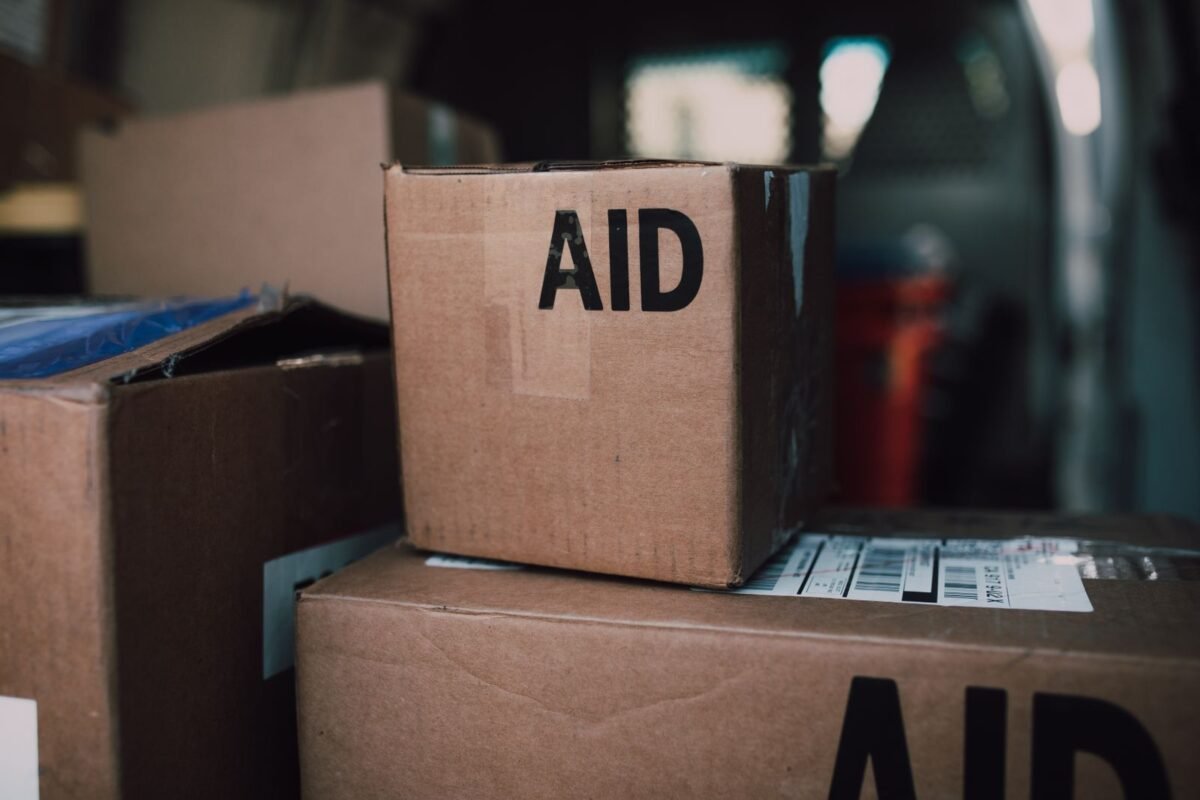
Donated goods still need a customs value, the right NGO Affairs Bureau approvals and any product permits. How relief consignments from China are cleared in Bangladesh, and what delays them.