
Import & Export Guides
Cold Chain for Capsicum (Bell Pepper) in Bangladesh: Harvest, Pre-Cooling, Chilling Injury and Humidity
Oct
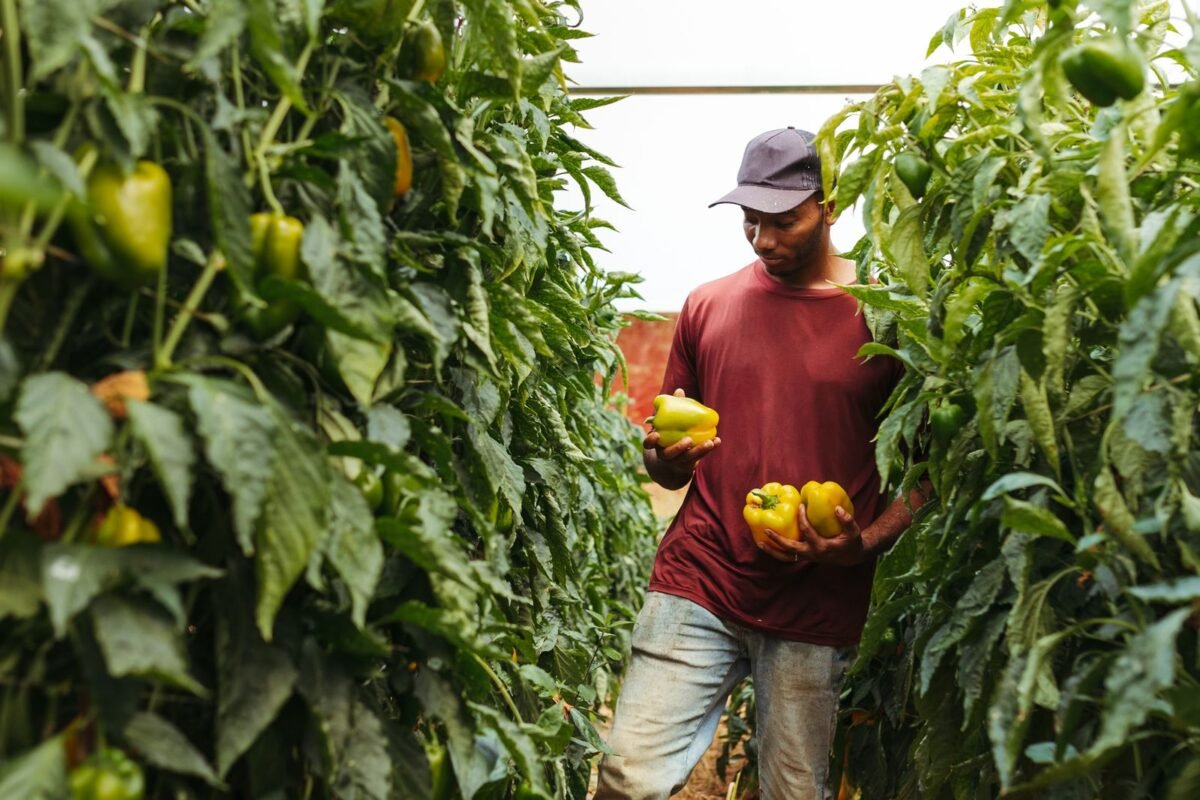
Capsicum — bell pepper, sold in Bangladesh in green, red and yellow — has become a serious crop for growers supplying supershops, hotels, restaurants and online grocers. Much of it is grown under polyhouse or net-house protection, and coloured capsicum in particular commands a price that rewards careful handling. It also punishes careless handling. A capsicum that looked perfect at harvest can arrive at a Dhaka supershop shrivelled, pitted or rotting at the calyx, and in most cases the cause is not the farm but the days between harvest and shelf.
This guide covers the postharvest behaviour of capsicum and how to build a cold chain for it in Bangladesh: harvest timing, the cooling step most growers skip, the temperature trap that catches people who simply put peppers in the coldest room available, humidity, packing and transport.
How capsicum behaves after harvest
Capsicum is a non-climacteric fruit: it does not ripen significantly after picking in the way mango or banana does, and it produces relatively little ethylene. Its quality after harvest is mainly lost in three ways — water loss, which makes the fruit soft and wrinkled; decay, especially around the stem and at any wound; and chilling injury when it is stored too cold. Because it is a hollow fruit with a thin wall relative to its volume, water loss shows quickly as softness. That is why humidity matters for capsicum as much as temperature does.
The chilling injury trap
Capsicum originated in warm climates and is chilling-sensitive. Stored below its safe range, it may look fine in the cold room but develop symptoms after it is taken out: sunken pits on the skin, a water-soaked look, discoloured calyx and seeds, and rapid decay once it warms up. The damage depends on how cold and for how long. This is the same problem described in our guides for tomatoes and lemons and citrus.
Widely used postharvest references, such as the USDA’s handbook on commercial storage of fruits and vegetables, place recommended capsicum storage in a cool range well above freezing — roughly the high single digits to low teens Celsius — with high relative humidity. That is warmer than a typical vegetable cold store set for leafy greens or carrots. The practical lesson is that capsicum should not simply share a room with produce that needs near-zero temperatures. Confirm the exact setpoint for your varieties and storage duration with your agronomist or the crop’s seed supplier.
Harvest and field handling
- Harvest with a cut, not a pull. Pulling tears the stem area and creates wounds where rot starts. Use clippers and leave a short, clean stem.
- Pick at the right stage. Green capsicum is harvested mature-green and firm; coloured capsicum is picked when it has reached the colour required by the buyer. Fruit picked too early for colour may not finish colouring evenly.
- Pick in the cooler part of the day and keep harvested fruit in shade immediately; field heat accumulates fast inside a polyhouse.
- Use clean plastic crates, not sacks, so fruit is not crushed and air can move around it.
- Keep fruit dry. Washing or packing wet fruit spreads decay organisms; if fruit must be cleaned, it must be dried before packing.
Pre-cooling: the step most growers skip
Fruit arriving from a hot polyhouse carries a lot of heat. Putting crates straight into a cold room or a reefer truck relies on that room to remove field heat slowly, during which the fruit continues to lose water. Pre-cooling removes field heat quickly before storage. Forced-air cooling — pulling cool air through stacked crates with a fan and tarp arrangement — is well suited to capsicum. Hydrocooling is used for some vegetables but adds moisture that must be managed carefully for peppers. Our guide to pre-cooling methods explains the options, and pack house design shows where pre-cooling fits in a collection centre.
Humidity and packing
Because water loss is the main enemy, capsicum stores best at high relative humidity. In a small cold room, that can be difficult: evaporator coils dry the air as they cool it, especially if the coil runs much colder than the room. A well-chosen evaporator with adequate coil surface and a modest temperature difference keeps humidity higher. See humidity control in mini cold storage.
Packaging can help too. Perforated plastic liners inside crates or cartons, or perforated film wraps for retail packs, slow water loss while allowing some air exchange. Unperforated, tightly sealed bags can trap condensation when fruit warms, which promotes decay. For supershops, consumer packs of mixed colours are common; packing them in a cool room rather than a hot shed reduces condensation inside the film.
Grading and sorting before storage
Storage does not improve fruit; it only slows its decline, so what goes into the cold room determines what comes out. Sort capsicum before it is stored or dispatched: remove fruit with cracks, sunscald, insect damage, soft spots or damaged stems, because these are where decay begins and spreads to neighbouring fruit in the crate. Grade by colour stage and size according to what your buyers ask for — supershops and hotels often have specific expectations for shape, colour uniformity and weight per piece. Doing this sorting in a shaded, cool area, and handling fruit gently, avoids bruises that only show days later.
Checking quality during storage
Even at the right setpoint, stored capsicum should be checked regularly rather than left until dispatch. Look for softening, wrinkling at the shoulders, any pitting, and mould at the stem end, and remove affected fruit promptly. A simple temperature and humidity logger in the room shows whether the conditions you set are the conditions the fruit actually experiences, including during door openings and defrost cycles. Follow first-in, first-out so that older stock leaves first; our guide to FIFO and FEFO explains how to organise that in a small store.
Storing capsicum with other produce
Capsicum is often handled alongside tomatoes, cucumbers, broccoli and leafy vegetables because the same buyers want all of them. These crops do not share ideal conditions. Leafy greens and broccoli want temperatures close to zero; capsicum, cucumber and tomato would suffer chilling injury there. If you run one cold room, set it for the crop you hold longest and limit the time chilling-sensitive crops spend in it, or build a multi-chamber mini cold storage with separate setpoints. Our guide to leafy greens and salad vegetables covers the colder end of the range.
Transport to Dhaka buyers
For growers outside Dhaka, the journey is often the weakest link. An open truck in daytime heat can undo careful harvest and cooling in a few hours. Insulated or refrigerated vehicles, night travel, and loading pre-cooled crates directly into a vehicle that is already at temperature all help. A reefer truck set too cold for leafy vegetables will chill-injure capsicum on the same load, so agree the setpoint with the transporter. See refrigerated transport in Bangladesh and last-mile cold chain in Dhaka.
Common mistakes
- Storing in the coldest available room — fruit looks fine, then pits and rots on the shelf.
- Pulling fruit from the plant — stem-end rot.
- Packing wet or warm — condensation and mould inside cartons.
- Dry cold rooms — shrivelled fruit after a few days even at the right temperature.
- Breaking the chain — fruit cooled at the farm, then left on a hot loading bay.
DE International supplies mini cold rooms, pre-cooling fans, evaporators and refrigeration equipment from China for growers, aggregators and retailers, with door-to-door delivery and installation support. The right setup depends on your volumes, crops and site — ask us for a quote built around your needs. See our services, the China sourcing agent service, the shop, or contact us. Related: reducing post-harvest loss.
