
Import & Export Guides
Plastic Recycling Machine Price in Bangladesh: Machines You Need for a Dana Business
Oct
To start a plastic recycling (dana) business in Bangladesh you need, at minimum, a crusher or shredder, a washing system, a dryer and a pelletizing extruder that turns clean flakes into granules (dana). Some businesses stop at clean flakes and sell those; others go all the way to coloured pellets for local moulding factories. The plastic recycling machine price in Bangladesh depends on which plastic you recycle (PET bottles, PP/HDPE, or film), how dirty your input is and your daily tonnage. DE International sources complete lines from Chinese manufacturers and delivers them door-to-door; ask us for a current quote built around your material.
What machines a plastic recycling business needs
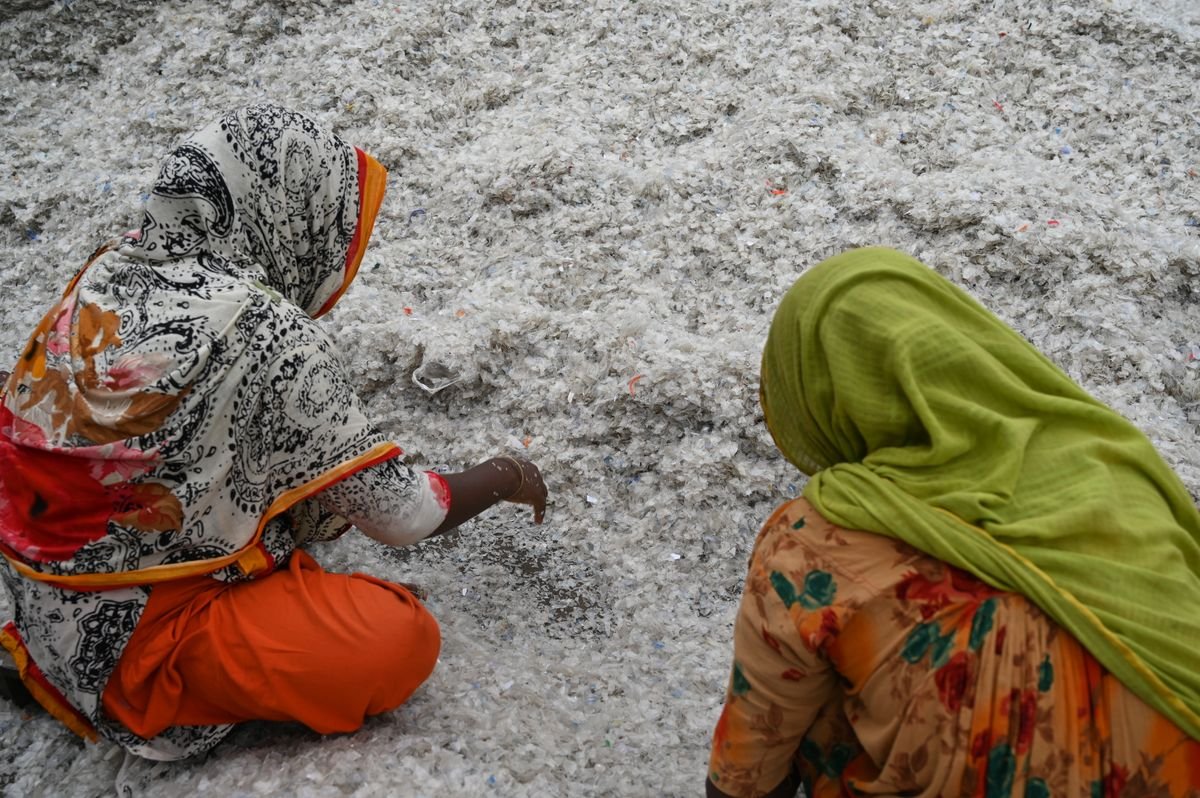
Recycling plants in Dhaka, Chattogram and Narayanganj grew up around collection networks that sort plastic by hand. The machines take over once the plastic is sorted by type and colour. The basic sequence is the same for most plastics:
- Sorting. Usually manual in Bangladesh: by polymer (PET, PP, HDPE, LDPE film) and by colour. Mixing polymers ruins the pellets, so this step decides your product quality.
- Size reduction. A crusher (granulator) cuts bottles and rigid items into flakes; a shredder handles bulky or tough items before the crusher.
- Washing. A sink-float tank separates PET (sinks) from PP/PE caps and labels (float). A friction washer scrubs off dirt. PET bottle lines often add a hot-wash tank with detergent to remove glue and oil.
- Dewatering and drying. A centrifugal dewatering machine spins water out, then hot-air pipes or a dryer finish the job. Wet flakes cause bubbles in pellets.
- Pelletizing. An extruder melts the flakes, a filter screen removes contamination, and the melt is cut into granules, either as strands cooled in water and chopped, or cut at the die face.
- Bagging. Granules go into bags by grade and colour, ready for sale to moulding and blowing factories.
PET bottle line vs PP/HDPE line vs film line
| Line | Typical input | Main machines | What to know |
|---|---|---|---|
| PET bottle flake line | Used water and soft drink bottles | Label remover, crusher, hot wash, friction washer, sink-float, dryer | Many plants sell clean PET flakes rather than pelletizing them |
| PP / HDPE rigid line | Buckets, crates, caps, containers | Crusher, washer, dryer, single-screw extruder pelletizer | Colour sorting decides the price your pellets fetch |
| Film line (LDPE / LLDPE) | Shopping bags, packaging film | Shredder or agglomerator, washer, squeezer dryer, pelletizer with degassing | Film is light and wet; drying and degassing matter more |
Decide the line first. A supplier who quotes “plastic recycling machine” without asking which polymer you will process is selling you a generic package, and the washing section is where generic packages fail.
What decides the plastic recycling machine price
- Throughput. Stated in kg per hour of input. Ask whether the figure is for clean flakes or dirty post-consumer plastic; dirty input slows everything.
- Washing section length. More tanks and a hot-wash stage cost more but produce flakes buyers pay more for.
- Extruder screw and filter. Screw diameter, L/D ratio, and whether the screen changer can be swapped without stopping the line.
- Blade steel. Crusher blades are a wear item; better steel lasts longer between sharpening.
- Power and water. Total connected load, three-phase supply, and how much water the wash line uses per hour.
- Automation. Conveyors and screw feeders between machines reduce labour but raise the price.
Because the price swings so much with these choices, we give quotes per line configuration rather than a single figure. Tell us your polymer, input condition and target daily output and we will build the comparison.
Water, power and environmental clearance in Bangladesh
Recycling is regulated industry in Bangladesh. Before you commit to a line, check three practical things:
- Environmental clearance. Recycling plants need clearance from the Department of Environment (DoE). The category and conditions depend on your process, so get advice before buying land or machines.
- Wash water. Wash water carries dirt, labels, glue and detergent. You will be expected to treat it rather than drain it into a canal. Ask the Chinese supplier about water recycling tanks and plan an effluent treatment arrangement.
- Electricity. An extruder heats continuously; frequent power cuts leave half-melted plastic in the barrel. Many plants plan a generator or schedule around load-shedding.
Sell washed flakes or make pellets
This is the biggest business decision in recycling, and it changes which machines you buy. Washed flakes need the sorting, crushing, washing and drying sections but no extruder. Pellets need everything plus the extruder, its heaters, cooling water and a skilled operator. Pellets usually sell for more per kg because the buyer can feed them straight into a moulding or blowing machine, but the extra step also adds electricity cost, labour and a new place where quality can go wrong.
Many new recyclers start by selling clean flakes to an established pelletizing plant, learn their collection and sorting system, and add an extruder once their flake quality is steady. Others start with pellets because they already have a moulding factory as a buyer. Talk to the people who will buy your output before you choose; ask what they reject and why, because that tells you which part of the line deserves the money.
Questions to ask a Chinese recycling line supplier
- Which polymer and what input condition was the throughput figure measured on?
- Can you run a test with plastic similar to mine and send the video and the resulting flakes or pellets?
- How much water does the wash section use, and is a water recycling tank included?
- What is the total connected power, and which motors start together at switch-on?
- Which parts wear fastest, and what is in the spare parts kit?
- Will a technician come for installation, or will you support by video call? Who pays travel?
- What is the layout length of the full line? (Lines are long; measure your shed first.)
Common mistakes when starting a dana business
- Mixed polymers. A few PVC bottles in a PET batch can spoil pellets. Train sorters and spot-check.
- Skipping the dryer. Moisture causes bubbles and brittle pellets that buyers reject.
- Underestimating the wash line. Cheap lines with one tank produce dirty flakes that only sell at the lowest grade.
- No spare blades and screens. These wear weekly; keep a stock.
- Buying used lines blind. Second-hand recycling lines are common in China, but clearing used machinery in Bangladesh has its own rules; read used machinery customs clearance first.
How DE International helps
We match you with Chinese recycling-line builders in Jiangsu and Zhejiang that make lines for your polymer, ask for test runs with material similar to yours, compare full-line quotes, inspect before shipping, and handle the door-to-door shipping of heavy machinery and C&F. If you later want to mould your own products from the pellets, see our guide to injection molding machines. For freight costs, use decl.bd.
FAQ
What machines do I need to start a plastic recycling business in Bangladesh?
A crusher or shredder, a washing system, a dryer and a pelletizing extruder. Some businesses sell washed flakes and skip pelletizing.
What is the plastic recycling machine price in Bangladesh?
It depends on the polymer, input condition, throughput and how complete the wash line is. Ask us for a current quote for your configuration.
Which plastic is best to start recycling?
It depends on what you can collect steadily. PET bottles and rigid PP/HDPE are common starting points because they sort and wash more easily than film.
Do I need environmental clearance for a plastic recycling plant?
Yes, recycling plants need clearance from the Department of Environment. Take advice on your category before you buy.
Who can import a plastic recycling line from China for me?
DE International sources complete recycling lines and delivers them door-to-door. WhatsApp +880 1750-859967.
See all our import services, browse the shop, read about our China sourcing and buying agent service, or contact us. WhatsApp: +880 1750-859967.
