

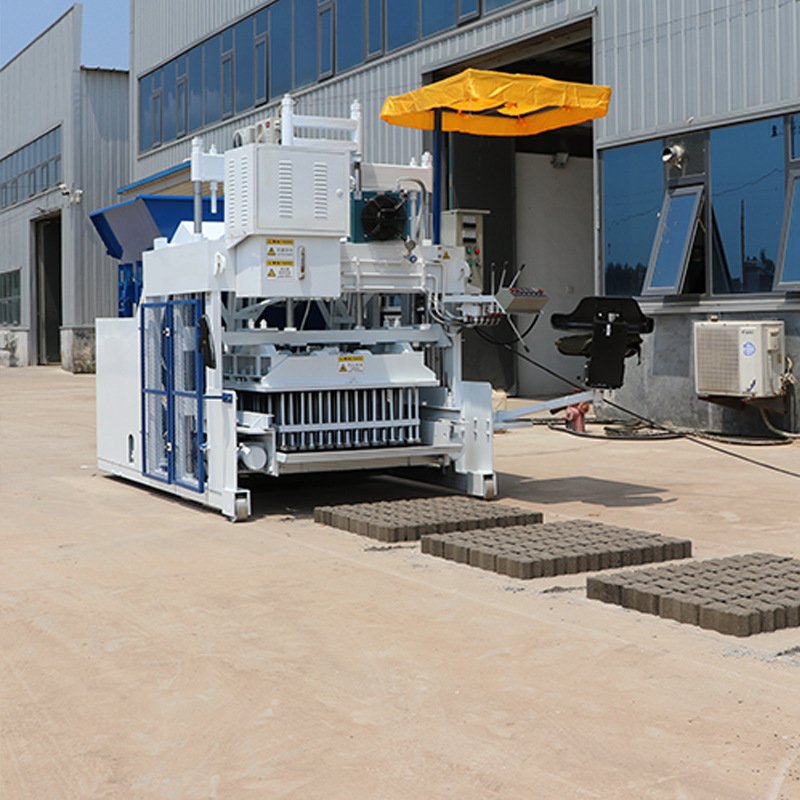
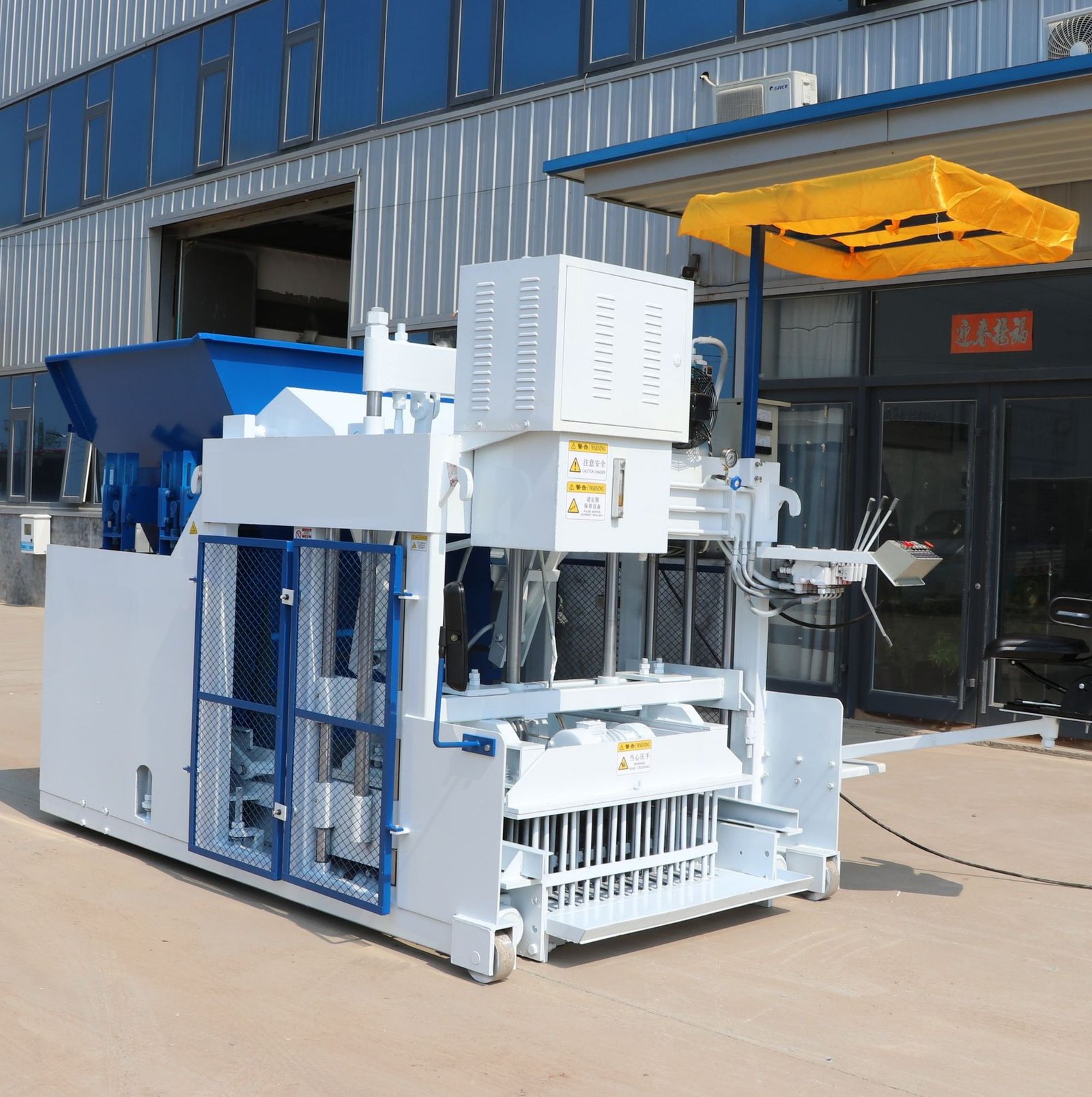
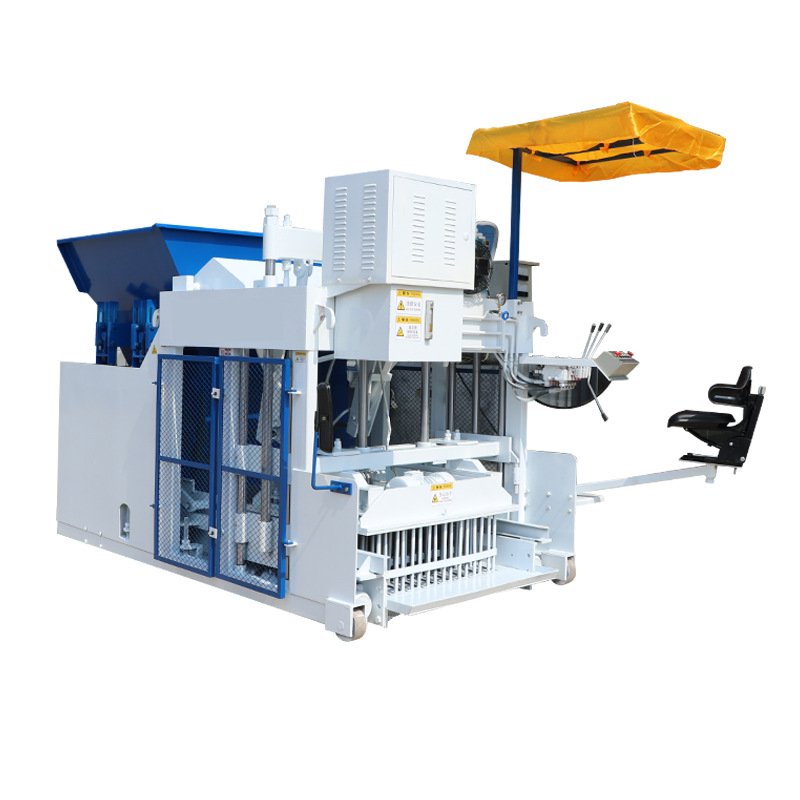
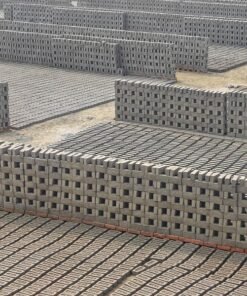
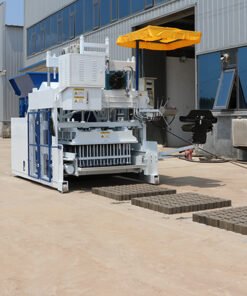
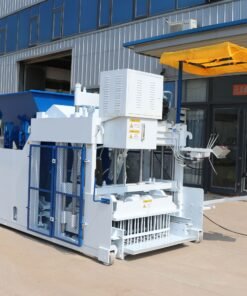
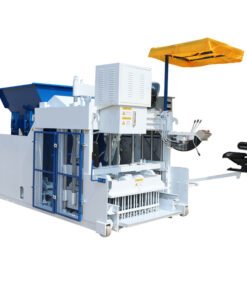
Hydraulic Semi-Automatic Mobile Brick & Hollow Block Making Machine

Import this from China to Bangladesh — sourcing, freight & customs handled, no trade license needed. Send your inquiry below and we will reply with an all-in price.
Inquiry for: Hydraulic Semi-Automatic Mobile Brick & Hollow Block Making Machine
Bangladesh’s construction sector is shifting toward fly ash and concrete bricks as an alternative to traditional clay-fired bricks — cheaper to produce, lighter on the environment, and not dependent on topsoil or kiln fuel. A hydraulic brick making machine is the equipment that makes this shift possible at a commercial scale: it compresses fly ash, cement, sand, and stone dust into dense, uniform bricks and blocks using hydraulic pressure instead of firing. DE International sources hydraulic brick making machines directly from manufacturers in China, verifies the factory in person, and manages freight and customs so the machine reaches your site ready to install.
What This Machine Is
A hydraulic brick making machine (also called a block press or brick and block machine) uses a hydraulic ram to compress a mix of raw materials — commonly fly ash, cement, sand, stone dust, or lime — inside steel molds under high pressure. The compressed blocks are then ejected and cured, typically for several days, before they reach full strength. Unlike a clay brick, which needs a kiln and firing, a hydraulic-pressed block cures at ambient conditions, which cuts fuel cost and production time dramatically. Machines range from small manual-hydraulic units producing a few hundred bricks a day, to fully automatic lines producing thousands of blocks per shift.
Who Should Buy This Machine
- Construction material suppliers starting or expanding a concrete/fly ash brick production business
- Real estate developers who want to produce their own bricks in-house for large projects, reducing material cost and supply risk
- Existing clay brick kiln owners looking to diversify into fly ash or concrete blocks as environmental pressure on traditional kilns increases
- Government and NGO infrastructure projects that specify eco-friendly or non-fired brick materials
- Entrepreneurs entering the construction materials sector, where demand is steady and not seasonal in the way agricultural equipment can be
Industries & Applications
The core industry is construction and building materials, but the machine serves several distinct buyer types within it:
- Residential and commercial construction — standard solid and hollow blocks for walls and structures
- Road and pavement work — interlocking paver blocks for footpaths, driveways and courtyards (with the right mold set)
- Boundary walls and low-cost housing — hollow blocks are lighter and faster to lay than solid clay brick
- Government infrastructure and NGO housing programs that specify fly ash or non-fired brick to reduce environmental impact
Bangladesh’s brick sector has traditionally relied on clay-fired kilns, but fly ash and concrete brick demand is growing as construction activity increases and environmental scrutiny of traditional kilns intensifies. This machine positions a buyer to serve that shift rather than compete purely on traditional clay brick, where competition and regulation are both tougher.
Production Capacity Options
Hydraulic brick machines are available across a wide capacity range, and the right one depends on your target daily output and budget:
| Machine class | Typical use case |
|---|---|
| Manual-hydraulic (mobile/semi-automatic) | Small operations, on-site production, lower upfront investment |
| Semi-automatic stationary | Medium-volume producers supplying local construction, moderate labor requirement |
| Fully automatic production line | Higher-volume commercial producers supplying multiple sites or distributors |
Common automatic hydraulic block machines in this category produce in the range of several hundred to around a thousand blocks per hour depending on block size and configuration — but exact throughput depends heavily on block size, mold cavity count and mix design, so treat any number as a starting point for discussion, not a guarantee, until it’s confirmed against your specific configuration.
What to Confirm Before You Order
Rather than quote generic specifications that may not match your production plan, we confirm the machine configuration against your actual requirement before sourcing. Have these ready when you request a quote:
| Specification | Why it matters |
|---|---|
| Target daily/hourly output | Determines whether a manual, semi-automatic or fully automatic machine fits your plan |
| Block/brick type and size | Solid block, hollow block, or interlocking paver each need a different mold set |
| Raw material mix | Fly ash, cement, sand or stone-dust ratios affect mold pressure and curing needs |
| Power supply | Confirm voltage/phase compatibility with your site’s electrical supply |
| Site space and curing area | Automatic lines need space for the machine, raw material storage, and a curing yard for finished blocks |

Machine Configurations & Optional Customizations
- Mold changes — solid block, hollow block, and interlocking paver molds can often be swapped on the same base machine
- Automation level — manual feeding vs automatic feeding and stacking, which changes labor requirements and output consistency
- Mixing integration — standalone press vs a press integrated with a mixer and conveyor for continuous production
- Curing & stacking systems — automatic block-stacking and pallet systems for higher-volume lines
Confirm which of these your operation actually needs — a fully automatic line with stacking is a different investment and footprint than a semi-automatic press, and the right choice depends on your labor cost, space, and volume target.
Main Features
- Hydraulic pressing system — consistent pressure application for uniform block density
- Interchangeable molds — produce multiple block types on one machine
- Steel frame construction — built to withstand continuous high-pressure cycling
- Vibration assist (on many models) — improves material compaction and block strength

Benefits & Advantages Over Alternatives
| Traditional Clay-Fired Brick | Hydraulic-Pressed Fly Ash/Concrete Brick | |
|---|---|---|
| Fuel/energy cost | Requires kiln firing — significant fuel cost | Cures at ambient conditions — no firing fuel needed |
| Raw material | Topsoil/clay, an increasingly regulated resource | Fly ash, sand, cement, stone dust — often industrial by-products |
| Production time | Days of firing plus cooling | Press and cure — typically faster to usable strength |
| Environmental impact | Higher — topsoil loss, kiln emissions | Lower — often uses industrial waste material |
Buying Considerations
- Size the machine to your realistic 12-month output, not your best-case forecast. An oversized automatic line adds cost, maintenance and labor complexity a smaller operation doesn’t need yet.
- Budget for molds separately. Different block types need different molds, and mold wear over time is a real ongoing cost to plan for.
- Confirm raw material availability locally. Fly ash sourcing and consistent quality affects your finished block strength as much as the machine does.
- Ask about hydraulic component brand and warranty. The hydraulic pump and cylinder are the components most likely to need service — ask what’s fitted and what support is available.
- Plan your curing yard space before the machine arrives — this is often underestimated and can bottleneck production even with a fast press.
Factory Selection Advice
This is where buyers most often lose money on machinery this complex. A hydraulic press with a weak pump or an undersized frame will underperform or fail early, and the difference is rarely visible in photos or a short video call. We verify the manufacturer in person — confirming it’s a real factory (not a reseller), checking the actual production and, where relevant, prior units in operation — before you commit a deposit. This is the core of our factory verification service, and it matters more on capital equipment like this than on almost any product in our catalog.
Quality Inspection Recommendations
Before the machine ships, we recommend — and can arrange — a functional test run: the press cycling under load, ideally with a sample of your actual raw material mix, not just a static inspection. Our quality inspection service checks this, along with weld quality on the frame, hydraulic system function, and mold fit, before your balance payment is released. For equipment this expensive to ship and reship, catching a problem in the factory is the difference between a minor fix and a very costly one.
Packaging & Shipping Options
Hydraulic brick machines are heavy, and shipping method depends on the configuration you order:
- Sea freight is the standard method for this equipment given its weight — typically shipped in a container, with the machine secured and often partially disassembled for safe transit
- Export crating protects the hydraulic components and control panel during the sea voyage and port handling
- Consolidation is possible if you’re also importing molds, spare parts, or other equipment in the same shipment
Freight, customs clearance and delivery to your site are handled through our full import support service, including a door-to-door option with no trade license required if you’re not yet registered to import commercially.
Installation & After-Sales Considerations
Before ordering, ask the factory (or ask us to confirm on your behalf) what installation support is included — some manufacturers provide setup documentation and remote video support, others offer more. Confirm what spare parts are recommended to keep on hand (seals, hydraulic hoses, mold wear parts) and how they would reach Bangladesh if needed later. This is worth settling before you order, not after the machine arrives.
Related Machinery
- Browse all industrial machinery
- Agro machinery — for construction-adjacent equipment like excavators
Related Services
Related Buying Guides
- How to Find a Reliable Supplier in China
- AQL Explained: How Many Defects Are Acceptable?
- Trade License vs No-License Import: Cost Comparison
- Complete Guide to Importing from China to Bangladesh
Frequently Asked Questions
What raw materials can this machine use?
Common mixes include fly ash, cement, sand and stone dust, though the exact ratio depends on the block type and strength you need. We confirm the mix design compatibility as part of sourcing.
How many bricks can the machine produce per hour?
Output depends heavily on machine class, block size and mold cavity count — manual and semi-automatic machines produce less than fully automatic lines. Tell us your target output and we’ll match the right configuration.
Can one machine produce different block types?
Many hydraulic press machines accept interchangeable molds for solid blocks, hollow blocks and interlocking pavers on the same base unit — confirm this with your specific model.
Do you inspect the machine before it ships?
Yes. Our quality inspection service includes a functional test run under load before shipment, which matters far more on equipment this complex and expensive to reship than a visual check alone.
Can I import this without a trade license?
Yes — through our door-to-door import service we can clear the shipment under our own documents and deliver to your site.
What ongoing costs should I plan for beyond the machine price?
Budget separately for molds (which wear over time), raw material sourcing and testing, curing yard space, and hydraulic spare parts such as seals and hoses.
Be the first to review “Hydraulic Semi-Automatic Mobile Brick & Hollow Block Making Machine”
Related products
Industrial Machine
Automatic 5-Head Hose Filling & Ultrasonic Tail-Sealing Machine

Industrial Machine
Automatic Bath Towel Folding & Packaging Machine for Hotels and Laundries
Industrial Machine
Industrial Machine
Secondary Structural Column Concrete Pump – Fine-Stone Pouring & Transfer

Industrial Machine
Reviews
There are no reviews yet.