
Import & Export Guides
Warehouse Handling for Bulk Import Consolidation
Jul
Importers sourcing from multiple suppliers often end up with several smaller shipments arriving at different times. A warehouse that supports consolidation turns this into a more manageable, cost-efficient process.
Why Consolidation Helps
- Fewer, larger onward deliveries instead of many small, costly individual trips
- A single point to inspect and organize stock from multiple suppliers before distribution
- More efficient use of transport, since loads can be planned around full truck or container capacity
What a Facility Needs to Support This Well
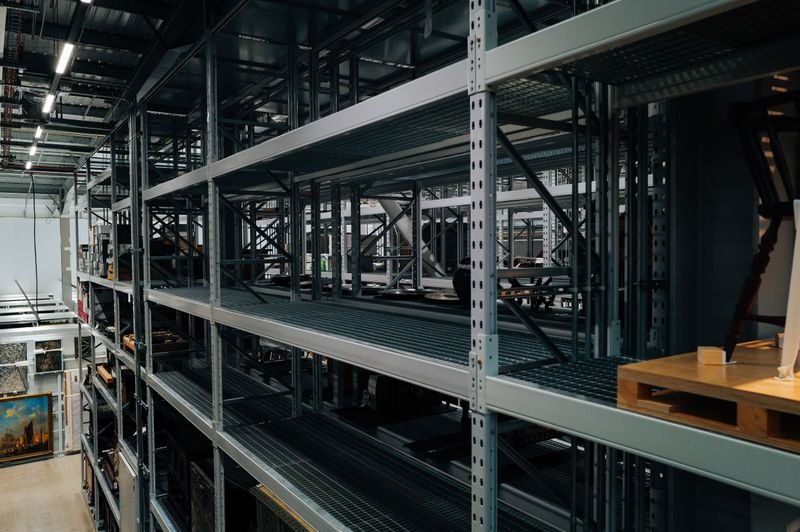
Consolidation works best with a facility that has enough floor space to receive and sort multiple incoming shipments without cross-contamination or mix-ups, along with clear inventory tracking so nothing gets lost between arrival and onward dispatch.
When This Makes Sense for Your Business
If you’re regularly receiving from more than one or two suppliers, or importing in smaller batches throughout the month rather than one large shipment, consolidation is worth discussing — it often reduces total logistics cost even after the warehousing fee.
Contact us to see whether consolidation warehousing fits your import pattern.
Prefer to talk it through?
✉ Chat on WhatsAppFrequently Asked Questions
How does warehouse handling help with bulk import consolidation?
See the guide above for why consolidation reduces cost for multi-supplier orders.
What does a facility need to support consolidation well?
See the requirements above for what a capable facility needs to handle consolidated cargo properly.
When does consolidation make sense for my business?
See the guide above for the volume and supplier-count signals that make consolidation worthwhile.
