
Import & Export Guides
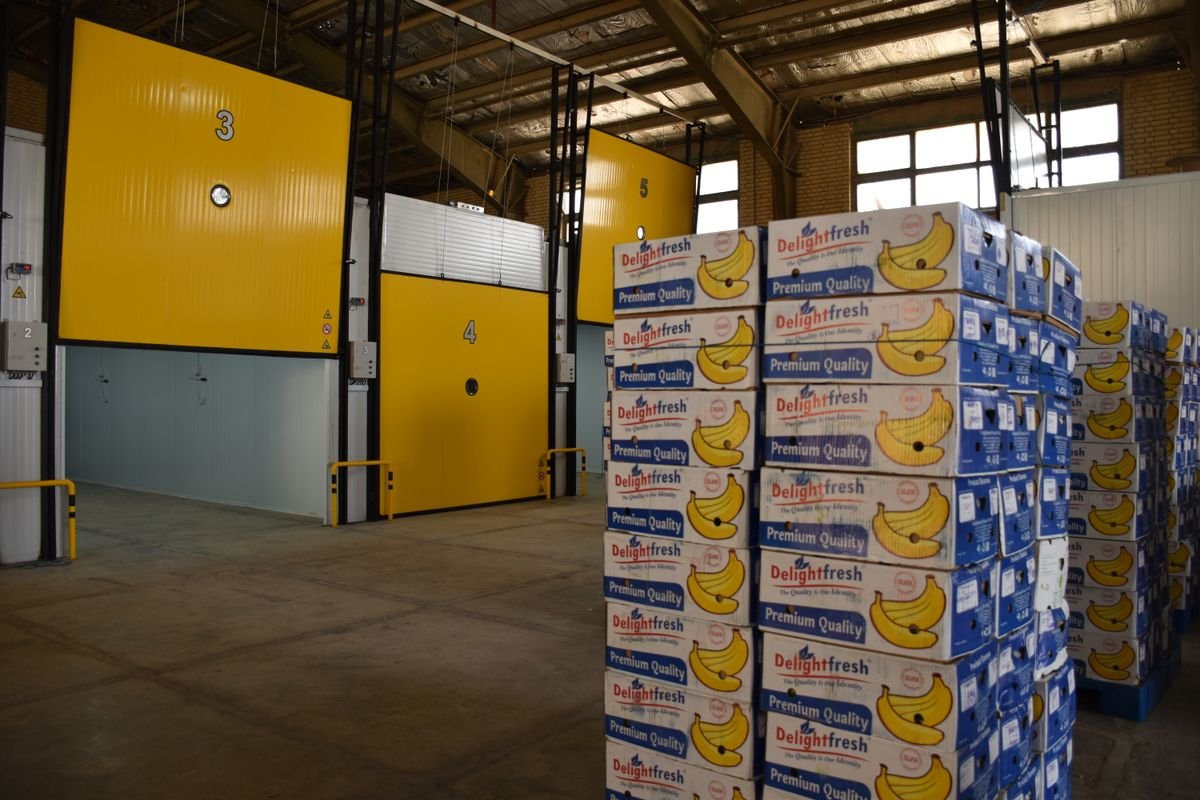
Mini Cold Storage Doors, Panels and Shelving Explained
Jul
From the outside, most mini cold storage rooms look similar. The real differences that affect how well a room performs and how easy it is to use are in the parts: the panels, the door, and the shelving inside. This guide explains each in plain terms, so you can ask informed questions before you order.
Last updated: August 2026. Written by the DE International sourcing team — we run our own teams in China and Bangladesh, inspect cold storage units before they leave the factory, and handle customs clearance on arrival in Bangladesh.
Insulated Panels
The walls, floor and ceiling are built from insulated panels — a core material sandwiched between metal skins. Thicker panels hold temperature better and cope better with Bangladesh heat, but also cost more and take up more of the building footprint. The right thickness depends on your temperature and site, so we match it to your plan rather than a fixed number.
The Door
| Door Type | Best For |
|---|---|
| Hinged | Smaller rooms, simple and common |
| Sliding | Heavy trolley traffic or tight space in front of the doorway |
| PVC strip curtain add-on | Doorways opened very frequently, to cut air loss |
The door is the part opened most often, so it takes the most wear:
- Hinged doors are simple and common for smaller rooms.
- Sliding doors suit rooms with heavy trolley traffic or tight space in front of the door.
- Door seals matter as much as the door itself — a worn seal leaks cold air and raises running cost.
- PVC strip curtains can be added at a doorway to cut air loss when the door is opened often.
Shelving and Racking
- Fixed shelving suits a room with a stable, predictable product range.
- Adjustable racking suits a room that stores different products or box sizes over time.
- Mobile racking can increase usable space in a small room by removing fixed aisles — useful where every square foot counts, as covered in our sizing guide.
- Floor clearance under the bottom shelf helps airflow and hygiene.
Common Mistakes
- Choosing panel thickness on price alone. Thinner panels cost less upfront but raise running cost and struggle more in Bangladesh heat — weigh the full picture, not just the initial quote.
- Underrating door seal quality. A worn or poor-quality seal quietly leaks cold air every day, adding up to real wasted electricity cost over time.
- Fixed shelving for a changing product range. If what you store is likely to change, adjustable racking is worth the modest extra cost over fixed shelving.
How DE International Specifies These Parts for You
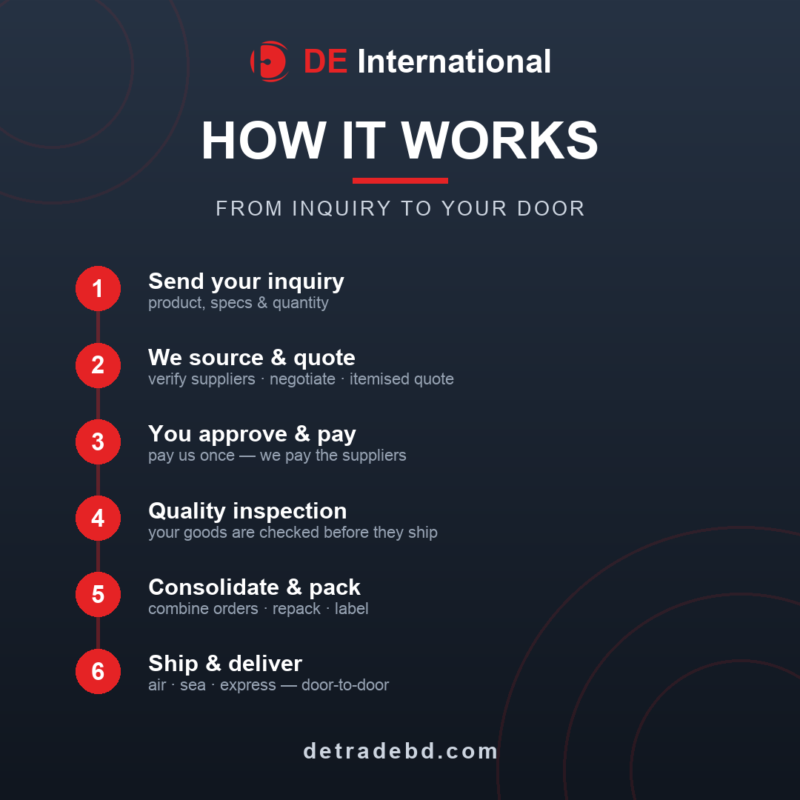
DE International works out the panel thickness, door type and shelving layout with you before sourcing the room from a factory in China, checks the build quality, and ships and clears it into Bangladesh. Read our mini cold storage buyer’s guide for the fundamentals. See also our maintenance guide and our guide to container cold room conversions.
Frequently Asked Questions
How thick should the insulation panels be?
It depends on your target temperature and site conditions — freezer rooms and hotter sites generally need thicker insulation than chiller rooms in more moderate conditions. We match panel thickness to your specific plan rather than a fixed default.
Should I choose a hinged or sliding door?
Hinged doors suit smaller rooms with lighter traffic; sliding doors work better where trolleys move in and out frequently or space in front of the doorway is limited.
Is adjustable racking worth the extra cost over fixed shelving?
If your stored product range is likely to change over time, yes — the flexibility usually pays for itself versus having to retrofit fixed shelving later.
Can these components be inspected before the room ships?
Yes — pre-shipment inspection can cover panel quality, door seal integrity, and shelving/racking build before the unit leaves China.
Tell us what you want to store and roughly how much, and we will come back with the right cold-room option and a full landed-cost quote. See our services, our China sourcing and buying agent service, or contact us. You can also browse our shop for other machinery we source.
Prefer to talk it through?
✉ Chat on WhatsApp for a Quote