
Import & Export Guides
Container Cold Room: Converting a Shipping Container into a Mini Cold Storage
Jul
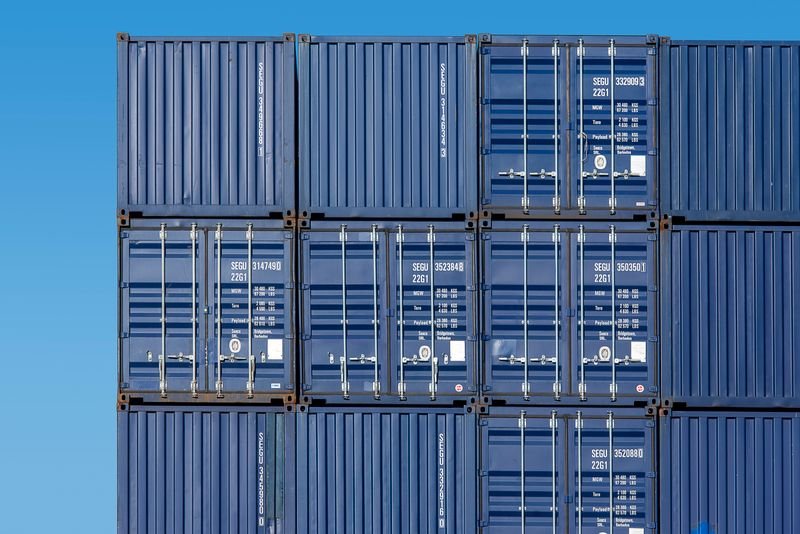
A shipping container is a ready-made box: strong, weatherproof, and easy to move by truck. That is why converting one into a cold room — a container cold room — has become a practical route for businesses that want cold storage without constructing a building around it. This guide explains how it works and how DE International sources one from China.
Last updated: August 2026. Written by the DE International sourcing team — we run our own teams in China and Bangladesh, inspect cold storage units before they leave the factory, and handle customs clearance on arrival in Bangladesh.
Who Should Consider a Container Cold Room
- Businesses needing storage fast, without a construction timeline
- Sites without an existing building suited to a panel-room installation
- Businesses that may relocate or need portable capacity
- Temporary or seasonal operations needing cold storage for a defined period
Container Cold Room vs. Standard Panel Room
| Container Conversion | Standard Panel Room | |
|---|---|---|
| Deployment speed | Faster — structure already exists | Slower — built on site |
| Portability | Can be relocated by truck | Fixed installation |
| Site requirements | Just needs a level hard standing | May need a dedicated building or room |
| Best for | Fast deployment, possible relocation, tight sites | Permanent, larger, or purpose-built installations |
Why Use a Container as a Cold Room
- Fast to deploy: the structure already exists, so the work is fitting it out rather than building it.
- Portable: a container can be relocated by truck if your site changes.
- Strong and weatherproof: a steel container handles the outdoors well.
- Useful where space is tight: it sits on a hard standing without needing a new structure.
What Goes into the Conversion
- Insulated lining: panels fitted to the interior walls, floor and ceiling.
- A refrigeration unit mounted to hold the container at chiller or freezer temperature.
- An insulated door in place of or alongside the original container doors.
- Shelving or racking fitted to use the interior space well — see our guide to doors, panels and shelving.
What to Check Before You Order One
- Container condition: a sound, rust-free container makes a better base for insulation.
- Site preparation: a level, solid base for the container to sit on.
- Power supply: confirmed voltage and phase for the refrigeration unit, with backup for load-shedding — see our note on solar-powered cold storage.
- Access: enough clearance for a truck to deliver and position the unit.
We do not quote a size or price here because a container cold room is built to your product and volume — see the price factors to budget for and ask us for a real quote.
Common Mistakes
- Using a rusted or structurally compromised container. The container’s condition directly affects insulation quality and long-term durability — don’t cut corners here to save cost.
- Underestimating site prep. A container needs a genuinely level, solid base — an uneven site causes real problems over time.
- Assuming portability means no site planning. Even a portable unit needs power, access, and a prepared base at each location it’s used.
How DE International Sources Your Container Cold Room
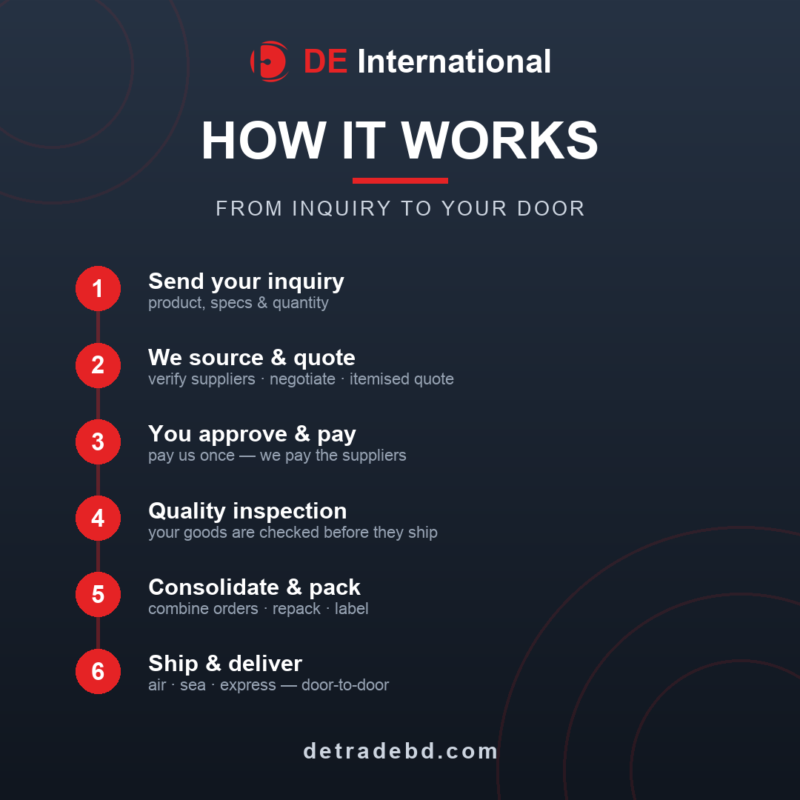
DE International can find manufacturers in China who build container cold rooms, get you a quote built around your size and temperature, check the build quality, and ship and clear the unit into Bangladesh. Read our mini cold storage buyer’s guide or how to start a cold storage business for the wider picture.
Frequently Asked Questions
Is a container cold room as good as a standard panel room?
For many uses, yes — with proper insulation and a quality refrigeration unit, a container conversion performs comparably. It particularly suits fast deployment or potentially portable needs; a purpose-built panel room may suit larger, permanent installations better.
Can a container cold room really be relocated later?
Yes, that’s one of its genuine advantages, though each relocation still needs a prepared, level site and power connection at the new location.
What condition does the container need to be in?
A sound, rust-free container makes the best base for insulation and long-term durability. Confirm container condition and grade as part of your specification when ordering.
Can the unit be inspected before it ships?
Yes — pre-shipment inspection can be arranged to confirm container condition, insulation quality, and refrigeration function before it leaves China.
Tell us what you want to store and roughly how much, and we will come back with the right cold-room option and a full landed-cost quote. See our services, our China sourcing and buying agent service, or contact us. You can also browse our shop for other machinery we source.
Prefer to talk it through?
✉ Chat on WhatsApp for a Quote