
Import & Export Guides
Solar-Powered Cold Storage: Cold Rooms That Beat Load-Shedding
Jun
A cold room only protects your stock while it has power, and load-shedding is a real risk in much of Bangladesh. Solar power is one way to keep a cold storage running through outages and to cut the running cost of a unit that works day and night. This guide explains how solar-powered cold storage works in plain terms, what to weigh up, and how DE International sources the cold room from China.
Last updated: August 2026. Written by the DE International sourcing team — we run our own teams in China and Bangladesh, inspect cold storage units before they leave the factory, and handle customs clearance on arrival in Bangladesh.
Who Should Consider Solar
- Businesses in areas with frequent or unpredictable load-shedding
- Rural or off-grid operations without reliable mains connection
- High-value stock operators where a single power failure would be costly
- Businesses wanting to reduce long-term running costs on a unit that operates continuously
Why Pair Solar with a Cold Room
- Protection from load-shedding: keep the room cold when the grid goes down.
- Lower running cost: a cold room runs around the clock, so cutting power use adds up over time — see our electricity cost guide for what actually drives that cost.
- Useful where the grid is weak: solar can support a cold store in areas with an unreliable supply.
- Cleaner power: less reliance on diesel for backup.
Power Setup Options
| Setup | How It Works | Best For |
|---|---|---|
| Grid only | Standard mains power, no backup | Areas with genuinely reliable grid supply |
| Grid + generator backup | Diesel generator covers outages | Occasional outages, lower upfront cost |
| Grid + solar hybrid | Solar reduces daytime grid draw and covers some outages | Frequent load-shedding, cost-conscious buyers |
| Full solar with battery | Solar plus battery storage runs independently | Off-grid or very unreliable grid areas |
How It Works, In Plain Terms
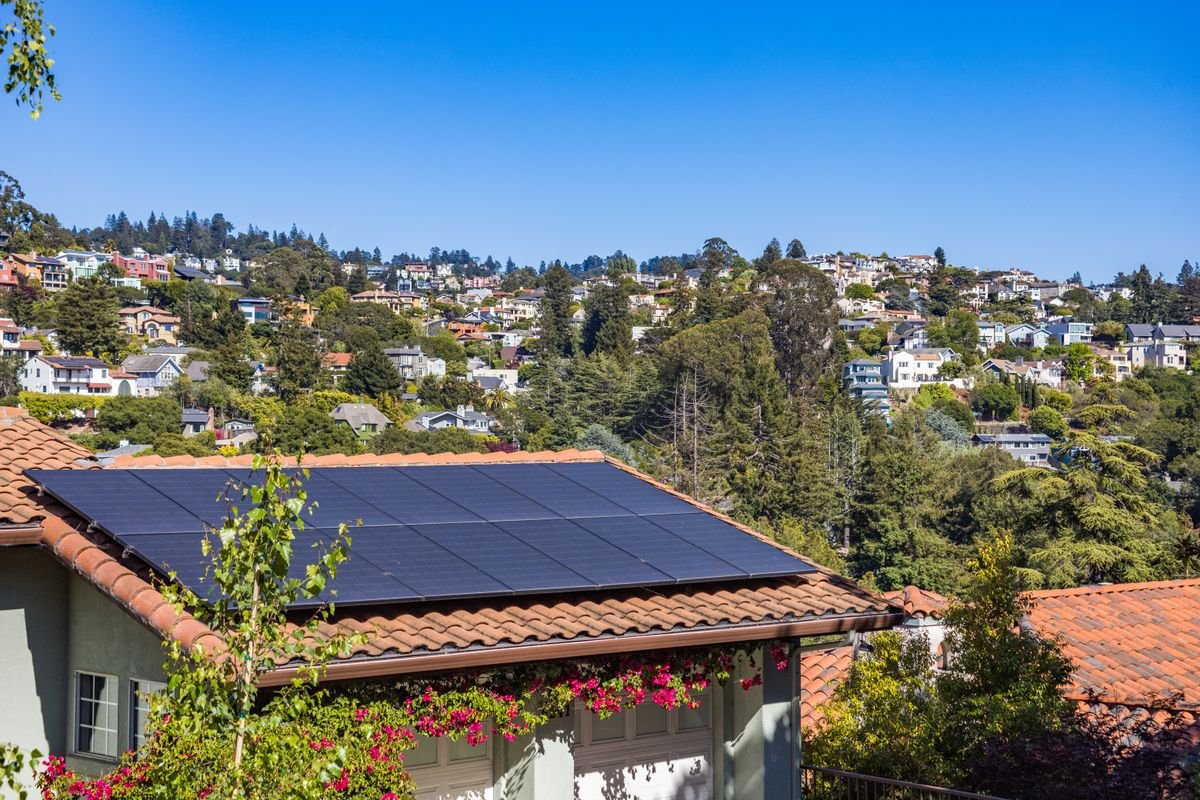
A solar setup uses roof or ground-mounted panels to generate power during the day. That power can run the refrigeration directly, charge batteries for use at night or during an outage, or work alongside the grid and a generator in a hybrid arrangement. The right mix depends on your room size, your location and how much backup you want, so we plan it around your site rather than promising a fixed result.
What to Weigh Up
- Your power need: the size and temperature of the room set how much energy it uses.
- Roof or ground space for the panels.
- How much backup you want: full solar, or solar plus grid and generator as a hybrid.
- Budget: solar adds up-front cost in exchange for lower running cost and outage protection.
Because every site is different, we do not quote panel wattage, savings or payback here — the honest answer comes from a plan built around your room and location. See the price factors for how this fits the wider budget.
Common Mistakes
- Going full solar without a genuine need. If your grid supply is actually reliable, a generator backup may be a lower-cost, sufficient solution.
- Undersizing the solar/battery system for actual refrigeration load. A cold room’s real power draw, especially a freezer, is higher than many buyers expect.
- Not accounting for roof/ground space constraints early. Confirm you have adequate panel space before committing to a full solar plan.

How DE International Sources Your Cold Room
DE International finds cold-room manufacturers in China, gets you a quote built around your size, temperature and power plan, checks the build, and ships and clears the unit to your site in Bangladesh. Tell us if you want a solar-ready or hybrid setup and we factor it in. Read the mini cold storage buyer’s guide or how to start a cold storage business for the full picture.
Frequently Asked Questions
Do I need full solar, or is a hybrid setup enough?
It depends on how frequent and severe your load-shedding is. Occasional outages may be well covered by a generator or hybrid solar setup; areas with very unreliable or no grid access benefit more from full solar with battery storage.
How much does solar add to the cost of a cold storage?
It varies significantly by system size and room power demand, so we don’t quote a generic figure. We build a specific plan and quote around your room size, location, and backup needs.
Can solar fully replace grid power for a cold room?
Yes, with adequate panel capacity and battery storage sized to the room’s power demand — this is common for genuinely off-grid or very unreliable-grid locations.
Can DE International help me plan the right power setup?
Yes — tell us your room size, location, and how much backup you want, and we’ll help plan a power setup matched to your actual situation rather than a generic recommendation.
Tell us what you want to store and roughly how much, and we will come back with the right cold-room option and a full landed-cost quote. See our services, our China sourcing and buying agent service, or contact us. You can also browse our shop for other machinery we source.
Prefer to talk it through?
✉ Chat on WhatsApp for a Quote