
Import & Export Guides
How to Start a Cold Storage Business in Bangladesh
Jun
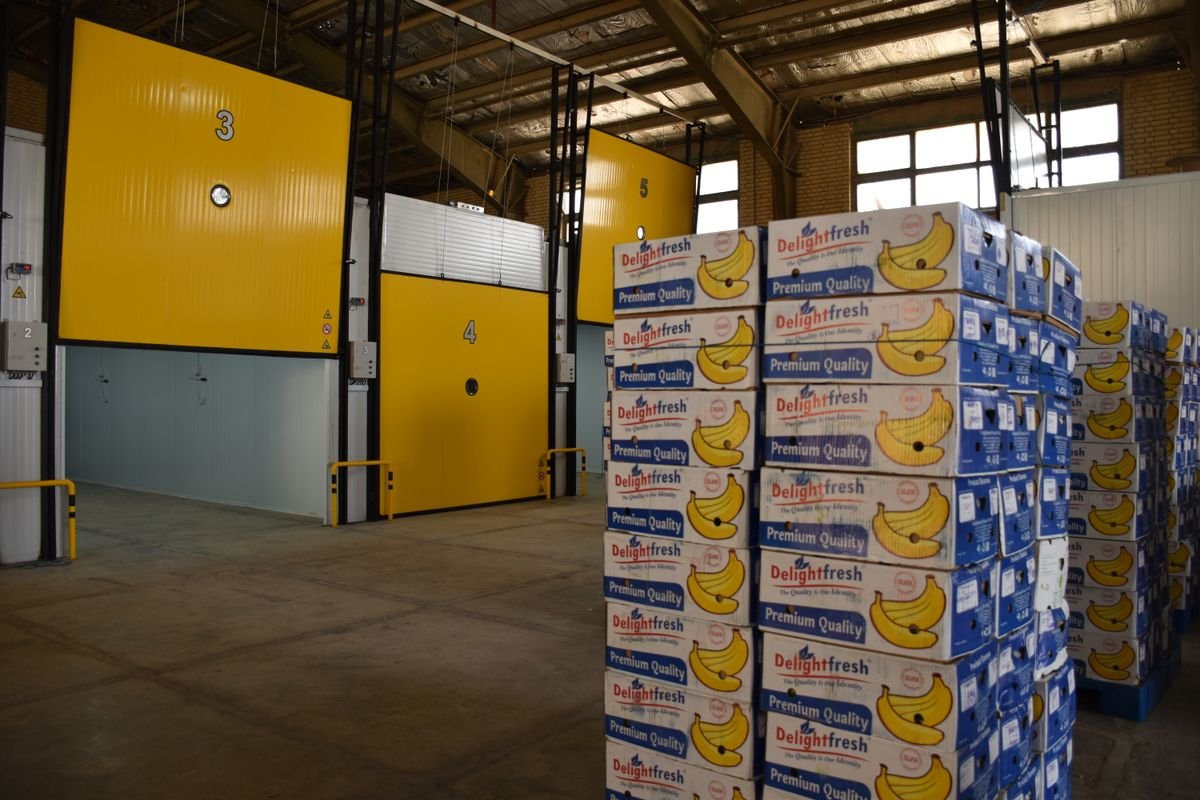
Cold storage is one of the steadier small-business ideas in Bangladesh. Every year a large share of the country’s fruit, vegetables, fish and dairy is lost to spoilage, and farmers, traders and shops will pay to keep stock fresh. A small cold storage lets you rent out chilled or frozen space, or protect your own produce, instead of watching it go to waste. This guide walks through how to start a cold storage business in Bangladesh and how DE International sources the cold room for you from China.
Last updated: August 2026. Written by the DE International sourcing team — we run our own teams in China and Bangladesh, inspect cold storage units before they leave the factory, and handle customs clearance on arrival in Bangladesh.
Who Should Consider This Business
- Entrepreneurs in agricultural or fishing communities with steady local demand for cold storage
- Farmers and traders who already handle perishable stock and want to add a rental income stream
- Existing warehouse or godown owners looking to add a higher-margin service
Why Cold Storage Is a Business Worth Looking At
- Year-round demand: perishable goods need cold space in every season, not just at harvest.
- It cuts waste: produce held in a cold room lasts days or weeks instead of hours.
- Many kinds of customer: farmers, traders, shops, restaurants and pharmacies all need cold space.
- It scales: start with one small room and add capacity as demand grows.
Is a Cold Storage Business Profitable in Bangladesh?
It can be, but profitability depends on confirming real demand before you build capacity, not on the business model alone. A rental cold store earns from other people’s stock, so its return depends on filling that space — talk to farmers and traders in your area first, not after the room is built. A captive store protects value you would otherwise lose to spoilage, so its payoff shows up as reduced waste rather than rental income. In both cases, the cost side is dominated by the equipment, power and load-shedding backup, and site access — get those right using our price factors guide and you are working from a realistic base rather than a hopeful one.
Rental vs. Captive: Which Business Model Fits?
| Rental Cold Store | Captive Store | |
|---|---|---|
| Customers | Multiple farmers/traders paying for space | Your own farm, shop, or factory output only |
| Revenue model | Ongoing rental income | Cost savings on your own spoilage |
| Risk | Depends on securing enough paying customers | Lower — tied to your existing business volume |
| Best for | Areas with many smallholders needing shared cold space | Businesses with predictable, steady perishable volume |
Decide What You Will Store and For Whom
This decision shapes everything else — the temperature, the size and the customers you serve:
- A rental cold store that hires out chilled or frozen space to farmers and traders.
- A captive store for your own farm, shop or factory output.
- A single-purpose room — potatoes and vegetables, for example — or a mixed setup with both a chiller and a freezer section.
Plan the Site, Power and Size
A cold room runs day and night, so the site and power matter as much as the unit itself:
- Location near your suppliers or customers, on a road trucks can reach.
- Power supply — confirm the voltage and phase your site can provide, and plan for load-shedding with a generator or solar power.
- Room size — the volume you need, with space to stack and move stock — see our sizing guide.
- Floor, drainage and insulation suited to Bangladesh heat.
Common Mistakes When Starting a Cold Storage Business
- Building rental capacity before confirming customer demand. Talk to potential customers first — farmers and traders in your area — before committing capital to a room sized for a hoped-for customer base.
- Underestimating power costs and backup needs. A cold room running continuously through load-shedding without backup power risks both spoiled stock and unhappy rental customers.
- Choosing a location without truck access. Cold storage customers need to move stock in and out reliably — site accessibility is as important as the room itself.
- Not budgeting the full landed cost of the imported cold room, not just the unit price — see our cost breakdown guide.
Source the Cold Room and Budget the Full Cost
The cold room is the core asset. It ships from China as insulated panels plus a refrigeration unit, assembled on site. We do not quote a single price or capacity here because it depends entirely on your size, temperature and refrigeration choice — see the price factors to budget for and our guide to the total cost of importing from China, then ask us for a quote built around your plan.
How DE International Helps You Start
DE International can find cold-room manufacturers in China, get you a quote built around your size and temperature, check the build quality, and ship and clear the unit to your site in Bangladesh. You deal with one partner who handles sourcing, supplier verification, shipping and customs. Start with our mini cold storage buyer’s guide for the basics.
Frequently Asked Questions
Is a rental cold storage business profitable in Bangladesh?
It can be, in areas with genuine demand from farmers and traders who currently lack cold storage access. Confirm demand with potential customers before committing capital — this is a business plan question, not just an equipment sourcing question.
Should I start with a rental model or a captive store for my own business?
If you already have predictable perishable volume from your own farm, shop, or factory, a captive store has lower risk. A rental model needs confirmed external customer demand first.
What size should my first cold storage be?
Size to your realistic near-term demand, not an aspirational customer base — you can add capacity later. See our sizing guide for how to calculate the right starting volume.
How does DE International help beyond just selling the equipment?
We verify the manufacturer, arrange quality inspection before shipment, and handle freight and customs clearance — so you’re dealing with one accountable partner through the full sourcing process, not coordinating multiple vendors yourself.
Tell us what you want to store and roughly how much, and we will come back with the right cold-room option and a full landed-cost quote. See our services, our China sourcing and buying agent service, or contact us. You can also browse our shop for other machinery we source.
Prefer to talk it through?
✉ Chat on WhatsApp for a Quote