
Import & Export Guides
Cold Storage for Fish, Meat and Frozen Foods
Jun
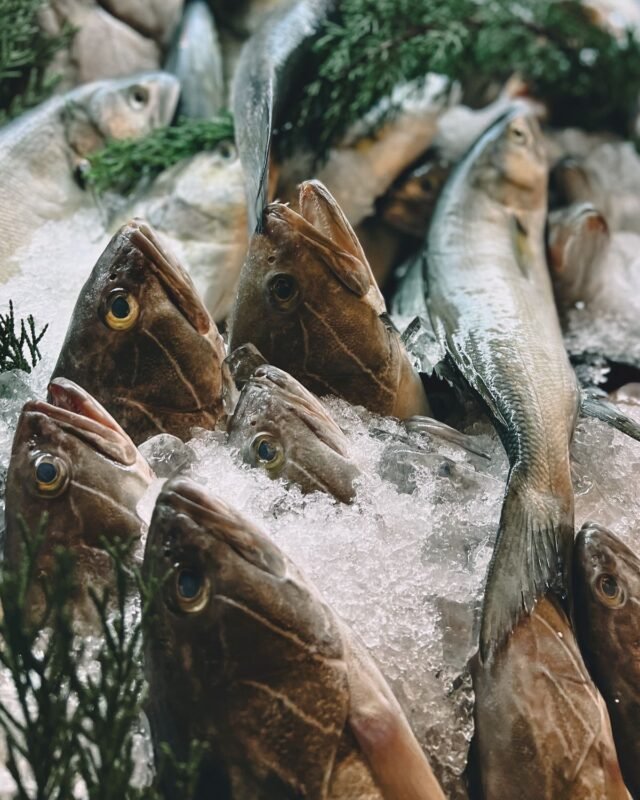
Fish, meat, poultry and frozen foods are among the hardest products to keep, and the most costly to lose. A freezer cold room lets traders, processors and shops hold stock solidly frozen for weeks instead of racing to sell before it spoils. This guide explains how a cold storage works for frozen products, what to look for, and how DE International sources the cold room from China.
Last updated: August 2026. Written by the DE International sourcing team — we run our own teams in China and Bangladesh, inspect cold storage units before they leave the factory, and handle customs clearance on arrival in Bangladesh.
Who This Is For
- Fish and meat traders buying and holding stock for retail or wholesale sale
- Poultry sellers needing reliable frozen storage between purchase and sale
- Restaurants and caterers holding bulk frozen ingredients
- Exporters needing consistent cold-chain storage before shipment
If you’re running an industrial-scale seafood processing operation rather than trading or retail, see our dedicated guide to cold storage for seafood processing units, which covers larger-scale, processing-specific considerations.
Why a Freezer Room Earns Its Place
- It holds stock for longer: frozen fish and meat keep for weeks, not hours.
- It protects quality: a steady low temperature keeps texture and value.
- It lets you buy and sell on your terms: stock up when supply is cheap and sell when demand is high.
- It serves many trades: fish and meat traders, poultry sellers, processors, restaurants and exporters.
A Freezer, Not a Chiller
| Product | Typical Storage Need |
|---|---|
| Fresh fish (short-term) | Chiller, or ice-based cooling for very short hold times |
| Frozen fish, meat, poultry | Freezer, -18°C to -24°C |
| Rapid chill-down before freezing | Separate blast-chill stage, if volume justifies it |
Fish, meat, poultry and frozen foods are stored below freezing — a freezer, not a chiller. Some businesses also want a separate space to bring product down to temperature quickly before long-term storage. The right setup depends on what you store and how fast you turn it over, so tell us your product and we match the unit instead of quoting a temperature blind.
What to Check Before You Buy
- Low, steady temperature held evenly across a full room.
- Strong refrigeration — a freezer works harder than a chiller, so the unit must be sized for it.
- Thick insulation and a good door seal to hold the cold and keep running costs down.
- Backup power — a generator or solar — so load-shedding does not thaw a full room.
Common Mistakes
- Sizing a chiller-grade unit for what’s actually frozen product. Confirm freezer-grade refrigeration, not chiller specification, if you’re storing below-freezing goods.
- Underestimating compressor demand for freezer temperatures. Freezers run harder than chillers — a compressor undersized for the temperature target will struggle to maintain it.
- No backup power plan for high-value frozen stock. A thaw event on frozen fish or meat is a total loss, not a partial one — backup power matters more here than for chiller-only goods.
How DE International Sources Your Cold Room
DE International finds cold-room manufacturers in China, gets you a quote built around your product and volume, checks the build, and ships and clears the unit to your site in Bangladesh. We do not quote a price, capacity or temperature here because it depends on your needs — see the price factors and ask for a quote. Read the mini cold storage buyer’s guide for the basics.
Frequently Asked Questions
What temperature does fish and meat storage need?
Frozen fish, meat, and poultry are typically held around -18°C to -24°C. Fresh (unfrozen) short-term storage uses chiller temperatures instead. Confirm your specific product and hold time so the right refrigeration capacity is specified.
Do I need a separate blast-chill area?
Only if your volume justifies it — a separate rapid chill-down stage speeds up bringing fresh product to storage temperature, but adds cost and complexity that smaller operations may not need.
How is this different from a seafood processing cold storage?
This guide covers trading, retail, and restaurant-scale freezer storage. Industrial seafood processing operations typically need larger capacity and processing-integrated cold chain design — see our seafood processing cold storage guide for that scale.
Can the unit be inspected before it ships?
Yes — pre-shipment inspection can be arranged to confirm insulation, refrigeration capacity, and build quality before the cold room leaves China.
Tell us what you want to store and roughly how much, and we will come back with the right cold-room option and a full landed-cost quote. See our services, our China sourcing and buying agent service, or contact us. You can also browse our shop for other machinery we source.
Prefer to talk it through?
✉ Chat on WhatsApp for a Quote