
Import & Export Guides
Mini Cold Storage for Seafood Processing Units
Jul
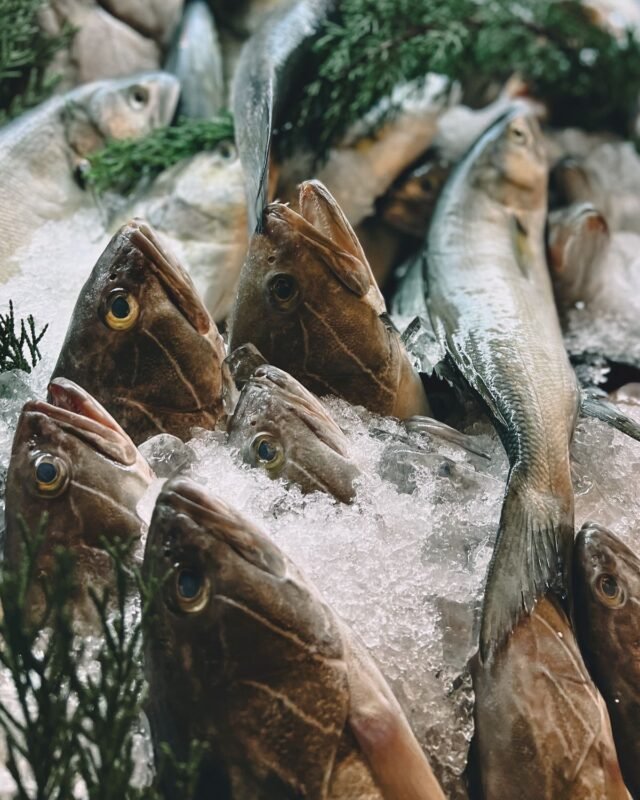
Seafood spoils faster than most other perishables, which makes cold storage less of an optional upgrade and more of a core piece of equipment for any processing operation, however small. This guide covers the stricter temperature requirements, design considerations specific to seafood, and how to size a unit correctly.
Last updated: August 2026. Written by the DE International sourcing team — we run our own teams in China and Bangladesh, inspect cold storage units before they leave the factory, and handle customs clearance on arrival in Bangladesh.
Who This Is For
- Seafood processing plants handling full catches or processing batches
- Operations needing strict, consistent low temperatures for food safety compliance
- Processors designing for moisture and salt exposure not present in dry-goods storage
This guide is about processing-plant scale seafood handling. For broader retail-level fish, meat, and frozen food trading, see our guide to cold storage for fish, meat and frozen foods instead.
Temperature Requirements Are Stricter Here
Fresh and frozen seafood generally need colder, more consistent temperatures than produce or dairy, and even short lapses can affect both quality and food safety. This is worth specifying clearly when sizing a unit, rather than assuming a standard cold room setting will do.
Design Considerations Specific to Seafood
- Easy-to-clean, corrosion-resistant interior surfaces given the moisture and salt exposure
- Drainage that handles meltwater and wash-down water without pooling
- Enough capacity to hold a full catch or processing batch without overcrowding, which affects airflow and cooling
Getting the Size Right
Processing volume, catch frequency, and how long stock typically sits before sale or further processing all factor into the right size — see our sizing guide for the general approach, though we size each operation individually rather than offering a one-size answer.
Common Mistakes
- Using standard cold room specification instead of seafood-appropriate design. Corrosion resistance and proper drainage matter more here than in dry-goods storage.
- Overcrowding the unit during peak catch periods. This restricts airflow and undermines cooling exactly when demand is highest.
- Not specifying temperature requirements clearly upfront. Seafood needs colder, more consistent temperatures than produce or dairy — confirm this explicitly rather than assuming.
How DE International Sources Your Seafood Processing Cold Room
DE International sources cold rooms from China built for seafood-specific requirements — corrosion resistance, proper drainage, and consistent low temperatures — verifies build quality, and ships and clears the unit to your facility in Bangladesh. Start with our mini cold storage buyer’s guide for the fundamentals. See also our maintenance guide for hygiene and upkeep practices.
Frequently Asked Questions
How is seafood processing storage different from general fish/meat retail storage?
This guide addresses processing-plant scale requirements including stricter temperature control and corrosion resistance; our fish, meat and frozen foods guide covers broader retail trading.
Why does seafood need colder storage than other produce?
Seafood spoils faster than most other perishables, so even short temperature lapses can affect both quality and food safety more than with produce or dairy.
What interior finish is needed for a seafood cold room?
Easy-to-clean, corrosion-resistant surfaces with drainage that handles meltwater and wash-down water without pooling.
How is the right size determined for a processing operation?
Processing volume, catch frequency, and typical holding time before sale or further processing are all factored in, with each operation sized individually.
Tell us your processing volume and we’ll recommend a size and specification that actually fits. See our services, our China sourcing and buying agent service, or contact us. You can also browse our shop for other machinery we source.
Prefer to talk it through?
✉ Chat on WhatsApp for a Quote