
Import & Export Guides
Cold Storage for Potatoes and Vegetables in Bangladesh
Jun
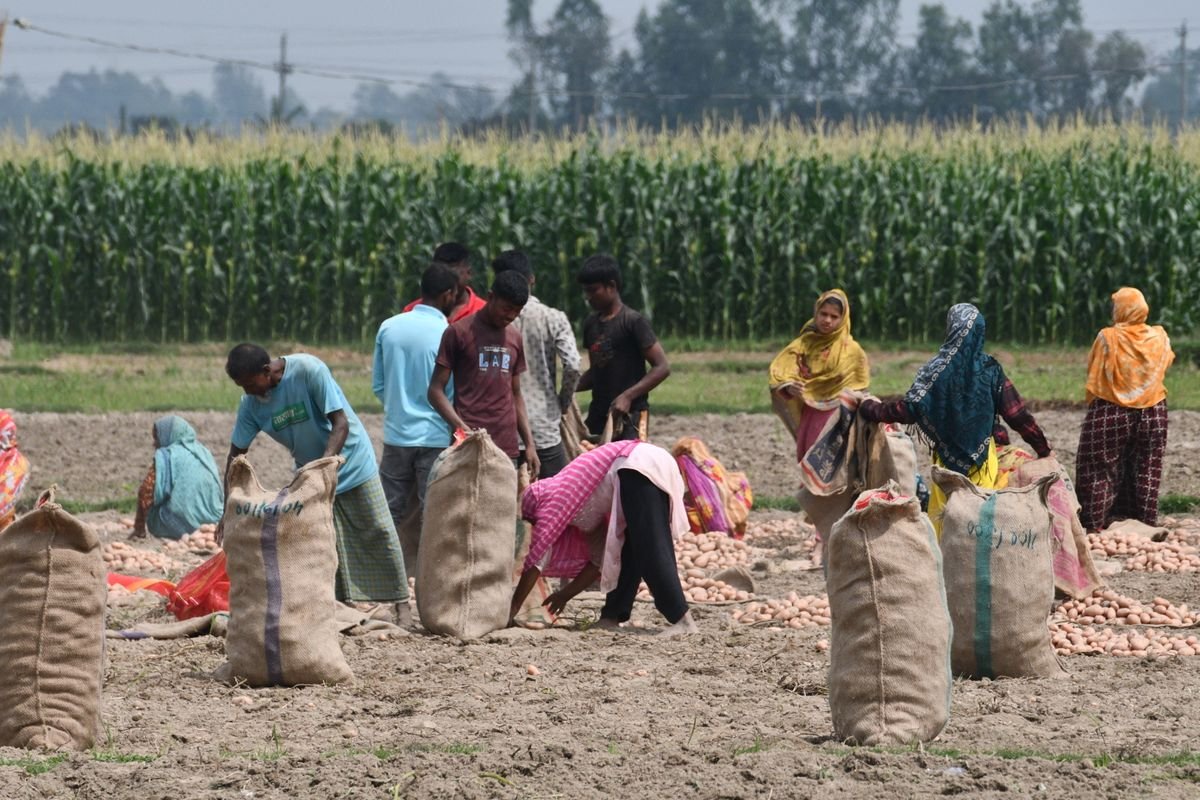
Potatoes are one of the most widely cold-stored crops in Bangladesh, and vegetables follow close behind. Without cold space a glut at harvest means prices crash and a lot of produce rots; with it, farmers and traders can hold stock and sell over a longer season. This guide explains how a cold storage helps potatoes and vegetables, what to look for, and how DE International sources the cold room from China.
Last updated: August 2026. Written by the DE International sourcing team — we run our own teams in China and Bangladesh, inspect cold storage units before they leave the factory, and handle customs clearance on arrival in Bangladesh.
Who This Is For
- Potato and vegetable farmers looking to hold stock past harvest instead of selling at the lowest-price glut
- Traders and aggregators buying from multiple farmers and needing storage capacity
- Cooperatives offering shared cold storage to member farmers
If your focus is specifically export-grade fruit rather than domestic vegetable trade, see our dedicated guide to cold storage for fruit exporters, which covers export-specific quality and handling considerations.
Why Cold Storage Matters for Potatoes and Vegetables
- It extends the selling season: hold produce after harvest and sell when supply is tighter.
- It cuts post-harvest loss: cool storage slows spoilage, sprouting and shrinkage.
- It steadies your cash flow: you are not forced to sell everything at the lowest-price moment.
- It opens rental income: spare space can be hired out to nearby farmers.
A Chiller, Not a Freezer
Potatoes and most vegetables are stored cold but above freezing — a chiller, not a freezer. Freezing damages the texture of fresh produce, so the goal is a steady cool temperature with good airflow and humidity control. The exact setting depends on the crop, so tell us what you plan to store and we match the unit to it rather than guessing a number.
What to Check Before You Buy
- Steady temperature held evenly across the room, without cold or warm spots.
- Airflow and humidity suited to the crop you store — potatoes and leafy vegetables have different humidity needs.
- Insulation thick enough to hold temperature through Bangladesh heat and load-shedding.
- Backup power — a generator or solar — so a long outage does not spoil a full room.
Common Mistakes
- Treating all vegetables as needing the same humidity setting. Different crops have genuinely different optimal storage conditions — confirm yours specifically.
- Under-sizing for a genuine harvest glut. The whole point of cold storage for produce is holding through the peak-supply period, so size for that, not an average week.
- Skipping airflow planning. Poor air circulation causes uneven cooling and localized spoilage even in an otherwise well-built room.
How DE International Sources Your Cold Room
DE International finds cold-room manufacturers in China, gets you a quote built around your crop and volume, checks the build, and ships and clears the unit to your site in Bangladesh. We do not quote a price or capacity here because it depends on your size and temperature — see the price factors and ask for a quote. Read the mini cold storage buyer’s guide or how to start a cold storage business for the wider picture.
Frequently Asked Questions
What temperature should potato and vegetable storage be?
This varies by crop — potatoes and most vegetables need cool, above-freezing chiller temperatures, not a freezer. Confirm your specific crop and we’ll match the temperature and humidity setting to it.
Can I store different vegetables in the same room?
Often yes, if temperature and humidity needs are similar, but some crops have genuinely different requirements. Tell us your typical crop mix and we’ll advise on whether one room or separate zones make sense.
How does this differ from fruit export cold storage?
Domestic vegetable and potato storage generally has more flexible tolerances than export-grade fruit, which often has stricter quality and handling requirements — see our fruit exporters guide for that specific case.
Can the cold room be inspected before it ships?
Yes — pre-shipment inspection can be arranged to confirm insulation, airflow system, and build quality before it leaves China.
Tell us what you want to store and roughly how much, and we will come back with the right cold-room option and a full landed-cost quote. See our services, our China sourcing and buying agent service, or contact us. You can also browse our shop for other machinery we source.
Prefer to talk it through?
✉ Chat on WhatsApp for a Quote