
Import & Export Guides
Container Rain and Cargo Sweat: Preventing Condensation Damage in Sea Freight
Sep
An importer opens a container at an off-dock depot in Chattogram and finds the top layer of cartons stained with water, even though the container was sealed, the roof has no holes and it never rained on the cargo. The damage came from inside. Sea freight professionals call it container rain or cargo sweat, and it is one of the most misunderstood causes of damage on the China to Bangladesh route.
What container rain actually is
Air always holds some water vapour, and warm air can hold more of it than cold air. The temperature at which air becomes saturated and starts shedding water as liquid is the dew point. Inside a sealed container, the air picks up moisture from everything packed in it: wooden pallets, cardboard cartons, paper, textiles and the goods themselves all release moisture as they warm up.
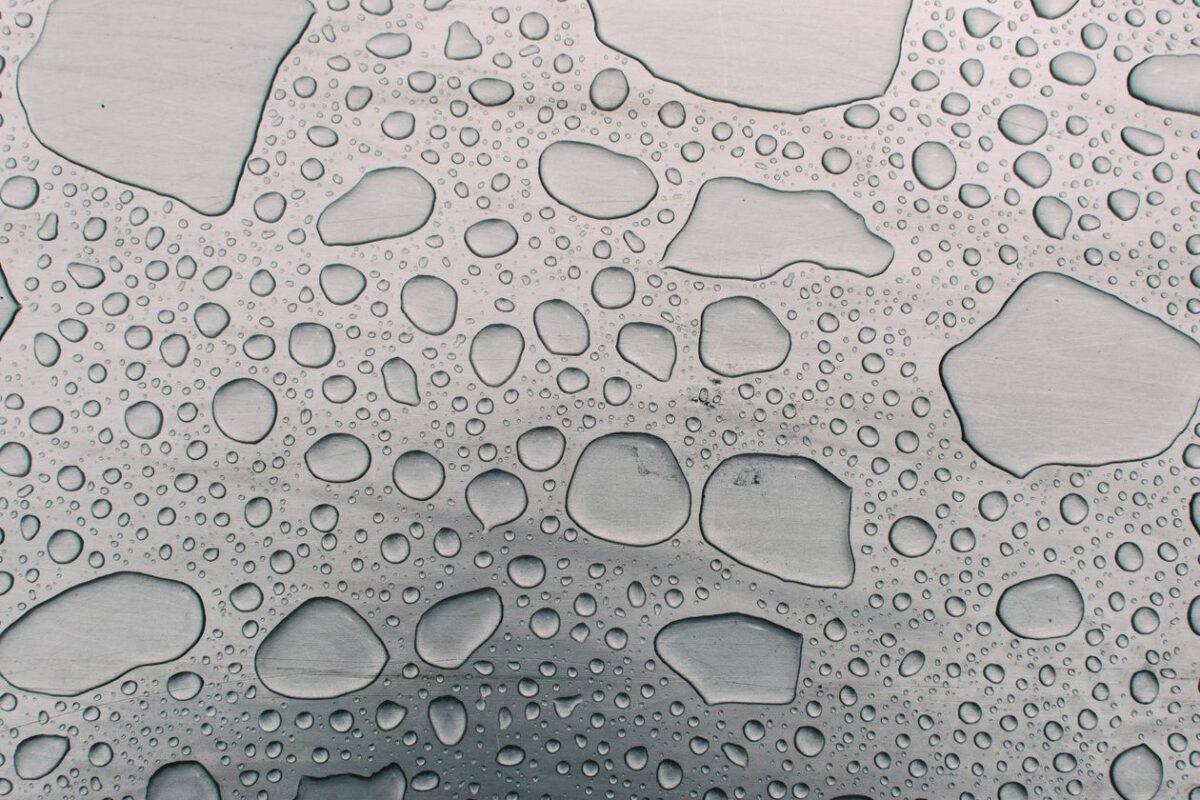
During the day, sun on the steel walls and roof heats the container and its air, which draws more moisture out of the cargo and packaging. At night the steel cools quickly, much faster than the cargo. When the inner surface of the roof drops below the dew point of the air inside, water condenses on it, collects into droplets and drips onto the cargo below. Repeat that cycle for every day of the voyage and yard dwell, and the top cartons can be soaked.
Container rain versus cargo sweat
The two terms describe related but different events, and the difference affects prevention.
- Container rain is condensation on the container’s own walls and roof, which then drips or runs down onto the goods. It is driven by the daily heating and cooling of the steel box.
- Cargo sweat is condensation directly on the surface of the goods. It happens when cold cargo meets warmer, humid air — for example cargo loaded in a cool season in northern or central China, then opened in humid tropical heat. The cargo surface is below the dew point of the surrounding air, so moisture forms on it.
On the China to Bangladesh lane both occur. Containers may sit in open yards at the origin port, at a transshipment hub such as Singapore or Colombo, and again at Chattogram, each time going through heat and cool cycles. Our article on transshipment via Singapore and Colombo explains why dwell time at hubs varies.
How the risk builds over one voyage
Picture a typical sequence. Cartons are packed in a factory warehouse, sometimes on a damp ground floor, and loaded onto freshly made wooden pallets. The container is stuffed, sealed and trucked to the port, where it may wait in an open stack for days before loading. At sea, the containers at the top of the stack take full sun during the day and cool rapidly at night. At a transshipment hub the box may sit on the quay again, then continue to Chattogram, where it waits in a yard or moves to an off-dock depot before unstuffing.
Every one of those stops is another round of daytime heating and night-time cooling. The moisture released by the packaging does not leave the sealed box; it is simply moved around, condensing on the coolest surfaces each night. That is why damage is concentrated on the top layer and near the doors and walls, and why the longest-dwelling containers tend to suffer most.
Which cargoes suffer most
- Paper products, cartons and printed packaging, which lose strength and stain.
- Steel and machined metal parts, which rust. Bright steel, machinery parts and tools are particularly exposed.
- Electronics, which can corrode at contacts and circuit boards.
- Textiles and garments, which develop mildew and odour.
- Agricultural products such as seeds, grains, spices and dried goods, which carry their own moisture and can go mouldy.
How to prevent it: moisture sources first
The cheapest moisture to deal with is moisture you never load. Wood is the biggest hidden source. Freshly sawn timber pallets and crates can hold a great deal of water. Heat treatment under ISPM 15 kills pests but does not by itself mean the wood has been dried, so ask suppliers for dry pallets or use plastic pallets where it suits the cargo; our ISPM 15 guide covers the marking rules.
- Do not load cargo or packaging that has been stored outdoors or in a damp warehouse, and do not stuff containers in the rain.
- Check the container before loading. A container with a wet floor, a damp smell or visible holes should be rejected; see our guide to container loading supervision.
- Protect the top of the stow. Kraft paper or a moisture-absorbing liner laid over the top layer catches drips from the roof before they reach the cartons.
- Shrink-wrap or bag sensitive goods individually, and use corrosion-inhibiting (VCI) packaging for bare metal parts.
Using container desiccants properly
Container desiccants are bags, strips or poles filled with a moisture-absorbing material, hung along the side walls or placed on top of the cargo. Many are based on calcium chloride, which absorbs water vapour and turns it into a brine held inside a gel or sealed compartment, so it does not leak back onto the cargo. Clay and silica gel types are also used.
The right quantity depends on the cargo, the packaging material, the amount of wood, the length of the voyage and the season, which is why reputable desiccant suppliers size them against the specific load rather than quoting a fixed number per container. Desiccants reduce the humidity peak; they cannot rescue a load of wet pallets, so treat them as the last layer of protection, not the first.
Ventilated containers and other options
For some cargoes the answer is a different kind of container. Ventilated containers, with openings along the top and bottom rails, are used for natural products such as coffee beans and cocoa that continue to release moisture during the voyage, allowing air exchange instead of trapping humidity. They are not generally available on every route, so they must be requested well in advance.
Highly sensitive goods may justify a reefer container run in a controlled mode, even when the cargo is not perishable, because the refrigeration unit controls temperature and reduces the day and night swings that drive condensation. That is a cost decision that depends on cargo value, and it is worth discussing with us only for goods where a single wet top layer would be expensive. Our reefer container guide explains how those units work.
What to do when you find water damage
- Photograph the container before and during unstuffing, including the roof interior, doors, seal and any stains, and note the container number.
- Separate wet cartons from dry ones immediately so damage does not spread, and record quantities on the tally sheet.
- Check whether the container itself was damaged, which points to the carrier, or sound, which points to condensation.
- Notify your insurer and forwarder quickly and in writing. Notice periods in contracts and policies are short.
Be aware that insurers often dispute sweat damage. Standard cargo clauses exclude loss caused by insufficient packing and by inherent vice of the goods, and condensation claims are frequently argued on exactly those grounds. Read the wording of your policy before you ship; our explanation of ICC A, B and C clauses and the guide to cargo damage claims will help.
Common mistakes
Most condensation losses we hear about trace back to three habits: loading on fresh wooden pallets because they were cheapest, stuffing the container straight from a humid ground-floor warehouse, and treating desiccants as optional on long routes with transshipment. Each is avoidable at the loading stage for a small fraction of the value at risk. If your cargo is moisture-sensitive, tell us when you book so we can plan packing and loading around it, and ask us for a quote that includes the protection your specific cargo needs.
Related reading: sea freight container loading tips, cargo securing and dunnage, and why sea freight insurance matters. To see how we handle sourcing, freight and clearance end to end, visit our services page, browse the shop, look at our China sourcing and buying agent service, or contact DE International for a quote built around your actual products and volumes.
