
Import & Export Guides
Pad Printing Machine Price in Bangladesh: Is It Right for Logos on Pens, Caps and Plastic Parts?
Nov
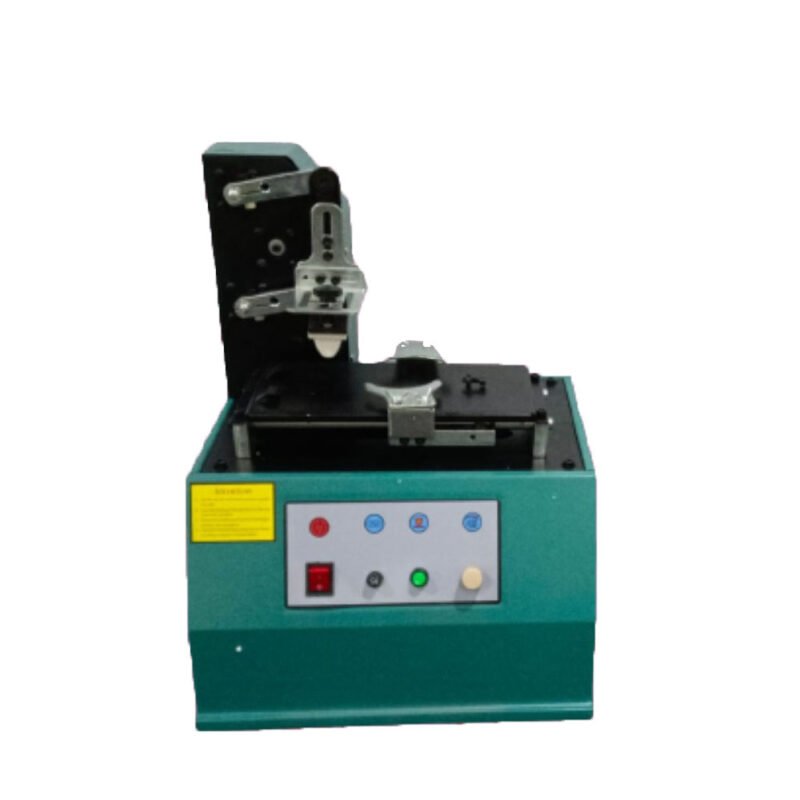
A pad printing machine is the right choice when you need to print a logo or small text on a curved, uneven or recessed surface — pen barrels, bottle caps, keychains, toy parts, switch buttons or plastic housings — where a flat screen cannot reach. In Bangladesh these machines come almost entirely from China, and the price depends on the number of colours, the ink system (open inkwell or sealed ink cup), the drive (electric or pneumatic) and how much automation you want. DE International sources pad printing machines from factories in Guangzhou, Shenzhen and Dongguan and delivers them door-to-door to Dhaka or Chattogram; send us a photo of your product and logo and we will quote a machine matched to it.
How does a pad printing machine actually work?
Pad printing (also called tampo printing) is an indirect gravure process. Your logo is etched a few microns deep into a flat plate called a cliché. Ink is spread over the plate and a doctor blade scrapes the surface clean, leaving ink only inside the etched logo. A soft silicone pad then presses down on the plate, lifts the ink out of the etching, moves across and presses onto your product. Because the pad is soft, it wraps around a curve or into a shallow recess and lays the logo down without distortion that a rigid screen would cause.
Two details explain most quality problems. First, the ink must partly dry on the pad in the fraction of a second between pick-up and transfer — that tackiness is what makes it release cleanly onto the product. Ink that is too thin smudges; ink that dries too fast leaves gaps. Second, the pad shape and hardness decide how well the image wraps. A round, soft pad suits a pen barrel; a harder, flatter pad gives sharper edges on a flat cap top.
Which products is pad printing right for, and which not?
Pad printing is strongest on small, hard items where the print area is a few centimetres across. Typical jobs we see from Bangladeshi buyers include:
- Promotional items — pens, keychains, lighters, USB drives and mugs for corporate gift orders around Eid and year-end.
- Plastic caps and closures for water, edible oil, cosmetics and pharmaceutical bottles, where a brand mark or batch code is printed on the cap.
- Toy parts, mobile accessories, switch buttons and electrical fittings with small symbols or brand names.
It is the wrong tool for large flat areas, fabric and full-colour photographs. For T-shirts look at screen printing or DTF; for paper or film labels see label printing machines; and for permanent marks on metal, a laser marking machine often makes more sense because it uses no ink at all.
What types of pad printing machines can you import from China?
| Machine type | Suits | What to know |
|---|---|---|
| Manual pad printer | Trial runs, very small batches, hobby or sample work | Operator does every stroke by hand; output and consistency depend on the person |
| Desktop electric, 1 colour, open inkwell | Small workshops printing one-colour logos | Cheap to run but solvent evaporates from the open tray, so ink viscosity drifts during the day |
| Desktop or floor pneumatic, 1 colour, sealed ink cup | Steady daily production of one logo | Needs an air compressor; sealed cup keeps ink stable and reduces waste and fumes |
| 2 colour shuttle machine | Two-colour logos on caps, pens, toys | The product moves on a shuttle between the two pad heads; registration (alignment) between colours must be checked on test prints |
| 4 colour or carousel machine | Factories with multi-colour or high volume work | Higher automation, more fixtures, and more skill needed to set up |
For most first-time buyers in Bangladesh the practical choice sits between a single-colour sealed ink cup machine and a two-colour shuttle machine. Open inkwell machines look attractive in a quotation, but in Dhaka’s heat the solvent in the open tray evaporates faster, so the operator has to keep adding thinner and print quality varies from morning to afternoon.
What consumables and accessories does a pad printer need?
The machine is only half the purchase. Before you place an order, budget for the consumables, because several of them are hard to find locally:
- Clichés (plates): steel plates last long and suit repeat orders; photopolymer plates are cheaper and quick to make but wear out sooner. If you want to make your own plates in Bangladesh you also need a plate exposure unit and film output; otherwise you order etched plates from China with each new logo.
- Silicone pads: pads come in different shapes and hardness grades and are consumables — they wear and crack. Order spares with the machine.
- Inks, thinner and hardener: pad printing inks are solvent-based and must match the product material. A logo printed with the wrong ink on polypropylene (PP) or polyethylene (PE) can rub off with a fingernail.
- Jigs (fixtures): every product shape needs a holder that keeps it in exactly the same position. A pen jig will not hold a bottle cap. Ask the factory to make jigs for your products.
- Doctor blade or ink cup ring: the ceramic or steel ring of a sealed ink cup wears over time and is a key spare part.
- Air compressor and dryer: needed for pneumatic machines; moisture in the air line causes erratic movement.
A common practical point for PP and PE caps: these plastics have low surface energy, so ink does not grip them well. Factories handle this with special inks or with flame or corona treatment before printing. Tell the supplier your exact material so they can recommend the right ink system, and ask for a rub or tape test on the test prints.
What decides the pad printing machine price in Bangladesh?
We do not publish a fixed price, because two machines that look alike can differ a lot in build quality and accessories. These are the components that make up the landed cost:
| Cost component | What changes it |
|---|---|
| Machine ex-factory price | Number of colours, open inkwell vs sealed ink cup, electric vs pneumatic, print area size, shuttle or carousel |
| Accessories and spares | Number of jigs, extra pads, clichés, ink cups and rings, starter ink kit |
| Testing and inspection | Test prints on your own samples and a pre-shipment check |
| Freight | Weight and volume of the crated machine; air for urgent small units, sea for larger ones |
| Customs duty and VAT | The HS code the machine is classified under and the current tariff — confirm with a C&F agent |
| Local delivery | From Dhaka airport or Chattogram port to your workshop |
Inks and some solvents can be treated as dangerous goods in air freight, so they are often shipped separately or by sea. For a current figure, ask us for a quote built around your product, logo size and expected daily output.
How do you buy a pad printing machine from China through DE International?
- Step 1 — Send us your product and logo. Photos, dimensions, material (PP, ABS, metal, glass) and the logo file. If possible, courier a few physical samples to our Shenzhen office.
- Step 2 — Shortlist and quote. We match the machine type and number of colours to your job and compare factories.
- Step 3 — Test print. The factory makes a cliché and jig and prints on your samples. We send you photos and a video, and you approve before paying the balance.
- Step 4 — Check electrical specs. Confirm 220V 50Hz single-phase for desktop units, and the compressor requirement for pneumatic models.
- Step 5 — Inspection and packing. We check the machine, spares and jigs against the order and confirm wooden crating.
- Step 6 — Shipping and clearance. Door-to-door to your address in Bangladesh, with customs clearance handled.
What are the most common mistakes buyers make?
- Buying a one-colour machine for a two-colour logo. Printing the second colour in a separate pass on a one-colour machine is possible, but alignment suffers and output halves.
- Ignoring jig cost. Every new product needs its own fixture; buyers who plan many products should agree on jig costs at the start.
- Wrong ink for the material. The logo looks perfect on day one and wears off in the customer’s hand a week later.
- No spare pads or ink cup ring. When a pad cracks mid-order, a replacement from China takes time.
FAQ
What is the pad printing machine price in Bangladesh?
It depends on the number of colours, ink system, drive type and accessories, plus freight and duty. DE International gives a current quote once we know your product and logo — WhatsApp +880 1750-859967.
Is pad printing or screen printing better for bottle caps?
For a logo on the top or side of a small cap, pad printing usually works better because the soft pad follows the curve. Screen printing suits larger, flat or cylindrical areas.
Do I need an air compressor for a pad printer?
Only for pneumatic machines. Many desktop electric models run on a normal single-phase supply without one.
Ready to print your own logo? See our services, China sourcing and buying agent service, the shop and contact page. For shipping costs and timelines from China, read how importing from China to Bangladesh works, or compare branding options in our guide to logo printing methods on Chinese products. WhatsApp: +880 1750-859967.
