
Import & Export Guides
Chaff Cutter Machine Price in Bangladesh: Which Chaff Cutter Suits a Dairy or Cattle Farm
Nov
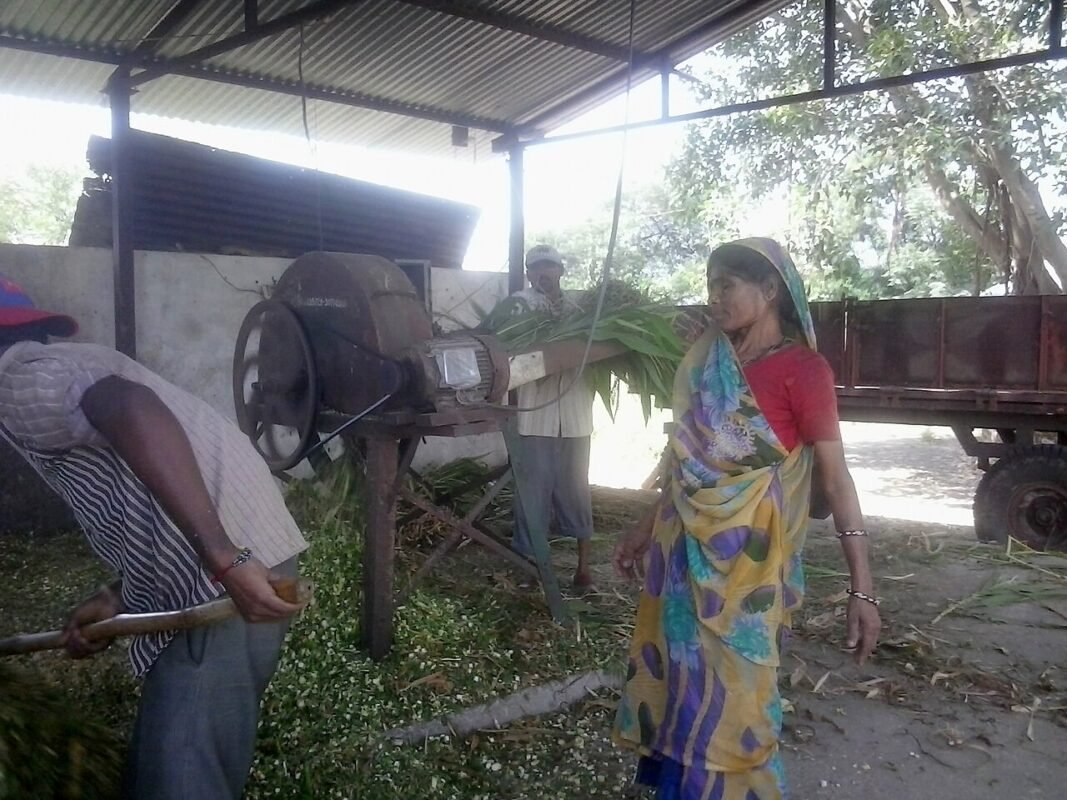
The right chaff cutter for a dairy or cattle farm in Bangladesh depends on three things: how much green fodder and straw you chop each day, what power you have at the farm (single-phase, three-phase or diesel), and whether you only cut fodder or also want to shred it for silage. A small household with a few cows can manage with a single-phase electric cutter, while a commercial farm chopping Napier and maize for silage needs a heavier three-phase or diesel machine, often a cutter-crusher. DE International imports chaff cutters from Chinese factories and delivers them door-to-door to farms across Bangladesh; the price depends on the model, motor and freight, so ask us for a quote for your farm.
Why chop fodder at all?
Cattle given whole Napier stalks or long rice straw eat the soft leaves and leave the hard stems on the floor. Chopping the stalks into short pieces means the animal eats the whole plant, so less fodder is thrown away. Short pieces also mix more evenly with concentrate, bran and molasses, which stops cows from picking out only what they like.
For silage, chopping is not optional. Silage works by packing chopped fodder so tightly that air is squeezed out and the material ferments instead of rotting. Long, uneven pieces trap air pockets and those spots turn mouldy. A cutter that gives a consistent short length, or a crusher that also splits the stems, makes compaction much easier in a pit, a drum or a plastic silage bag.
What types of chaff cutters come from China?
| Type | Power | Best for | Watch out for |
|---|---|---|---|
| Hand-operated wheel cutter | Manual | One or two animals, no electricity | Slow and tiring; blades need regular sharpening |
| Small electric chaff cutter | Single-phase motor | Household and small farms | Check the motor rating suits your line; long wet Napier can jam small rollers |
| Heavy electric chaff cutter | Three-phase motor | Commercial dairy and fattening farms | Needs a three-phase connection at the farm |
| Diesel or belt-driven cutter | Diesel engine or belt from an engine | Farms with weak or unreliable grid power | Fuel cost, engine maintenance and noise |
| Cutter-crusher (kneading or shredding machine) | Three-phase or diesel | Silage making from maize and Napier | Larger, heavier machine; higher power demand |
| Combined cutter and grain grinder | Electric | Small farms wanting one machine for fodder and feed | A compromise — neither job is done as fast as by a dedicated machine |
The cutter-crusher deserves a note. Instead of only slicing the stalk, it splits and frays it into fibres. Cattle chew this material easily and it packs tightly for silage. Many Chinese factories sell it as a kneading or shredding machine, so search terms differ from the familiar word chaff cutter — one reason it helps to have a sourcing agent who knows both the Bangla and Chinese names for the same machine.
How do you match a chaff cutter to your farm size?
Start from the daily amount of fodder you chop, not from the number of cows written on a brochure. Weigh one day’s green fodder and straw, then decide how many hours a day the machine will run. A factory capacity figure is usually measured on ideal dry or fresh material; wet monsoon Napier, thick maize stalks or tangled rice straw cut slower. Choosing a machine with some headroom avoids running a small motor flat out every day, which is how motors burn out.
Think about the future too. A farm that plans to start silage in the next season should look at a cutter-crusher now, rather than buying a small cutter and replacing it within a year.
What power supply works best on a Bangladeshi farm?
Many village connections supplied through the rural electrification network are single-phase, which limits you to smaller electric machines. A three-phase line needs a separate application and connection, and the cost and time vary by area — check with your local Palli Bidyut office before you order a three-phase machine. Where load shedding is frequent, a diesel-driven cutter, or an electric machine with a spare engine pulley option, keeps chopping going during outages.
When we quote, we confirm the motor voltage, phase and frequency (Bangladesh uses 50Hz) and ask the factory for a motor that matches. A machine wired for another standard is a common and avoidable problem.
Which fodder crops are you chopping?
- Napier and Pakchong grass: tall, juicy stalks with hard lower stems. Feed rollers must grip well, and the cutter needs enough power for thick stems.
- German grass and other soft grasses: easy to cut; a small machine is often enough.
- Maize for silage: thick stalks and cobs; this is where a heavier cutter or cutter-crusher earns its cost.
- Rice straw (khar): dry, long and tangling. Short chop length helps when mixing with green fodder and molasses. Damp straw wraps around rollers, so keep it dry.
If you feed more than one crop, tell the supplier all of them. A machine tested only on soft grass may struggle with dry straw, and the reverse is also true.
What decides the chaff cutter price in Bangladesh?
| Cost component | What changes it |
|---|---|
| Machine type | Plain cutter, cutter-crusher or combined grinder |
| Motor or engine | Single-phase, three-phase or diesel; motor rating; copper vs aluminium winding |
| Build | Blade steel, frame thickness, feed roller design, wheels for moving the machine |
| Spares | Extra blade sets, belts, bearings and screens |
| Freight and clearance | Weight and volume of the crated machine, port, customs duty and VAT |
| Inland delivery | Distance from Chattogram or Dhaka to your farm district |
Agricultural machinery can qualify for lower import duty in Bangladesh, but only under the correct classification. Read our guide to duty concessions on agricultural machinery and confirm the HS code with a C&F agent before you pay. We do not publish fixed prices, because they change with the model and freight; ask us for a current quote for your farm.
How do you use a chaff cutter safely?
Chaff cutters cause serious hand injuries in rural South Asia every year, almost always while feeding fodder into the rollers. Choose a machine with a long feed chute and a proper guard over the blades and belts, and an emergency stop within reach. Never push fodder in with your hand near the rollers — use a stick. Keep children away from the machine and switch off and disconnect the power before clearing a jam or changing blades. Check the blade clearance and sharpness regularly: blunt blades tear the fodder, pull more current and make jams more likely.
What mistakes should you avoid?
- Buying by cow count alone: the real load is daily fodder weight and type.
- Ordering a three-phase machine for a single-phase farm: it will not run without a new connection or converter.
- No spare blades or belts: chopping stops while you wait for parts.
- Planning silage with a light cutter: uneven, long pieces trap air and spoil.
- Removing guards to feed faster: this is how hands get hurt.
FAQ
What is the chaff cutter machine price in Bangladesh?
It depends on the machine type, motor or engine, build quality and freight. DE International quotes once we know your fodder type and daily volume — WhatsApp +880 1750-859967.
Which chaff cutter is best for a small dairy farm in Bangladesh?
For a few cows on a single-phase connection, a small electric cutter with a guarded feed chute is usually enough. If you plan silage, consider a cutter-crusher.
Can a chaff cutter run on diesel?
Yes. Many Chinese models can be driven by a diesel engine through a belt, which helps where load shedding is frequent.
Is a chaff cutter the same as a hammer mill?
No. A chaff cutter slices fodder into lengths; a hammer mill grinds dry grain or feed into meal.
Building a full feed setup? See our guides to making your own livestock feed and cold storage for milk collection, plus our services, China sourcing and buying agent service, the shop and contact page. For shipping from China, see how importing from China to Bangladesh works. WhatsApp: +880 1750-859967.
