
Import & Export Guides
Mini Cold Storage for Dairy and Milk Collection Points
Jul
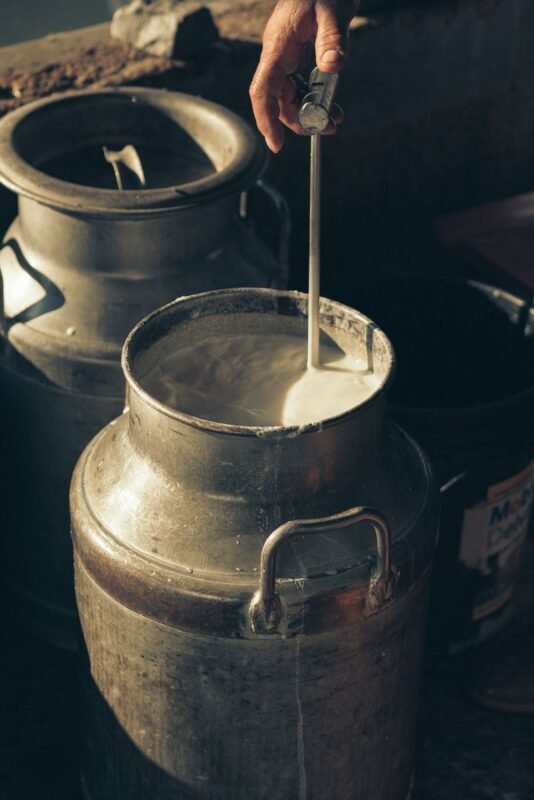
Milk starts losing quality the moment it leaves the animal, and a milk collection point without reliable cooling loses volume to spoilage every single day. A mini cold storage lets a dairy collection point, small processor or milk trader hold milk and dairy products at a safe temperature until they move on to the next stage. This guide explains how mini cold storage supports dairy handling in Bangladesh.
Last updated: August 2026. Written by the DE International sourcing team — we run our own teams in China and Bangladesh, inspect cold storage units before they leave the factory, and handle customs clearance on arrival in Bangladesh.
Who This Is For
- Milk collection points aggregating from many small dairy farmers
- Small dairy processors making curd, butter, paneer, and similar products
- Milk traders buying and distributing dairy at volume
If your focus is specifically retail ice cream or finished dairy shops rather than raw milk collection, see our guide to cold storage for ice cream and dairy shops, which covers retail-specific considerations.
Why Cooling Matters So Much for Milk and Dairy
- Milk spoils fast without cooling, especially in Bangladesh heat.
- Collection points gather milk from many small suppliers, so a single cold room can protect a large combined volume.
- Dairy products — curd, butter, paneer, sweets — all depend on a steady cold chain to stay safe and sellable.
- Quality affects price: milk held at the right temperature holds its value better than milk that has warmed up.
A Chiller, Held Steady
Milk and most dairy products are kept cold but above freezing — the same chiller range covered in our note on chiller versus freezer needs. What matters most for dairy is consistency: a steady temperature from the moment milk arrives to the moment it leaves, without long gaps in the cold chain.
What to Check for a Dairy Cold Room
- Quick, steady cooling so incoming milk is brought down to temperature without delay.
- Easy-clean interior surfaces suited to a food and dairy environment.
- Reliable power — a generator or solar backup — since a collection point cannot afford a long gap in cooling.
- Enough capacity for peak collection, which can be far higher at certain times of day or season.
Common Mistakes
- Sizing for average daily collection, not peak collection times. Dairy collection volume often spikes at specific times of day — size for that peak, not the average.
- Underestimating cooling speed requirements. Fresh milk needs to reach safe temperature quickly, not just be stored cold once it gets there — confirm the refrigeration unit can cool incoming volume fast enough.
- No backup power for a time-critical product. A cooling gap that’s tolerable for some produce can spoil an entire day’s milk collection — backup power matters more here than for less perishable goods.
How DE International Sources Your Dairy Cold Room
DE International finds cold-room manufacturers in China, gets you a quote built around your collection volume, checks the build, and ships and clears the unit to your site in Bangladesh. We do not quote a price or capacity here because it depends on your volume — see the price factors and ask for a quote. Start with our mini cold storage buyer’s guide.
Frequently Asked Questions
How fast does a dairy cold room need to cool incoming milk?
Quickly — fresh milk should be brought down to safe temperature promptly after collection, not gradually. Confirm the refrigeration unit’s cooling speed, not just its holding temperature, when specifying a dairy application.
What size cold room does a milk collection point need?
Size for peak collection volume, which is often concentrated at specific times of day, not average daily volume. Tell us your typical peak collection and we’ll help size accordingly.
Is backup power more important for dairy than other cold storage uses?
Milk is particularly time-sensitive — a cooling gap that’s manageable for some produce can spoil an entire day’s collection. Backup power planning deserves extra weight for dairy applications.
Can the cold room be inspected before it ships?
Yes — pre-shipment inspection can be arranged to confirm cooling speed, hygienic interior finish, and build quality before the unit leaves China.
Tell us what you want to store and roughly how much, and we will come back with the right cold-room option and a full landed-cost quote. See our services, our China sourcing and buying agent service, or contact us. You can also browse our shop for other machinery we source.
Prefer to talk it through?
✉ Chat on WhatsApp for a Quote