
Import & Export Guides
Mini Cold Storage for Small Grocery Shops
Jul
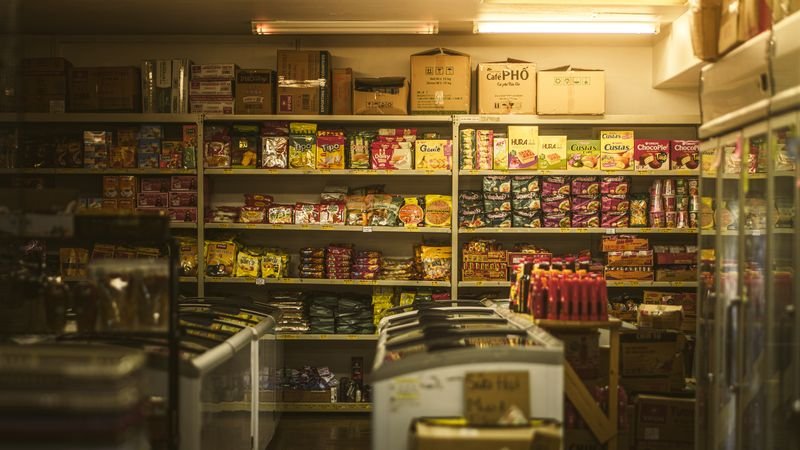
A small grocery shop lives or dies on what it can keep fresh. A few extra days of shelf life on dairy, drinks and frozen items means less waste and more stock you can confidently order in bulk. This guide looks at how mini cold storage fits a small grocery shop, alongside the deep freezers many shops already run.
Last updated: August 2026. Written by the DE International sourcing team — we run our own teams in China and Bangladesh, inspect cold storage units before they leave the factory, and handle customs clearance on arrival in Bangladesh.
What a Small Shop Actually Needs Cold
- Drinks and dairy that customers expect chilled.
- Frozen items — ice cream, frozen snacks, frozen meat and fish.
- Bulk stock bought ahead to get a better price, held until it is sold.
- Perishable produce if the shop also sells fruit or vegetables.
Deep Freezers, a Mini Cold Room, or Both
Most small shops start with one or two deep freezers by the counter, which is often enough — see our comparison of mini cold storage versus deep freezer. As a shop grows into buying in bulk or stocking a wider range, a small walk-in room behind the counter can hold far more than a few appliances, while the freezers up front stay for what is sold that day.
What to Check Before Adding Cold Storage to a Shop
- Available space — a mini cold room needs a footprint the shop can spare.
- Power supply the shop’s connection can support, with a plan for load-shedding.
- Access for restocking without disrupting customers during business hours.
- What actually needs the extra space — there is no point in a room for stock that already fits in a freezer.
Common Mistakes
- Adding a cold room before genuinely outgrowing deep freezers. If a couple of freezers still comfortably handle your volume, that remains the more capital-efficient choice.
- Not planning restocking access around business hours. A cold room that disrupts customer flow during busy periods creates a real operational problem.
- Sizing for aspirational bulk-buying, not current shop volume. Grow into a bigger setup as your actual bulk-buying volume increases.
How DE International Helps Small Shops Add Cold Storage
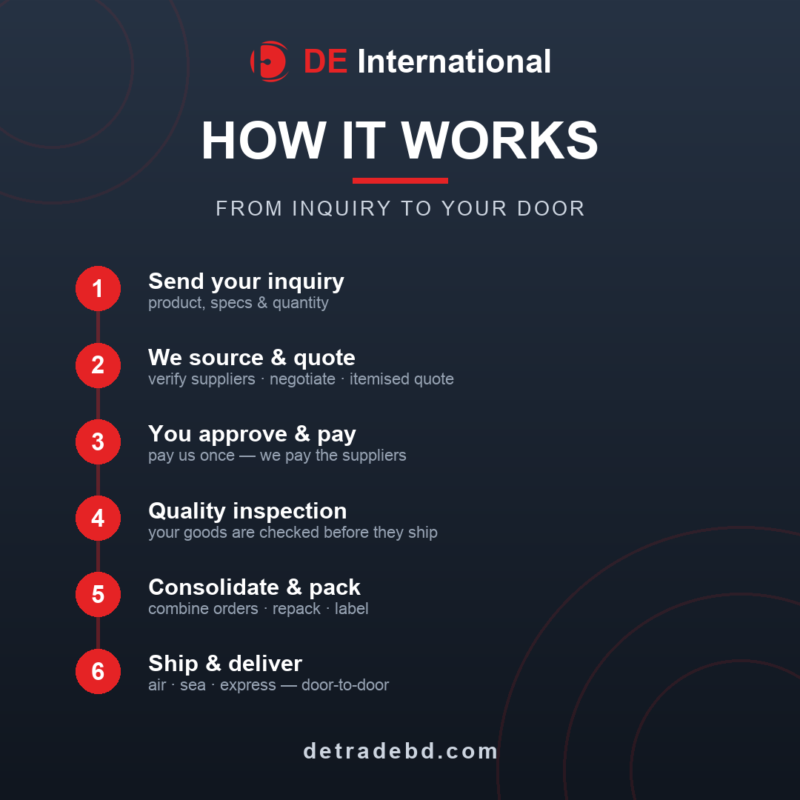
DE International sources deep freezers and mini cold-room units from China, matched to what your shop actually needs, and handles shipping and customs into Bangladesh. Read our mini cold storage buyer’s guide or how to start a cold storage business for the wider picture. See also our price factors guide for realistic budgeting.
Frequently Asked Questions
When should a small shop upgrade from deep freezers to a mini cold room?
When bulk purchasing or product range genuinely outgrows what a couple of freezers can hold. Until then, deep freezers remain the more capital-efficient option for most small shops.
Where should a cold room go in a small shop?
Typically behind the counter or in a back area, with access planned so restocking doesn’t disrupt customer flow during business hours.
Can a small shop start with a deep freezer and add a cold room later?
Yes — this is a common and sensible growth path. Start with deep freezers, then add a mini cold storage once bulk-buying volume genuinely justifies it.
Can DE International source both freezers and cold rooms?
Yes — we source both, matched to your shop’s actual needs, and handle shipping and customs either way.
Tell us what you want to store and roughly how much, and we will come back with the right cold-room option and a full landed-cost quote. See our services, our China sourcing and buying agent service, or contact us. You can also browse our shop for other machinery we source.
Prefer to talk it through?
✉ Chat on WhatsApp for a Quote