
Import & Export Guides
Add Value to Your Crops: Agro-Processing Machines for Farmers
Jun
Selling raw crops earns the least. Wash, juice, pelletise or pack them and the same harvest is worth more. Here are simple processing machines DE International can source from China to help Bangladeshi farmers add value to what they grow, and how to pick the right first step.
Who Should Add Value to Their Crops
- Farmers currently selling raw produce at the lowest point in the value chain
- Farm cooperatives looking to process for members collectively
- Small agribusinesses adding a processing step to an existing farm operation
How to Choose Crop Value-Add Machines
Pick the step that adds the most value for your specific crop, not the most machines at once:
- Your crop: washing, juicing, pelletising and packing each suit different produce.
- Shelf life: washing and packing extend shelf life and cut waste, which is often the fastest payback.
- Waste to value: crop residue and straw can become saleable feed pellets instead of being discarded.
- Hygiene: for food, contact parts should be food-grade and easy to clean.
- Scale: start with one step that clearly pays back, then add to the line as you grow — don’t build the full chain at once.
The Value-Add Ladder
| Step | What It Does | Best Starting Point If… |
|---|---|---|
| Wash | Cleans produce for market, extends shelf life | You sell fresh vegetables/fruit directly |
| Juice | Converts raw crop (e.g. sugarcane) into a sellable drink | You have a crop suited to direct juicing |
| Pelletize | Turns crop residue/straw into saleable feed | You currently discard usable residue |
| Pack | Weighs and seals into retail-ready units | You sell grain, seed, tea, or spice |
Common Mistakes When Adding Value to Crops
- Trying to build the full processing chain at once. Start with the single step that clearly pays back for your crop, then expand.
- Not matching the machine to your actual crop. A washing line built for one vegetable type may not suit another — confirm compatibility.
- Ignoring the market for the value-added product. Confirm there’s real demand for washed/packed/pelletized product before investing, not just an assumption that “adding value” automatically sells.
- Underestimating hygiene requirements for food-contact processing — this affects both compliance and buyer trust.
Crop Value-Add Machines We Can Source for You
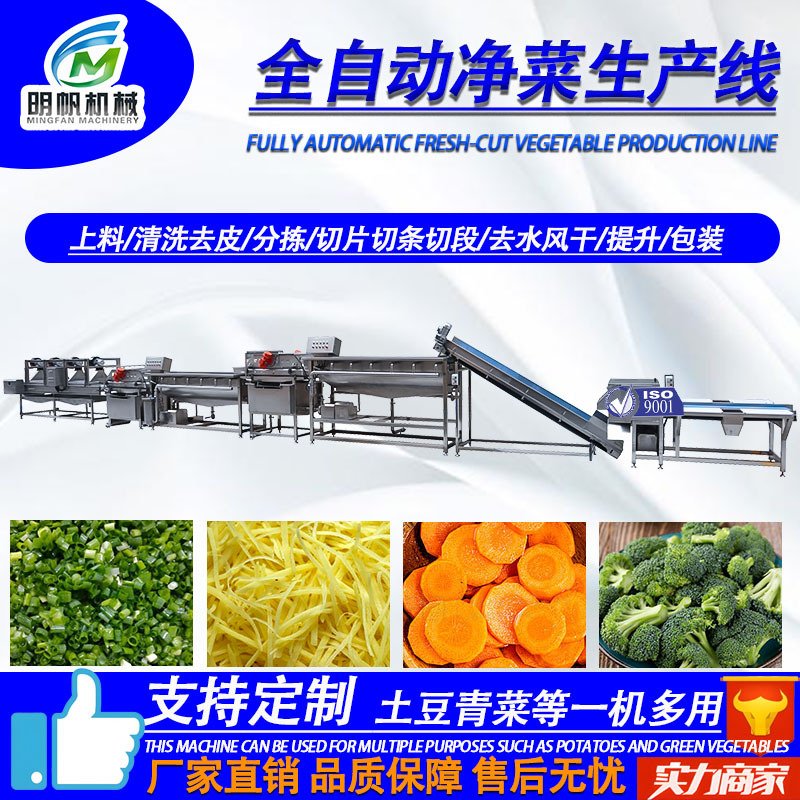
Vegetable & Fruit Bubble-Washing Line
Bubble-washes vegetables and fruit at volume — the first value-add step toward washed, packed produce.

Small Commercial Sugarcane Juicer
Turns raw sugarcane into fresh juice — simple value-add with a quick return.
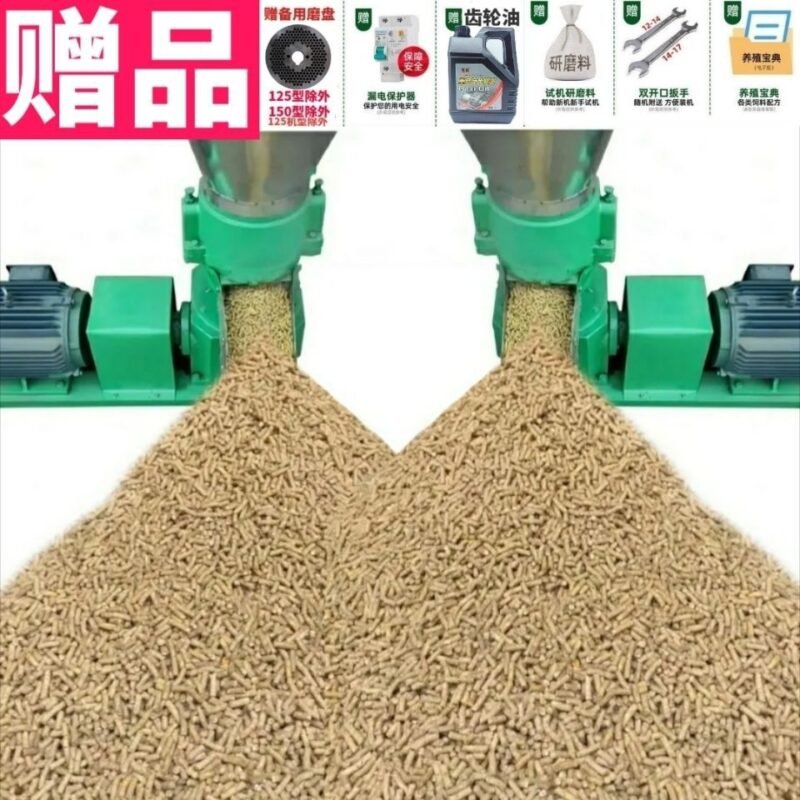
Household Electric Feed Pellet Machine
Turns crop residue, corn and straw into feed pellets — value from what would otherwise be waste. For a larger farm-scale mill, see our feed pellet machine guide.
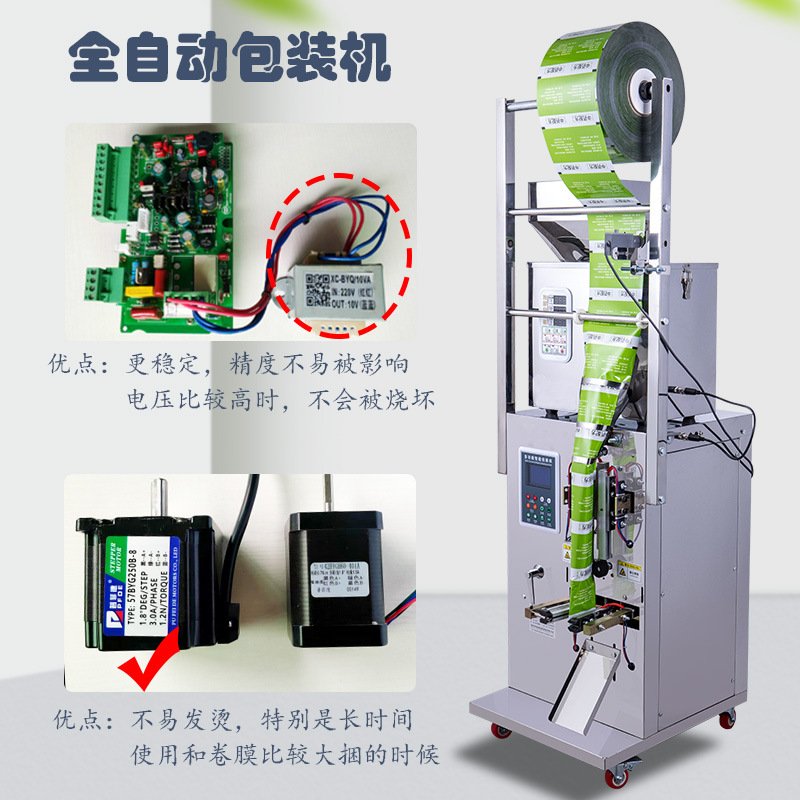
Automatic Powder & Granule Packing Machine
Weighs and seals processed grain, seed, tea or spice into retail sachets — the packing step that lifts the price.
Questions to Ask Before You Invest
- Is there confirmed demand for the value-added version of my crop, not just an assumption?
- Which single processing step gives the fastest payback for my specific crop?
- Does the machine genuinely suit my crop type, or is it built for something similar but different?
- What hygiene and food-safety requirements apply to my product?
What It Costs to Land in Bangladesh
Your landed cost is more than the sticker price. Factor in freight and customs before you commit — our guides on the total cost of importing from China and sea freight vs air freight explain the numbers, and it always pays to verify the supplier before you pay. DE International can handle the whole chain: sourcing and supplier vetting, quality inspection, and customs clearance and delivery.
Frequently Asked Questions
Which value-add step should I start with?
Start with whichever step clearly pays back fastest for your specific crop and market — often washing/packing for produce sold fresh, or pelletizing if you currently discard usable residue. Tell us your crop and current sales channel and we’ll help you decide.
Do I need to build the full processing chain at once?
No — most farmers start with one step and add more as the business proves itself. Building the full chain upfront is higher risk and unnecessary capital commitment.
How do I know there’s a market for the processed version of my crop?
Check local demand and pricing for washed, juiced, or packed versions of your crop before investing — don’t assume processing automatically increases sellability without confirming actual buyer interest.
Can this equipment be inspected before it ships?
Yes — pre-shipment inspection can be arranged to confirm function and build quality before the equipment leaves China.
Browse the full agro machinery range in our shop, or tell us what you need and we will quote sourcing plus delivery. See our services or contact us.
Prefer to talk it through?
✉ Chat on WhatsApp for a Quote