
Import & Export Guides
Your First Filling Machine: How to Pick the Right One
Jun
A filling machine is often the first real machine a product business buys. Pick too small and you outgrow it fast; too big and it sits idle while you pay off capital you didn’t need yet. Here is how to choose, with examples from a simple handheld filler up to a full automatic line — matched to where your business actually is today.
Who Is This Guide For?
- New product businesses moving from manual filling to their first machine
- Growing brands whose manual or entry-level process can’t keep up with order volume anymore
- Contract fillers starting a fill service for smaller brands without their own equipment
- Anyone unsure whether they need a simple handheld unit or a full automatic line — this guide is built to answer exactly that
How to Choose Your First Filling Machine
Start with your product and your volume, not the most advanced machine you can find:
- Product: water, oil, sauce and gel each fill differently — match the pump to the liquid.
- Volume: a handheld filler suits samples and small runs; a line suits steady daily output.
- Accuracy: consistent fill volume keeps you legal and stops giveaway losses on every bottle.
- Bottle range: confirm it handles your bottle sizes and neck types before ordering.
- Upgrade path: buy for the next year, not just today, but do not overpay for unused capacity you won’t reach for a long time.
The Growth Path: Which Stage Are You At?
| Your Stage | Right Machine | Why |
|---|---|---|
| Testing a product, samples, very small runs | Handheld peristaltic-pump filler | Lowest cost entry point, no production commitment |
| Steady small-to-mid production | Single-head or horizontal pneumatic filler | Real throughput without full-line investment |
| Established volume, growing fast | Automatic filling line | Scales with demand, lower cost per unit at volume |
Common Mistakes First-Time Buyers Make
- Buying a full automatic line before you have the order volume to justify it. Idle capacity is wasted capital — grow into the next stage, don’t skip to it.
- Staying on a handheld unit too long. If you’re spending more on labor than a mid-tier machine would cost, it’s time to upgrade.
- Not confirming the pump type matches your actual liquid. A filler built for water struggles with thick sauce, and vice versa.
- Ignoring fill accuracy until it becomes a real cost. Small overfills add up fast at volume — confirm tolerance before you buy.
Filling Machines from Entry-Level to a Full Line
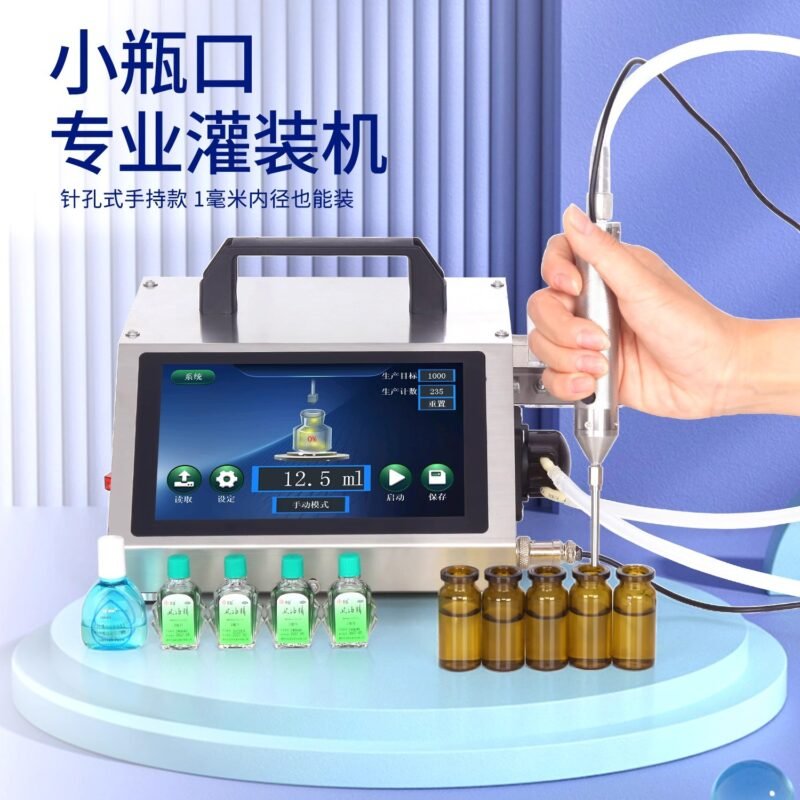
Handheld Peristaltic-Pump Filling Machine
The simplest start — a handheld filler for small bottles, oils and samples, ideal for testing a product before committing to production equipment.
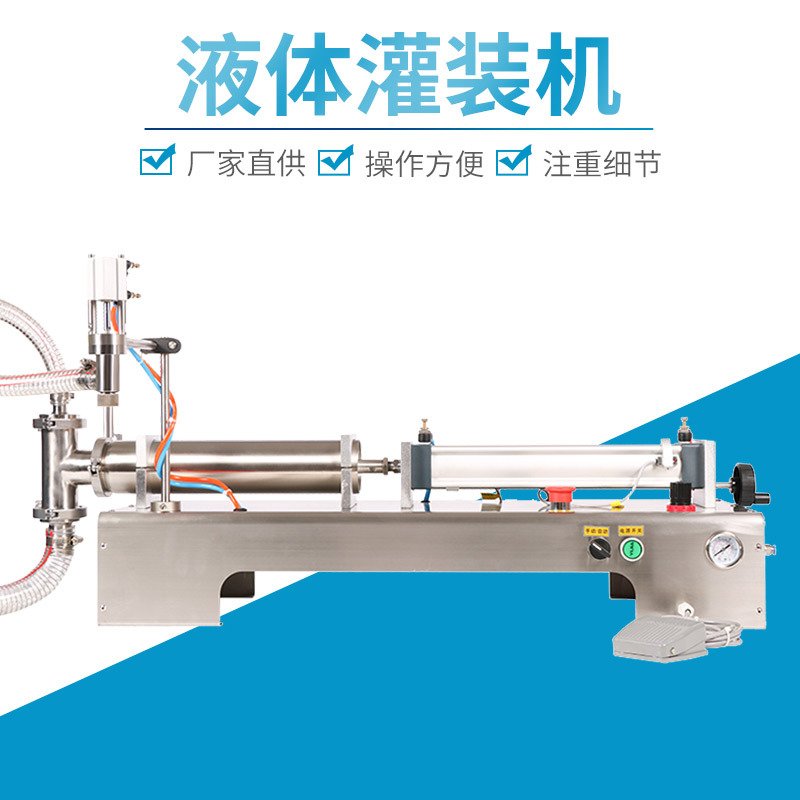
Horizontal Pneumatic Liquid Filling Machine
A quantitative pneumatic filler for detergent, beverage and liquor — a step up in speed and accuracy once samples turn into real orders.
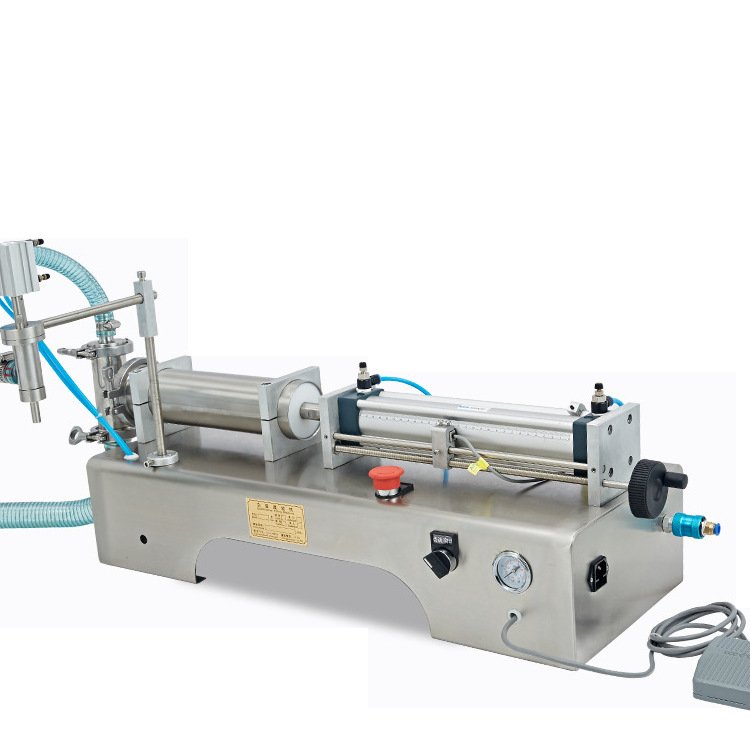
Single-Head Pneumatic Liquid Filling Machine
A single-head filler for disinfectant, juice and shampoo — a reliable workhorse for steady daily runs.
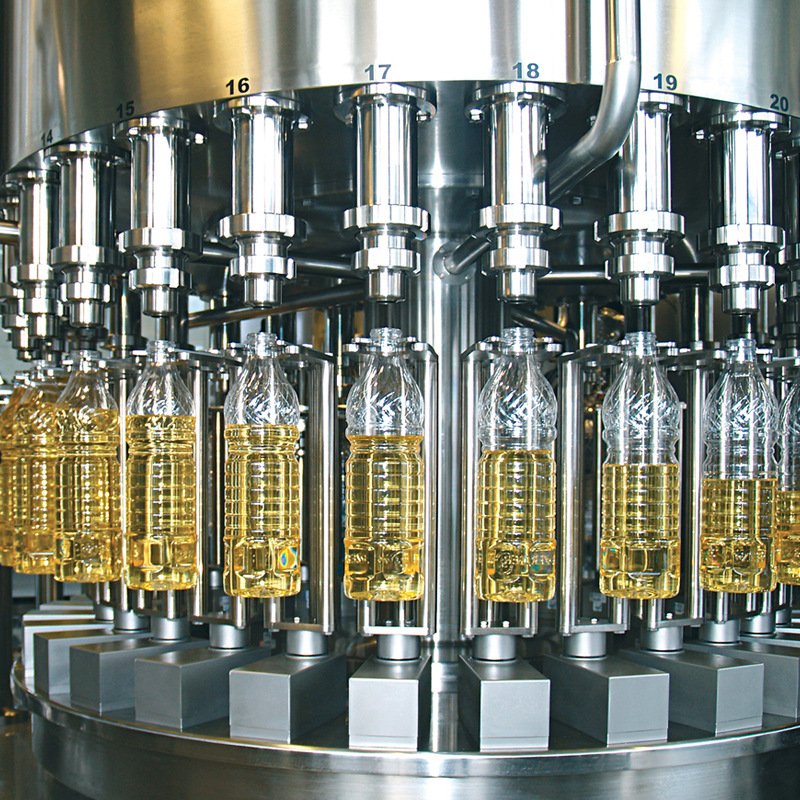
Automatic Bottled Water & Juice Filling Line
A full automatic line for when volume grows — fills mineral water, juice and oil at scale. For corrosive or high-value liquids like perfume and essential oils, see our full liquid filling machine guide, which covers the magnetic pump filler built for that category.
Questions to Ask Before You Buy
- What’s my realistic daily/weekly volume six months from now, not just today?
- Does this machine actually suit my liquid’s viscosity, or am I compromising?
- What’s the fill accuracy tolerance, and does that matter for my product’s cost?
- Can I upgrade components later, or is this a full replace-the-machine decision when I outgrow it?
- What spare parts should I stock from day one?
What It Costs to Land in Bangladesh
Your landed cost is more than the sticker price. Factor in freight and customs before you commit — our guides on the total cost of importing from China and sea freight vs air freight explain the numbers, and it always pays to verify the supplier before you pay. DE International can handle the whole chain: sourcing and supplier vetting, quality inspection, and customs clearance and delivery.
Frequently Asked Questions
Should I start with a handheld filler or go straight to an automatic line?
Start where your actual current volume is, not where you hope to be. A handheld filler is the right choice for testing and small runs; jumping straight to a full line before you have the order volume to use it wastes capital that could fund inventory or marketing instead.
How do I know when it’s time to upgrade to the next machine tier?
When labor time spent on manual or semi-manual filling costs more than the next tier of machine would, or when you’re regularly unable to fulfill orders on time, it’s a sign to upgrade.
Can the same supplier help me upgrade later?
Yes — we work with businesses through multiple growth stages, and having sourced your first machine, we already understand your product and requirements for the next one.
What if I’m not sure which machine fits my product?
Tell us your product, typical batch size, and target daily volume — we’ll recommend the right machine tier rather than defaulting to whatever is most expensive or most basic.
Browse the full packaging machine range in our shop, or tell us what you need and we will quote sourcing plus delivery. See our services or contact us.
Prefer to talk it through?
✉ Chat on WhatsApp for a Quote