
Import & Export Guides
Agricultural Drones & Feed Equipment from China
Jun
Agricultural drones and feed machines are changing how Bangladeshi farms spray crops and feed livestock. Spraying drones cover ground fast and safely, while feed pellet mills let farmers make their own animal feed instead of buying pre-made feed at a markup. Here is who these machines suit, what to check before you buy, and what DE International can source from China.
Who Should Buy This Equipment
- Small to medium farm operators looking to cut labor and chemical costs on spraying, or feed costs on livestock
- Farm service providers offering contract spraying or feed production to multiple smallholders
- Cooperatives and agri-input dealers adding drone spraying or feed pelletizing as a service line
- Fruit growers needing protective bagging at scale for orchard crops
Important: Bangladesh Drone Registration Requirements
Before buying an agricultural spraying drone, know that Bangladesh’s Civil Aviation Authority (CAAB) requires registration for drones above 250 grams, and regulations covering import, licensing, and agricultural spray operations have been actively developing. An agricultural spraying drone falls well outside the “toy drone” exemption. Confirm current CAAB registration and operating requirements directly with CAAB and the Ministry of Agriculture before or alongside your purchase — this isn’t a detail to sort out after the drone arrives.
How to Choose Drones and Feed Equipment
Match capacity to your land or herd, not the largest model available:
- Tank or payload: size the spraying tank or lift capacity to your field area and crop — actual coverage depends on spray rate and flight time, not payload alone.
- Battery and spares: ask about flight time, spare batteries and propellers before you buy.
- Training and rules: drone operation needs real skill — confirm training support is part of your order, and check current CAAB rules before buying.
- Feed type: pick a pellet mill die size that matches poultry, fish or livestock feed, and confirm wet-material handling explicitly if you’re processing fresh-cut grass.
- Power: confirm electric single-phase or three-phase for feed mills against your facility’s actual supply.
Common Purchasing Mistakes
- Buying an agricultural drone without resolving CAAB registration first. This is a real regulatory requirement, not an afterthought.
- Assuming payload capacity alone determines field coverage. Spray rate, crop density, and battery/flight time all factor into real daily output.
- Not confirming a feed pellet mill’s wet-material handling if you’re processing fresh-cut grass — not every “wet and dry” listing performs equally well on genuinely wet material.
- Skipping operator training for drone spraying — safe, effective application requires real flight and application skill, not just owning the equipment.
Equipment We Can Source for You
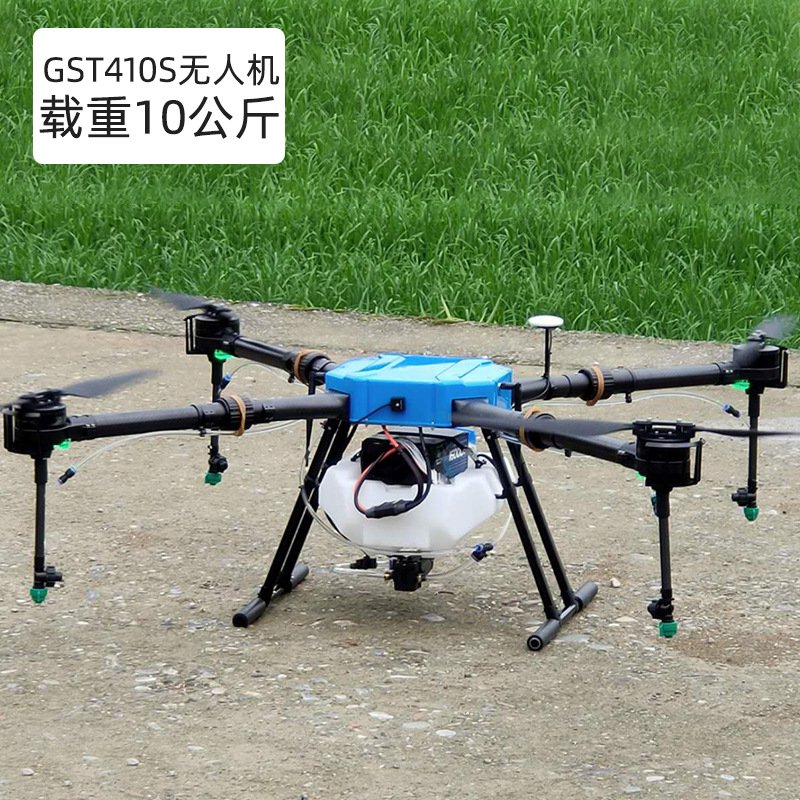
Farmland Agricultural Plant Protection Drone
A spraying drone for pesticide, fertiliser and seed application across farmland, supporting up to 400 catties (~200kg) payload — fast, even coverage with less manual labour and reduced operator chemical exposure.
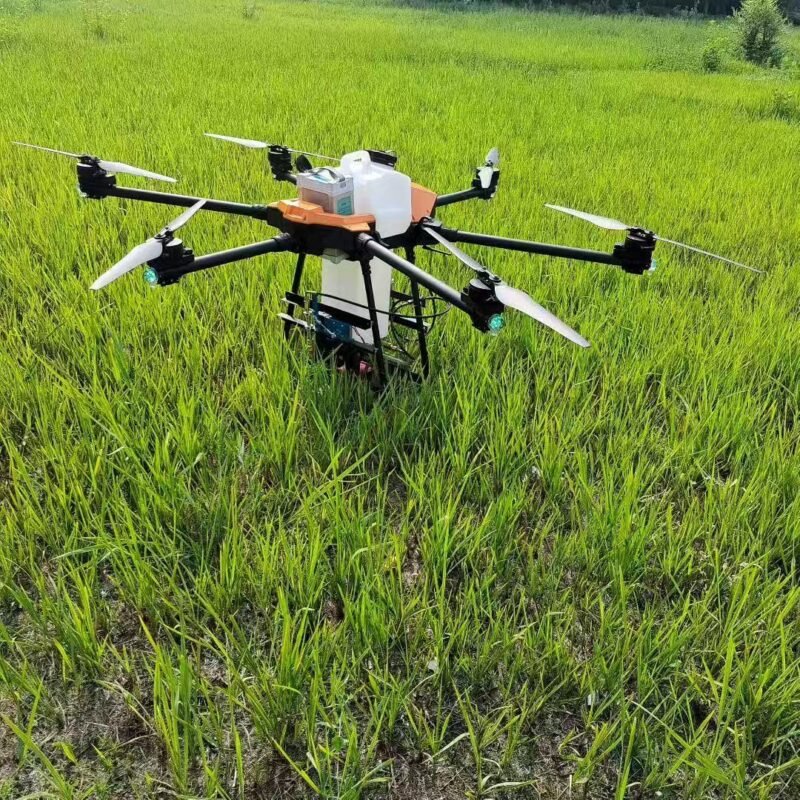
Heavy-Lift Agricultural & Survey Drone
A heavy-lift drone for crop spraying, transport and cable or land survey work — larger capacity for bigger operations.
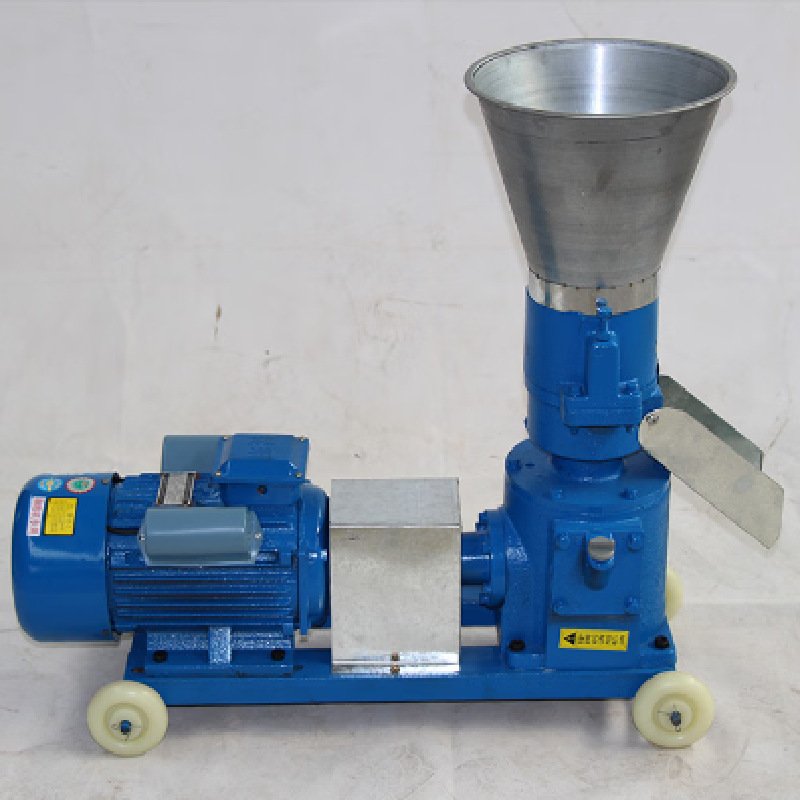
160-Type Feed Pellet Mill
A home and small-farm pelletizer that turns forage and grass into wet or dry feed pellets — lets farmers control ingredient cost instead of buying pre-made feed.
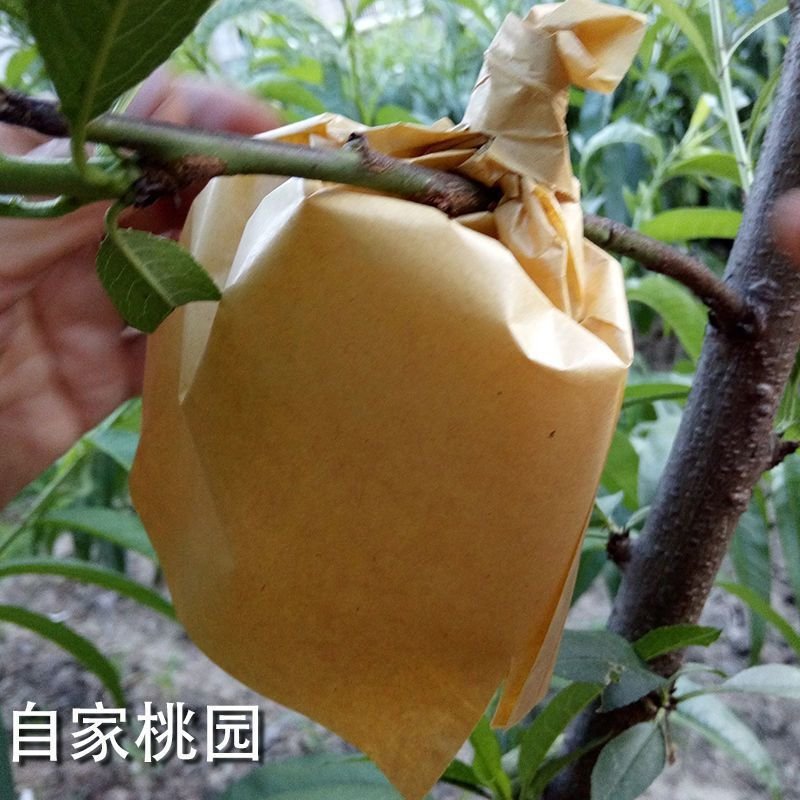
Fruit Protection Bags (Wholesale)
Wholesale protective bags for loquat, pear, peach, citrus and pomelo — keep fruit clean and insect-free on the tree. For general harvest equipment, see our rice transplanters & field machinery guide.
Questions to Ask a Supplier Before You Order
- What’s the confirmed payload capacity and typical flight time per battery charge?
- What training or setup support is included for a first-time drone operator?
- Does the feed pellet mill handle wet material, and has this been tested on grass specifically (not just dry material)?
- What spare parts (propellers, batteries, ring dies, rollers) are available and at what lead time?
- Can you arrange pre-shipment functional testing before the equipment ships?
China Sourcing, Quality Inspection & Import Considerations
Your landed cost is more than the sticker price. Factor in freight and customs before you commit — our guides on the total cost of importing from China and sea freight vs air freight explain the numbers, and it always pays to verify the supplier before you pay. DE International handles the full chain: factory sourcing and verification, pre-shipment quality inspection, and freight, customs clearance and delivery — including coordination on any import documentation drone equipment requires.
Frequently Asked Questions
Do I need to register an agricultural drone with CAAB?
Almost certainly, given typical weight and capability. Bangladesh’s drone regulations require registration for drones above 250 grams. Confirm the current requirement with CAAB directly before or alongside your order.
How much farmland can a spraying drone cover per flight?
It depends on spray rate, crop density, and flight/battery time, not just payload capacity. Tell us your typical field size and crop type when requesting a quote and we’ll help size the right configuration.
Can a feed pellet mill process fresh-cut grass without drying it first?
Wet-material handling varies by model, so confirm this specifically when requesting a quote rather than assuming from a general “wet and dry” description.
Is operator training available for agricultural drones?
Training support should be confirmed as part of your order — safe, effective spraying requires real flight and application skill, not just owning the equipment.
Browse the full agro machinery range in our shop, or tell us what you need and we will quote sourcing plus delivery. See our services or contact us.
Prefer to talk it through?
✉ Chat on WhatsApp for a Quote