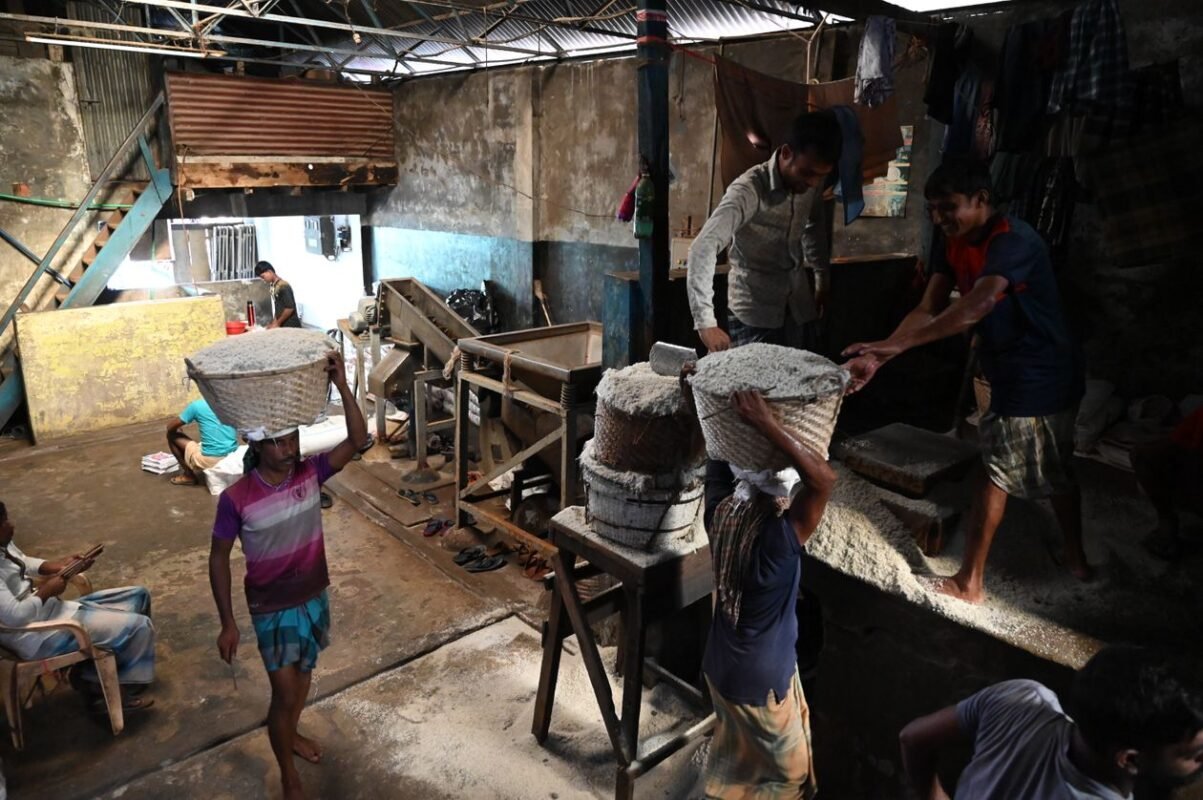
The graded levels of Customs physical examination in Bangladesh, from a light marks-and-numbers first check to a full destuff, why a declaration is routed to the red channel, and how to prepare a container so the check clears fast.
Author Archives: DE International
How non-intrusive inspection (container X-ray scanning) works at Chattogram: where it sits in ASYCUDA clearance, what officers look for in a scan image, what triggers an unexpected scan, and how to stop it becoming a delay.
A plain guide to the bill of entry in Bangladesh: what it declares, the IM4 to IM9 procedure codes, the data and documents it needs, how it flows through ASYCUDA World, and the errors that cause port delays.
China and Bangladesh both sit in the Asia-Pacific Trade Agreement, so qualifying goods can be imported at a reduced preferential duty. How the APTA Certificate of Origin works and how to claim it at Chattogram.
A pallet without the right mark can get your whole consignment held at the port. What ISPM 15 covers, how to read the HT/MB mark, and how to keep wood packaging from causing a border delay.
Most warehouse losses are decided in the first thirty minutes at the dock. The seal check, count sequence, damage documentation and putaway steps a small import warehouse should run on every delivery.
The aluminium pallets and containers behind your air freight rate. How ULDs, pivot weight and fuselage contour explain why bulky and odd-shaped cargo costs more to fly from China.
Storing seed is a humidity problem before it is a temperature problem. How to design a small dry cold room for orthodox seed, why packaging decides the outcome, and what to test.
The bill of lading is a title document, so its type decides who controls your cargo in transit. Straight, to-order, bearer, switch, and telex release explained for Bangladeshi importers.
The two documents look alike but do different jobs, and Customs cross-checks them. The specific quantity, weight and description mismatches that send a shipment to physical examination.