
Import & Export Guides
Cold Chain for Boroi (Kul, Jujube) in Bangladesh: Cutting Losses After Harvest
Oct
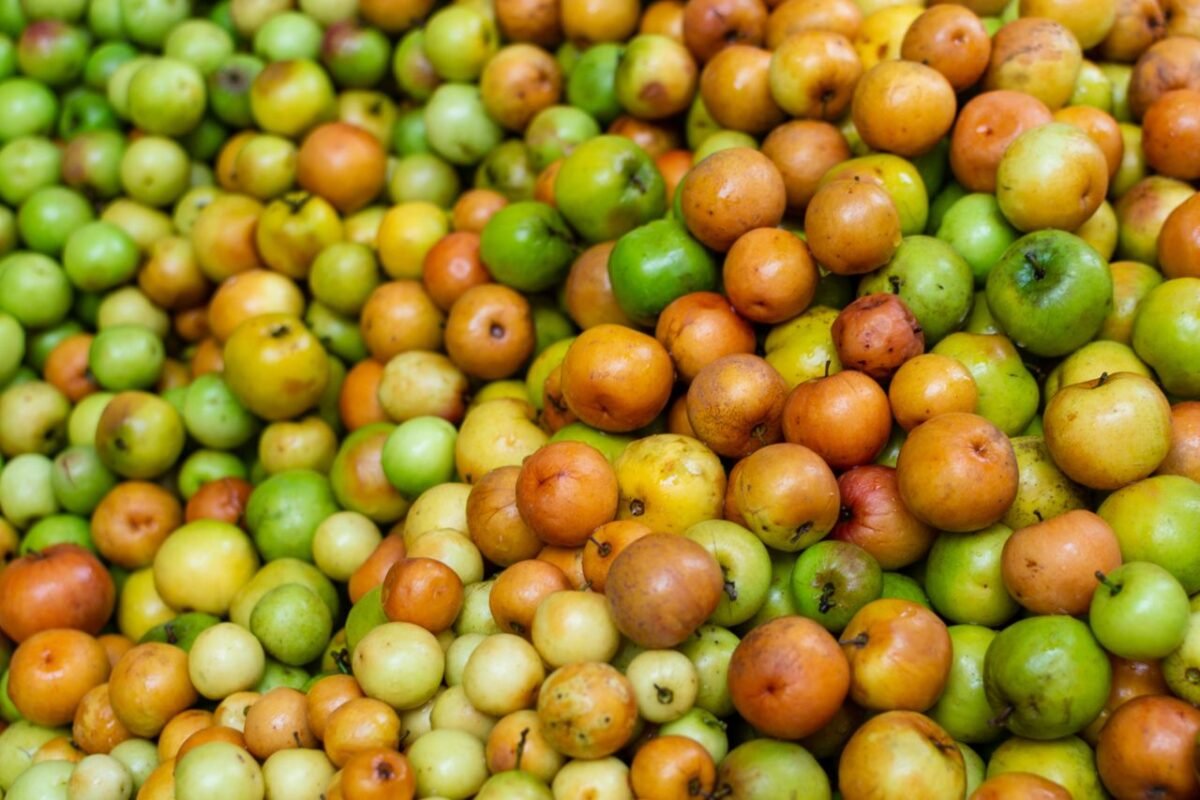
Not long ago, boroi was mostly a backyard fruit in Bangladesh, picked from a tree by the pond and eaten with salt and chilli. Improved varieties such as Apple kul, BAU kul and Thai kul changed that. Farmers in many districts now grow boroi in dedicated orchards, harvest in volume through the winter season, and send truckloads to Dhaka, Chattogram and other city markets. The crop has become a real business, and with that has come a problem that every commercial fruit eventually meets: what happens to the fruit between the tree and the buyer.
Boroi, known botanically as Ziziphus mauritiana or Indian jujube, looks tough. It is not. Once picked it loses moisture, softens, wrinkles and becomes vulnerable to rot, and the commercial varieties are often harvested during a short peak when markets are flooded and prices fall. A cold chain does not change the season, but it can change how much of the harvest reaches a buyer in saleable condition and how long a trader can hold fruit when prices are poor. This guide explains where losses occur and what practical steps reduce them.
Why boroi deteriorates so quickly
Postharvest researchers describe Indian jujube as a non-climacteric fruit, meaning it does not continue to ripen in the way mangoes or bananas do after harvest. What you pick is close to the quality you will get. From that point on, quality only goes one way, and three processes drive the decline.
The first is water loss. Boroi has a relatively thin skin and a high ratio of surface area to weight for small varieties. Every hour in warm, dry or windy air draws moisture out of the fruit, which shows first as dullness and then as visible shrivelling. Shrivelled fruit loses its crunch, which is exactly what buyers of fresh boroi pay for.
The second is respiration. Like all living produce, picked fruit keeps breathing, using up sugars and producing heat. The warmer the fruit, the faster this happens, which is why fruit left in the sun after picking deteriorates noticeably faster than fruit moved quickly into shade.
The third is decay. Bruises, punctures from thorns and stems, and splits give fungi an entry point. Once rot starts in a crate, it spreads to neighbouring fruit, and a single damaged boroi can spoil far more than itself.
Colour change is a fourth factor that affects price. Many varieties are sold at a green or green-yellow stage, and fruit that turns brown or overly red in storage may be valued lower even if it is still edible. Cooling slows this change.
Where losses happen between orchard and market
Boroi typically moves through several hands. The weak points tend to be the same in most districts.
- Harvest time: picking in the heat of the day loads the fruit with field heat that keeps it respiring fast for hours.
- Field collection: fruit piled in the open, often in sacks or large heaps, is crushed at the bottom and heated in the sun.
- Packing: large bamboo baskets or sacks offer no protection against compression and little ventilation.
- Transport: open trucks expose fruit to sun and wind for long journeys, and heavy loading bruises the lower layers.
- Wholesale market: fruit waits on the ground or in warm sheds before onward sale, sometimes for a day or more.
Our wider guide to reducing post-harvest loss with cold chain describes the same pattern across many crops. Boroi is a clear example of how much quality is lost before the fruit ever sees cold storage.
The first two hours: field heat and handling
The cheapest improvements happen before any refrigeration is involved.
- Pick in the cool part of the day, early morning where possible, so less field heat enters the fruit.
- Clip, do not pull, where the variety and labour allow, to avoid tearing the skin at the stem end.
- Move fruit into shade immediately and keep it off bare ground.
- Sort in the field: remove split, bruised or insect-damaged fruit before it goes into the same crate as sound fruit.
- Use shallow, ventilated plastic crates rather than deep sacks, so the bottom layer is not crushed.
If you can cool fruit soon after harvest, the gain is larger. Our article on pre-cooling methods for fresh produce compares forced-air cooling, room cooling and other options. For a small orchard or aggregator, a pre-cooling step in a mini cold room at the collection point is often more useful than a large store far away.
Cool storage and humidity: what actually helps
Lower temperature slows respiration and decay, and higher humidity reduces water loss. For boroi, both matter. A cold room that is cold but dry will still shrivel the fruit, which is why humidity control is as important as the setpoint. Our guide to humidity control in mini cold storage explains how evaporator design and airflow affect the moisture in a room.
The right storage temperature depends on the variety and the maturity at harvest, and fruit stored too cold for too long can suffer chilling injury, which shows up as surface pitting and browning once the fruit returns to warm conditions. Published research on Indian jujube varieties gives ranges, but they differ between varieties and studies, so we recommend that growers and traders confirm a setpoint with the Bangladesh Agricultural Research Institute or a university horticulture department for their specific variety rather than copying a figure from another country. Our article on chilling injury in tomatoes explains the mechanism, which applies to many tropical fruits.
Packaging inside cold storage also matters. Research on jujube has examined perforated plastic liners and modified atmosphere packaging as ways to reduce moisture loss. The principle is to hold humidity around the fruit while still allowing some gas exchange, because a fully sealed bag can trap moisture and encourage rot. Trial a small batch before committing a whole season’s fruit to a new packaging method.
Who benefits from a boroi cold chain
| User | What cold storage can do | What to watch |
|---|---|---|
| Orchard owner | Hold fruit a few days to avoid selling into a glut | Room size matched to peak daily harvest, not total season |
| Aggregator or collection point | Pre-cool and grade before dispatch | Sorting space and crate supply |
| City wholesaler | Reduce losses while fruit waits for buyers | Mixing with other produce that emits ethylene or odours |
| Supermarket or online grocer | Keep a consistent display quality | Condensation when fruit moves from cold to warm |
Condensation deserves a note on its own. When cold fruit comes out into warm, humid Bangladesh air, water condenses on the skin, which encourages decay. Moving fruit through a cool holding area, or keeping it in its crate until it warms gradually, reduces this.
Common mistakes and what they cost
- Storing unsorted fruit. Rot from damaged fruit spreads through the crate, and cold storage only slows it.
- Running a cold room with very low humidity. The fruit stays cold but shrivels, and buyers reject the wrinkled skin.
- Holding fruit too long in the hope of better prices. Cooling extends shelf life, not indefinitely; quality still declines.
- Mixing boroi with strongly smelling produce such as onions in the same room, which can affect flavour.
- Buying a room sized for the entire season instead of the daily flow, which ties up capital in empty space.
How DE International can help
We supply mini cold storage rooms and pre-cooling equipment from China, sized and specified around the crops and volumes our clients actually handle. For a fruit like boroi, that usually means thinking about humidity control and room layout as much as temperature. What size and configuration suits you depends on your harvest volume, location and how long you need to hold fruit, so we build each proposal around those details.
If you grow, collect or trade boroi and want to reduce losses, contact us for a quote built around your specific needs. You can also explore our services, our China sourcing and buying agent service, or browse cold storage options in our shop.
