
Import & Export Guides
Dal Mill Machine Price in Bangladesh: Machines for a Small Lentil Mill
Oct
A small dal (lentil) mill in Bangladesh needs a cleaning section (pre-cleaner and destoner), a grading sieve, a conditioning step to loosen the husk, a dehulling and splitting machine, an aspirator and sieve to separate husk and broken pieces, a polisher, and a weighing and bag sealing station. The price of a dal mill machine depends on capacity, which pulses you will process, and how automated the line is. DE International sources mini dal mill machines and complete lines from Chinese manufacturers and delivers them to Bangladesh; ask us for a quote built around your pulse type and daily tonnage.
Dal is eaten in almost every Bangladeshi home, and a large share of the lentils sold here is imported whole and then processed or repacked locally. That makes dal milling a steady business for traders who already deal in pulses in places like Moulvibazar in Dhaka, Khatunganj in Chattogram, or district wholesale markets. This guide explains the process, the machines and the decisions that affect yield.
How a dal mill works, step by step
| Stage | Machine | Purpose |
|---|---|---|
| Pre-cleaning | Vibrating pre-cleaner with sieves | Removes straw, dust, large and small foreign matter |
| Destoning | Gravity destoner | Removes stones of the same size as the grain, which sieves cannot catch |
| Grading | Rotary or flat grader | Separates grains by size so the dehuller works evenly |
| Conditioning | Oil or water treatment, tempering bins, dryer | Loosens the husk from the seed so it comes off with less breakage |
| Dehulling and splitting | Emery roller or abrasive dal mill machine | Removes husk and splits grain into two halves |
| Separation | Aspirator, sieves, gravity separator | Separates husk, unsplit grain, split dal and broken pieces |
| Polishing | Dal polisher (water, oil or dry polishing) | Gives the finished dal a clean, even appearance |
| Packing | Weighing scale, bag closer, pouch packer | Packs into sacks for wholesale or pouches for retail |
Conditioning: the step that decides your yield
The biggest difference between a profitable dal mill and a struggling one is often the conditioning step, not the dehuller. The husk of most pulses is held tightly to the seed by a natural gum layer. If you dehull without conditioning, the emery roller has to grind harder, which breaks more grains and turns good dal into low-value powder and broken pieces. Traditional mills apply a small amount of oil or water, let the grain rest, and then dry it, sometimes in the sun. Larger mills use tempering bins and a mechanical dryer so they are not dependent on the weather, which matters during the long monsoon season in Bangladesh.
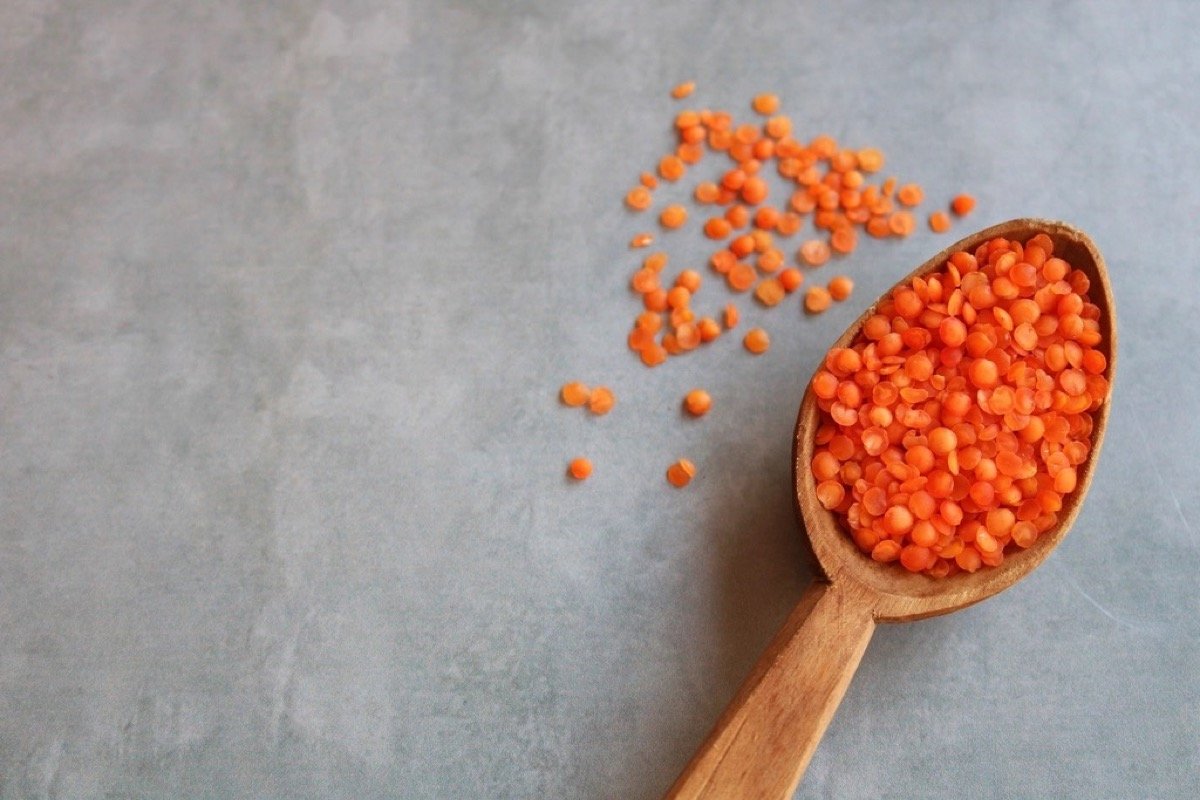
Every pulse behaves differently. Masur (red lentil) has a thin husk and splits relatively easily; mung, khesari, matar and chickpea each need their own settings. Ask the Chinese factory which pulses the machine has been tested on, and send a sample of your actual grain for a trial run if possible. Our guide to paddy and grain dryers explains drying equipment that can also serve a dal mill.
Mini dal mill or full line: which suits you
A mini dal mill combines dehulling and splitting with a basic aspirator in one compact unit. It suits a trader who wants to process their own stock or offer milling as a service in a village or upazila market. A full line adds proper cleaning, grading, conditioning, a dryer, multiple separators and a polisher, and is built for a mill that sells branded or wholesale dal.
| Point | Mini dal mill | Full dal mill line |
|---|---|---|
| Space | Small room or shed | Multi-level building or tall shed with elevators |
| Power | Often single machine motors; check phase | Three-phase supply for several motors |
| Labour | More manual handling between steps | Bucket elevators and conveyors move grain |
| Quality | Fine for local sale | Even, polished dal for branded packs |
| Investment | Lower | Higher; depends on capacity and automation |
What to check before ordering a dal mill from China
- Pulse list. Get written confirmation of which pulses the machine handles and what adjustments are needed between them.
- Roller type and spares. Emery rollers wear; ask for spare rollers and how often they need replacing for your volume.
- Separation quality. Ask for a video of the aspirator and sieves with real grain, showing clean split dal and separated husk.
- Motor voltage and phase. Confirm the motors match your supply before production starts.
- Dust control. Husk and powder create dust; a cyclone or bag filter keeps the mill cleaner and safer for workers.
- Layout drawing. Ask for a layout with heights so you know whether your building can fit elevators and bins.
A dal mill shares many machines with a rice mill and a feed mill. If you already run one of those, see our guides on rice mill machines and hammer mills, since the broken dal and husk can feed into animal feed production.
By-products: husk, broken dal and powder
No dal mill turns all of its grain into whole split dal. Husk, broken pieces and fine powder are part of every run, and how you sell them affects profit. Husk and powder are commonly sold for cattle and poultry feed. Broken dal can be sold at a lower price or ground into besan-type flour if you add a suitable grinder. Planning outlets for these by-products before you start avoids a store room full of material with no buyer.
Planning the building and the flow of grain
A dal mill is easier to run when grain moves in one direction: raw pulses arrive at one end, pass through cleaning, conditioning and milling, and leave as packed dal at the other end without crossing back. Bucket elevators lift grain between machines, so the height of the building matters. Before ordering, give the Chinese factory the length, width and roof height of your shed and ask them to draw the layout to fit it. A drawing done in advance often shows that one extra elevator or a slightly different machine order saves a lot of manual carrying later.
Plan separate storage for raw grain, conditioned grain resting in bins, finished dal, and by-products. Mixing these areas leads to contamination and makes stock counting hard. Keep raw pulses on pallets off the floor and away from walls, since damp floors in the rainy season invite insects and mould. A simple first-in, first-out rule for raw stock helps avoid old grain that has lost moisture or picked up pests.
Selling under your own brand
Many dal mills sell loose dal in sacks to wholesalers, which is simple but leaves little margin. Packing well-polished dal into branded retail pouches for shops and supermarkets can earn more, but it adds requirements: printed pouches, a weighing and sealing machine, correct labels with net weight, batch, dates and MRP, and checks on whether your product needs BSTI certification. Our guide to pouch packing machines explains the options for retail packs.
Common mistakes when setting up a dal mill
- Skipping the destoner. Stones damage rollers and a single stone in a customer’s dal ruins trust in a brand.
- No conditioning plan. Without it, breakage rises and yield falls.
- Buying for one pulse only. Prices and supply of each pulse change through the year; a mill that handles several is more flexible.
- Underestimating dust. Poor dust control causes health complaints and cleaning headaches.
- Ignoring grain moisture. Grain that is too wet or too dry breaks more; a moisture meter is a small but useful purchase.
FAQ
Which machines are needed for a small dal mill in Bangladesh?
A cleaner, destoner, grader, conditioning setup, dehuller and splitter, aspirator and sieves, polisher and a packing station.
What is the price of a dal mill machine in Bangladesh?
It depends on capacity, pulse type and automation level. DE International quotes mini mills and full lines based on your grain and daily tonnage.
Can one dal mill process masur, mung and chickpea?
Many machines can, with different settings and sometimes different rollers or sieves. Confirm the pulse list with the factory in writing.
Who imports dal mill machines from China to Bangladesh?
DE International sources dal mill machines from Chinese manufacturers and delivers them door-to-door. WhatsApp +880 1750-859967.
Get a quote from DE International
DE International sources machinery and products from Chinese factories, checks them before shipping and delivers door-to-door to Dhaka, Chattogram and anywhere in Bangladesh. Tell us which pulses you plan to process and how many tonnes per day, and we will quote a mini mill or full line. See our services, our China sourcing and buying agent service and the shop, or contact us — WhatsApp +880 1750-859967. For shipping cost questions, our cargo team at decl.bd can quote air or sea freight.
