
Import & Export Guides
Peanut Butter Making Machine Price in Bangladesh: Machines a Small Business Needs
Oct
A small peanut butter business in Bangladesh needs five core machines: a roaster, a cooling tray or cooler, a peeling machine to remove the red skin, a colloid mill or grinder to turn the nuts into paste, and a filling machine for jars. A mixer for salt and sugar, a capping machine and a labeller come next as volume grows. The price of a peanut butter making machine set depends on capacity, how much of the line is stainless steel, and whether you buy single machines or a connected line. DE International sources these machines from Chinese factories and delivers them door-to-door; ask us for a quote built around your daily output.
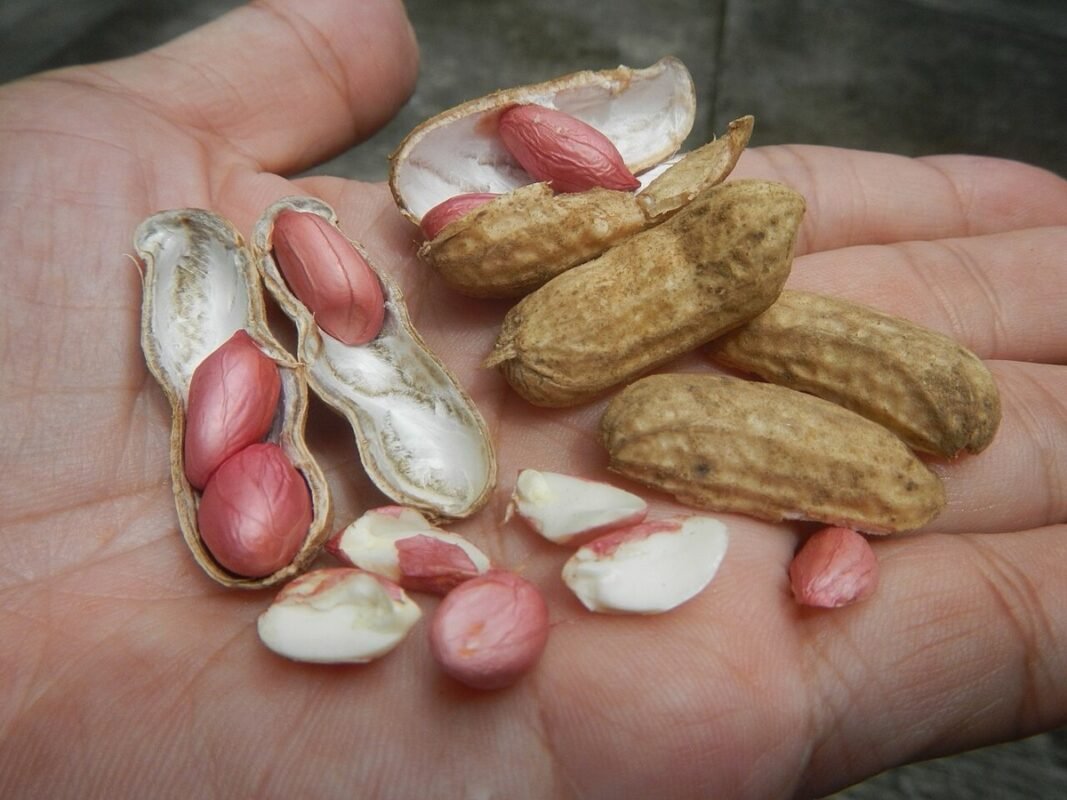
Bangladesh grows groundnuts, especially on the char lands along the major rivers, and most of that crop is sold roasted as snacks. Turning part of it into peanut butter adds value, but only if the process is hygienic and the paste is consistent from jar to jar. This guide covers the machines, the process, and the food-safety points that matter most.
How peanut butter is made, machine by machine
| Step | Machine | Why it matters |
|---|---|---|
| 1. Cleaning and sorting | Vibrating sieve, destoner, hand sorting table | Removes stones, shells and mouldy or damaged nuts |
| 2. Roasting | Drum roaster (gas or electric) | Develops flavour and colour; uneven roasting gives burnt or raw notes |
| 3. Cooling | Cooling tray or cooling conveyor with fans | Stops roasting quickly so the nuts do not over-cook |
| 4. Peeling | Dry red-skin peeling machine | Removes skins that make the paste bitter and dark |
| 5. Grinding | Colloid mill, often in two stages (coarse then fine) | Turns nuts into a smooth or crunchy paste |
| 6. Mixing | Jacketed mixing tank | Blends salt, sugar or stabiliser evenly |
| 7. Filling and capping | Piston or rotor filling machine, capper | Accurate fill weight and a clean jar rim |
| 8. Coding and labelling | Date coder, label applicator | Batch, manufacturing and expiry dates, MRP |
Why the colloid mill decides your product quality
The grinder is the heart of the line. A colloid mill shears the nuts between a fast rotor and a fixed stator, and the gap between them sets how fine the paste becomes. This creates heat. If the mill has no cooling jacket or runs too long without rest, the oil can start to separate and the paste may taste cooked. That is why many producers grind in two passes: a coarse pass to break the nuts and a fine pass for smooth butter. For crunchy peanut butter, chopped nut pieces are mixed in after grinding.
- Ask for a cooling-water jacket on the mill and check that your water supply can feed it.
- Check which parts touch the paste. Rotor, stator, hopper and outlet should be food-grade stainless steel.
- Ask how the gap is adjusted and whether the factory supplies a spare rotor and stator set, since these wear over time.
- Test with your own nuts. Many Chinese factories will run a trial with a sample you send, or with local nuts, and film the result.
Food safety: the aflatoxin problem and how machines help
Peanuts are prone to moulds that can produce aflatoxins, which are harmful toxins that roasting does not reliably destroy. The main defence is sorting: removing shrivelled, discoloured or mouldy kernels before roasting, and storing raw nuts dry. Peeling also helps, because damaged kernels often show up clearly once the skin is removed. A sorting table with good lighting, and later a colour sorter if volume justifies it, is a food-safety investment, not an extra.
Storage matters as much as machinery. Raw groundnuts held in a damp godown during the monsoon pick up moisture quickly. Buy from sources you trust, keep stock off the floor, and process in batches you can sell before the product ages. Because the right moisture targets and test limits depend on the regulations that apply to your product, confirm testing requirements with BFSA and BSTI and with a food lab before launch.
Licences and labels for a peanut butter brand in Bangladesh
A food manufacturing business needs a trade licence and food business registration, and packaged products need correct labels. Peanut butter labels should carry the product name, ingredients, net weight, batch number, manufacturing and expiry dates, MRP and the producer address. Some food products fall under BSTI mandatory certification; check the current list for your product before printing labels. Our guide to labelling requirements for packaged goods explains the label fields, and a date coder can be added to the filling line for batch and date printing.
Small start vs semi-automatic line: what to buy first
A home-scale or shop-scale producer can start with a small roaster, a peeler and a single colloid mill, filling jars by hand on a scale. This keeps investment low while you test recipes and find buyers. As orders grow, the bottleneck usually becomes filling and capping, not grinding, so a semi-automatic piston filler is often the second purchase. A fully connected line with conveyors makes sense only when you have steady wholesale or supermarket orders.
- Stage one: roaster, cooling tray, peeler, colloid mill, hand filling with a digital scale.
- Stage two: jacketed mixer, piston filling machine, manual or semi-automatic capper, date coder.
- Stage three: conveyor-linked line, automatic capping and labelling, colour sorter for incoming nuts.
The same roasting and grinding equipment can often handle other nut and seed pastes, such as sesame paste, so ask the factory whether the mill suits more than one product. Our guide to buying food processing machines from China and the import business ideas list give more options for small food factories.
Jars, caps and shelf life: packaging choices that affect machines
Packaging is not only a marketing decision; it decides which filling and capping machines you can use. Glass jars feel premium and do not absorb odours, but they are heavier to ship within Bangladesh and break in transit if cartons are weak. PET plastic jars are lighter and safer for courier delivery to online customers, which matters if you plan to sell through Facebook pages or e-commerce platforms. Each jar type needs matching change parts on the filler and capper, so decide the jar before you finalise the machine order.
Peanut butter is thick and sticky, so the filling machine must handle viscous paste. Piston fillers with a hopper heater or agitator are common for this, while simple gravity fillers designed for oil or water will not work. A clean jar rim is important for a good seal; ask the supplier for a nozzle with an anti-drip or cut-off valve. If you plan an induction-sealed foil under the cap, which many buyers see as a sign of a tamper-proof product, add an induction sealer to the line and order caps with the right liner. Our guide to vacuum and sealing machines covers related packing equipment.
Common mistakes when starting a peanut butter unit
- Skipping the peeler. Paste made with skins is darker and more bitter, and customers notice.
- Over-grinding to save time. A hot mill causes oil separation and a cooked taste.
- Weak sorting. One batch of mouldy nuts can damage a young brand and raises food-safety risk.
- Wrong jar and cap combination. Confirm jar neck size with the capping machine supplier before ordering both.
- No plan for oil separation on the shelf. Natural peanut butter separates over time; decide your recipe and explain it on the label.
FAQ
What machines do I need to make peanut butter in Bangladesh?
A roaster, cooler, peeling machine, colloid mill and a filling machine are the core set; a mixer, capper, date coder and labeller follow as you grow.
How much does a peanut butter machine cost in Bangladesh?
It depends on capacity, stainless steel grade and how many machines are in the line. Ask DE International for a quote built around your daily output.
Can a colloid mill make both smooth and crunchy peanut butter?
Yes. The mill makes smooth paste, and crunchy butter is made by mixing chopped nuts into the paste afterwards.
Who can import peanut butter machines from China to Bangladesh?
DE International sources roasters, peelers, colloid mills and filling machines from Chinese factories and delivers door-to-door. WhatsApp +880 1750-859967.
Get a quote from DE International
DE International sources machinery and products from Chinese factories, checks them before shipping and delivers door-to-door to Dhaka, Chattogram and anywhere in Bangladesh. Tell us how many kilograms of peanut butter you want to make per day and whether you want smooth, crunchy or both, and we will quote a matching set. See our services, our China sourcing and buying agent service and the shop, or contact us — WhatsApp +880 1750-859967. For shipping cost questions, our cargo team at decl.bd can quote air or sea freight.
