
Import & Export Guides
Magnetized Material in Air Freight: Shipping Speakers, Motors and Magnets from China
Sep
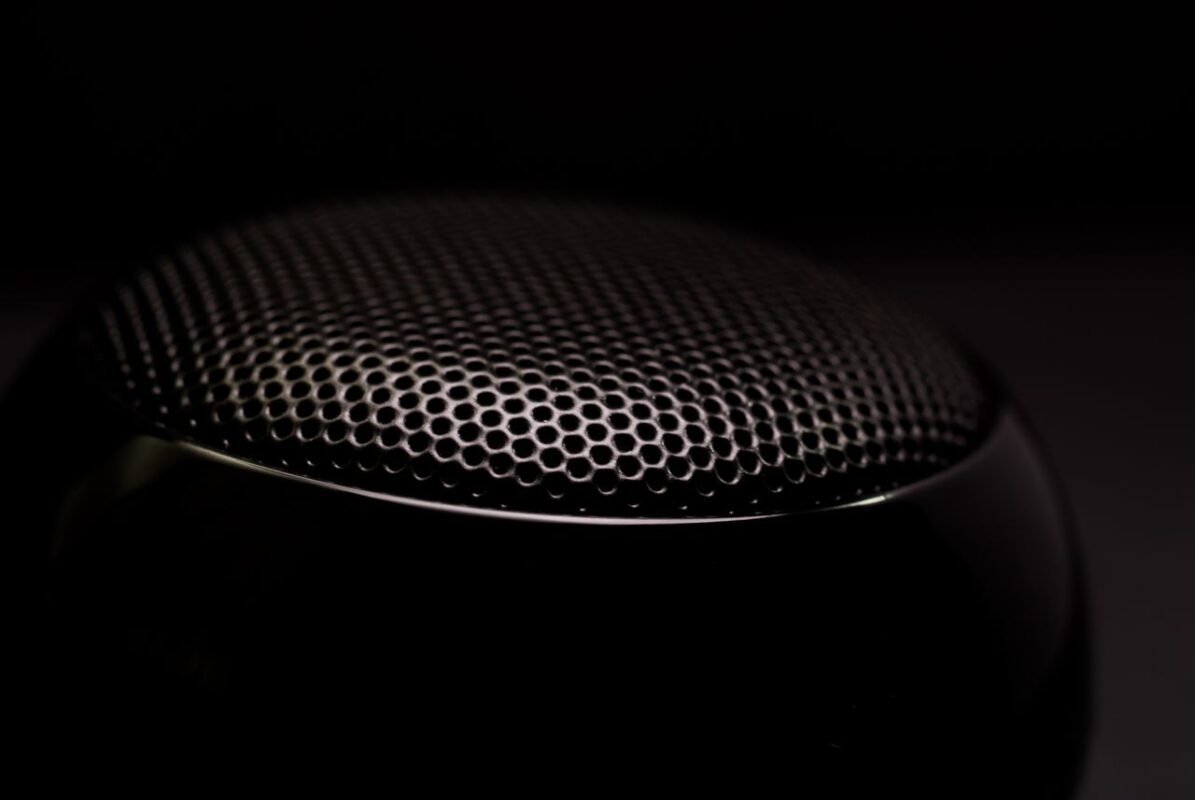
A carton of Bluetooth speakers looks harmless. It contains no chemicals, no liquids and, if the speakers are wired rather than battery-powered, no lithium cells. Yet a shipment like this can be held at a Chinese airport because nobody provided a magnetism test report. The reason is that powerful magnets — found inside speakers, motors and many toys — can interfere with an aircraft’s navigation instruments, so air transport treats strongly magnetized goods as dangerous goods.
This article explains how magnetized material is regulated in air cargo, which products are affected, what testing and paperwork Chinese airlines and ground handlers usually request, how shielding works, and when switching to sea freight simply removes the problem.
Why Magnets Are a Dangerous Good in the Air
Aircraft still carry magnetic compasses as a backup to electronic navigation, and some flight instruments rely on sensing the Earth’s magnetic field. A large concentration of magnetized cargo in the hold can create a stray field strong enough to cause deviation in those instruments. The IATA Dangerous Goods Regulations therefore list magnetized material as Class 9 (miscellaneous dangerous goods), UN 2807, packed under Packing Instruction 953.
What makes a package “magnetized material” is not the product type but the measured field strength at a defined distance from the outside of the package. Below the regulatory threshold, the goods are not restricted and move as general cargo. Above it, they must be declared, labelled and loaded according to the dangerous goods rules. Above a second, much higher threshold, they are generally not accepted at all without special approval from the relevant authorities. The exact measurement distances and field-strength limits are set out in Packing Instruction 953 and are applied by the testing laboratory, so an importer does not need to calculate anything — but you do need the test done.
It is worth noting that this is essentially an aviation problem. The IMDG Code for sea transport does not regulate magnetized material in the same way, which is why the same carton that needs a magnetism report for air can usually travel by sea as ordinary cargo.
Products That Commonly Trigger a Magnetism Check
- Loudspeakers, subwoofers, car audio drivers, PA speakers and portable Bluetooth speakers
- Loose permanent magnets, especially neodymium (NdFeB) magnets sold for crafts, industry or packaging closures
- Electric motors, including brushless DC motors for fans, drones and e-bike hub motors
- Magnetic toys and building sets, magnetic whiteboards and magnetic tool holders
- Magnetic separators, magnetic stirrers and some laboratory instruments
- Headphones and earphone drivers when shipped in large quantities
- Products containing magnetrons, such as microwave oven components
Many of these products are also battery-powered, which layers a second dangerous goods issue on top. A portable speaker can require both a magnetism assessment and a lithium battery assessment. Our guide to lithium battery air freight covers the battery side.
The Paperwork Chinese Airports Usually Ask For
In China, air cargo terminals and airlines routinely ask shippers of electrical, chemical and magnetic products for an air transport condition identification report issued by a recognised testing institute. For magnetic goods, this report states the measured field strength, whether the goods are restricted, and the correct transport conditions. A general non-dangerous goods statement from the factory is usually not enough on its own for speakers or magnets, because the terminal wants an independent measurement.
Key points about these reports:
- They are issued per product model and packing configuration. If the factory changes the carton, the number of units per carton, or the magnet size, the old report may no longer apply.
- The shipper name, product name and model on the report should match the commercial invoice and packing list. Mismatches cause rejection at the terminal.
- Many reports carry a validity period or are tied to a particular year; ask the factory for the current one, not a copy from a previous order.
- For goods that test as restricted, the forwarder will also need a proper Shipper’s Declaration for Dangerous Goods prepared by trained staff.
Our article on non-dangerous goods certificates and SDS for air freight explains how these documents fit together with the other supporting paperwork airlines request.
How Shielding and Packing Can Bring a Shipment Below the Limit
Because the rule is about the field measured outside the package, packing design can change the result. Factories and packers use several methods:
- Pairing magnets pole to pole so their fields largely cancel. Loose magnets are often packed in stacks with spacers arranged so that neighbouring magnets oppose each other.
- Keepers — steel plates placed across magnet poles to close the magnetic circuit.
- Shielding the inner box with sheet steel or specialised high-permeability shielding materials.
- Increasing distance between the product and the outside of the carton with extra padding, since field strength falls off quickly with distance.
- Reducing units per carton, which reduces the combined field.
Each change should be retested, because the report must describe the packing that actually ships. Shielding adds weight, and in air freight weight costs money, so there is a trade-off between the extra chargeable weight and the convenience of flying the goods as general cargo. For large, heavy speaker cabinets, the calculation often points toward sea freight instead.
A Step-by-Step Approach for a New Speaker Order
- At the RFQ stage, ask the supplier whether they already hold a magnetism or air transport identification report for the exact model and carton configuration you are buying.
- At sample stage, if you plan to air-freight samples, send the sample through an express courier that knows the product type, and ask them in advance what they require.
- Before bulk production ends, confirm the final carton size and units per carton, then have the report issued or updated to match.
- At booking, give your forwarder the report together with the invoice and packing list, so the terminal does not discover the issue at acceptance.
- If the result is restricted, decide early between shipping as declared dangerous goods, repacking with shielding, or moving the cargo to sea freight.
Air or Sea: Choosing the Right Mode for Magnetic Goods
| Factor | Air freight | Sea freight |
|---|---|---|
| Magnetism regulation | Class 9 UN 2807 if above threshold | Generally not regulated as dangerous for magnetism |
| Documents needed | Test or identification report; DGD if restricted | Standard commercial documents |
| Risk of terminal hold | Real if paperwork is missing or mismatched | Low for magnetism specifically |
| Best suited to | Urgent restocks, samples, small high-value lots | Bulk speaker orders, heavy cabinets, motors |
For many importers the practical pattern is to fly a small first batch or urgent restock with full paperwork, and move the main volume by sea. Our comparison of sea freight versus air freight covers the wider cost and timing trade-offs.
Common Mistakes With Magnetic Cargo
- Declaring speakers simply as “electronics” — the terminal screening team may still identify magnets on X-ray and hold the cargo for a report, adding delay and storage charges at origin.
- Reusing an old report after the factory changed the carton — the shipment can be rejected because the report no longer matches.
- Mixing magnetic and non-magnetic products on one air waybill without assessing the combined shipment — one problem carton can delay everything booked with it.
- Forgetting the battery — a speaker with a lithium cell needs both assessments, and passing one does not cover the other.
- Assuming courier and airline rules are identical — express operators can apply their own additional restrictions.
Air cargo also passes through security screening at origin, which is when many undeclared magnetic items are caught. See our guide to air freight security screening for how that process works.
Every shipment is different, so we do not publish one-size-fits-all numbers here. If you want help with shipping speakers, motors, magnets or other magnetic products from China, contact DE International and ask us for a quote built around your actual product, volume and route. You can also browse our sourcing, freight and C&F services, our China sourcing and buying agent service, or products already available in our shop.
