
Import & Export Guides
Cold Chain for Hilsa (Ilish): Handling, Glazing and Frozen Distribution
Sep
Hilsa is Bangladesh’s national fish, a protected geographical indication, and a product with a brutally short fresh window and a sharp seasonal price swing. Getting it from the boat to a domestic freezer—or to an export box for the diaspora market—without losing quality is a cold-chain problem with its own quirks: a very oily fish that goes rancid quickly, a delicate flesh that bruises, and a distribution pattern that spikes around Ramadan, Pahela Baishakh and the monsoon catch. This article walks through the handling chain and the equipment decisions.
Why hilsa is harder than most fish
Hilsa has a high fat content, and fat oxidises. That is what causes the off-flavour and yellowing you see in poorly stored ilish—rancidity, not spoilage bacteria alone. Oxidation runs faster with exposure to air, light and warmth, so the cold chain for hilsa is as much about excluding oxygen and holding a genuinely low temperature as it is about avoiding the microbial spoilage that limits leaner fish. The flesh is also soft and the belly cavity delicate, so rough handling and heavy stacking cause physical damage that shortens shelf life further.
The first few hours on the boat and at landing
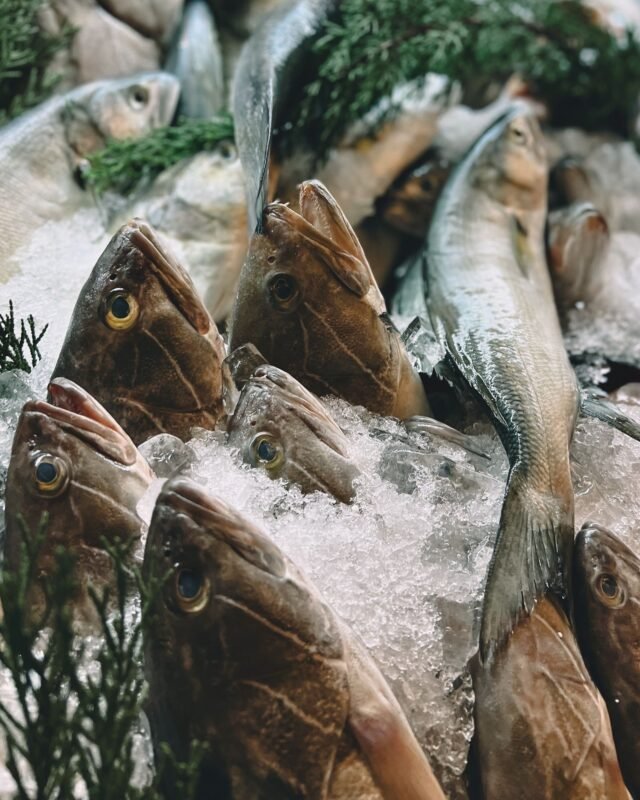
Quality is set before the fish ever reaches a processor. Hilsa that was iced immediately on the boat in a good fish-to-ice ratio, kept out of the sun, and landed within a day is a different product from fish that sat warm in the hull. At the landing centre the chain continues: chilled holding, quick grading by size, gentle handling into insulated boxes with fresh flake ice, and prompt transfer to a chilling room or a refrigerated vehicle. Every warm hour here is quality you cannot get back later by freezing harder.
Freezing: IQF, block and plate
For frozen hilsa there are three common routes. Individually quick frozen (IQF) freezes each fish separately at high speed, so buyers can take out one fish at a time—good for retail and for the export gift trade. Block freezing packs fish into a mould and freezes the whole slab in a plate freezer; it is efficient and protects the fish inside the block from air, but the buyer thaws the whole block. Blast freezing in an air-blast tunnel is the general workhorse. The common requirement across all three is speed: fast freezing makes small ice crystals that do less damage to the soft flesh, which is why a proper blast or plate freezer matters and a domestic chest freezer does not do the job for commercial volume. See blast freezing versus sharp freezing for the mechanism.
Glazing: the ice coat that protects the fish
After freezing, hilsa for storage and distribution is usually glazed—dipped in or sprayed with clean chilled water so a thin shell of ice forms over each fish. The glaze is a sacrificial barrier: it stops the fish surface from contacting air, which slows both fat oxidation and freezer burn, and it takes the brunt of any minor temperature fluctuation during handling. Glaze is applied as a percentage of product weight and re-glazing is done if stock is held a long time and the coat sublimes away. Two honest points for buyers and sellers: the glaze is water, so it must be declared and not counted as fish weight, and over-glazing to inflate weight is a real trade dispute—net fish weight is what should be contracted.
Storage and transport temperature
Frozen fish for distribution and export is held at minus 18 degrees Celsius or colder, and for an oily fish like hilsa that you want to store for months, colder is better—many processors hold ilish nearer minus 25 to slow oxidation further. The killer is fluctuation, not the absolute number: a store that cycles between minus 12 and minus 20 does more cumulative damage than a steady minus 18, because each warm swing drives moisture migration and crystal growth. That means a cold store with enough refrigeration capacity, good door discipline and a real temperature log, plus reefer transport that holds setpoint—not a truck that runs its unit only when the driver remembers.
The seasonal distribution problem
Hilsa demand is spiky. The monsoon catch floods the market and prices fall; then demand surges around major festivals and the off-season, and prices climb. A trader who can freeze and hold through the glut and release into the peak captures that spread—but only with cold storage that can take a large intake quickly (pull-down capacity), hold it stable for months, and dispatch in cold-chain vehicles. Without that, you are a price-taker every week. Our notes on cold storage for fish and frozen foods and mini cold storage for seafood processing cover sizing that kind of facility.
Export specifics
Hilsa exports—chiefly to the diaspora market—go through Department of Fisheries oversight, need the processing plant to meet the applicable hygiene and HACCP requirements, and require a continuous frozen chain from plant to destination. Packaging is typically IQF fish in printed cartons with the net and gross weight and the glaze percentage stated. Air freight for a festival deadline follows the same cold-lane discipline as any perishable—see perishable cargo by air freight—while sea reefer suits steady-volume routes. The broader export cold-chain picture is in cold chain for shrimp and prawn export, which shares much of the same infrastructure.
Grading, sizing and packing for two different buyers
A domestic wholesaler and an export buyer want the fish presented differently, and the cold store has to serve both. For the domestic trade, hilsa is usually graded into broad size bands, block-frozen or loosely packed, and moved in bulk through refrigerated transport to city markets and retailers, with the buyer thawing whatever quantity is needed. For the export gift trade—largely the diaspora market—fish are graded tightly by weight, individually quick frozen so a customer can remove one fish at a time, glazed, and packed in printed cartons that state net fish weight, gross weight and the glaze percentage, with batch and processing details for traceability.
Running both from one facility means enough freezing capacity to handle a large seasonal intake quickly, separate holding for graded export stock, and a packing area that can switch between bulk and retail formats. It also means honest labelling on every carton, because the export market and its regulators check net weight against glaze, and weight disputes over over-glazed fish are a recurring problem in the trade.
Common quality failures and what causes them
- Yellowing and rancid odour — fat oxidation from air exposure, weak or missing glaze, or storage that is not cold enough for an oily fish held for months
- Soft, mushy texture after cooking — slow freezing, or a thaw-refreeze cycle that grew large ice crystals and ruptured the flesh
- Freezer burn — dry grey patches from prolonged exposure to fluctuating temperature and sublimation of the glaze without re-glazing
- Belly bursting and bruising — rough handling and heavy stacking of a delicate fish, often before it ever reached the processor
- Weight shortfall on arrival — excessive glaze counted as fish, or drip loss from an earlier warm spell
Almost every one of these traces back to the first hours after the catch or to an unstable cold store, not to the freezing step alone. Fix icing on the boat and door discipline in the store and most of the list disappears.
We are not going to quote a glaze percentage, a holding cost or a price spread here—the right glaze depends on your storage duration and buyer contract, and the economics depend on your volume, your power situation and the season you buy and sell in. Those are calculations to run against your real numbers. If you want to build or equip a hilsa cold store, or import blast freezers, plate freezers and reefer bodies from China, contact DE International. See our cold-chain and sourcing services, our China buying-agent service, and the equipment catalogue.
