
Import & Export Guides
Mongla Port vs Chattogram Port for China Imports: Which Should You Use?
Sep
Ask most Bangladeshi importers which port their China cargo comes through and the answer is automatic: Chattogram. It handles the vast majority of the country’s container trade, and nearly every forwarder quote defaults to it. But Bangladesh has a second seaport, Mongla, on the Pasur river in Bagerhat, and since the Padma Bridge opened in 2022 the road link between Mongla and Dhaka has become far more direct than it used to be. That has pushed some importers to ask whether Mongla is worth considering. The honest answer is “sometimes” — and this article explains when.
How the two ports differ physically
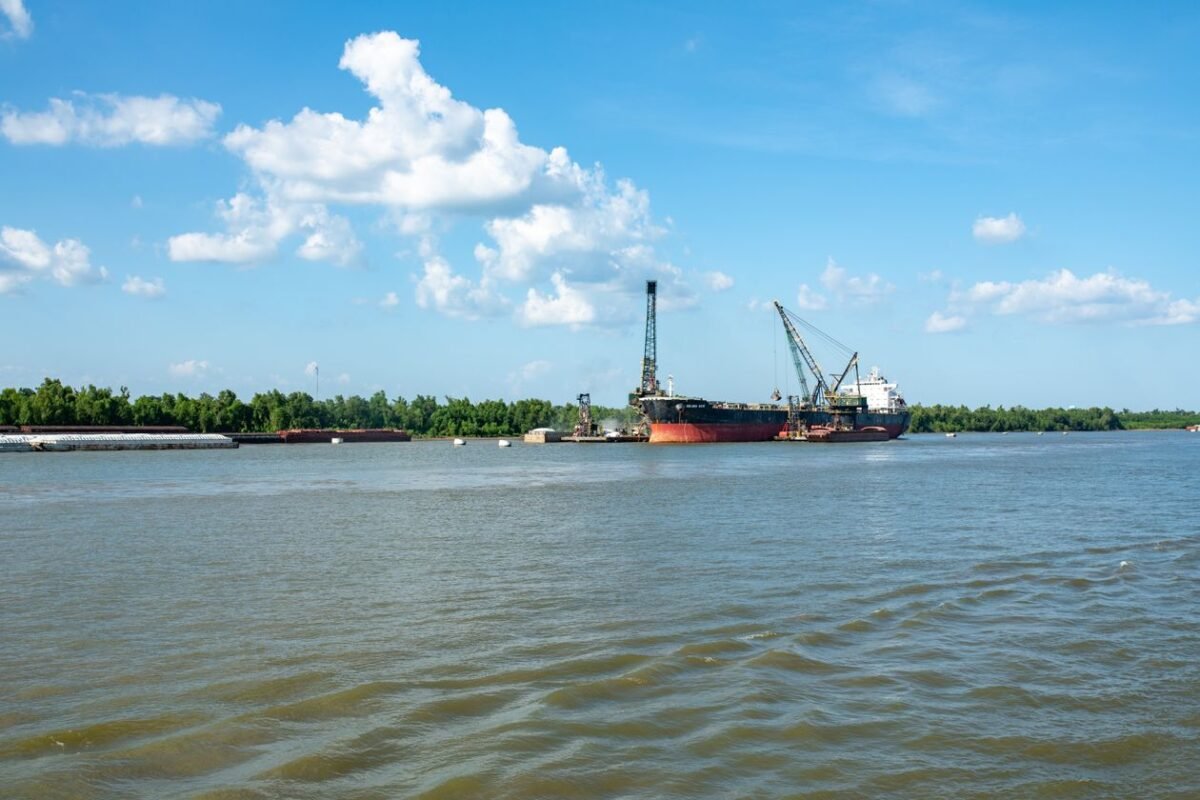
Chattogram sits near the mouth of the Karnaphuli river and is the country’s main gateway, with dedicated container terminals, a large container yard, and a dense ecosystem of shipping-line offices, C&F agents, off-dock depots and truckers around it. Mongla is a river port reached through a long navigation channel, and the depth of that channel limits how large a vessel can come alongside. Dredging work has been carried out to improve access, but the practical effect today is that Mongla is served by fewer and smaller container vessels than Chattogram.
Neither port receives large mainline ships from China directly in the way Singapore or Colombo do. Container cargo from Chinese ports normally transships at a regional hub and arrives on a feeder vessel. The question is therefore not “which port is closer to China” but “which port has a regular feeder service from the hub your carrier uses, with space available when you need it”.
Where Mongla can make sense
- Consignees in the south-west. For a business in Khulna, Jashore, Satkhira or Bagerhat, cargo landed at Mongla avoids a long cross-country haul from Chattogram.
- Some Dhaka consignees after the Padma Bridge. For parts of south and west Dhaka, the road from Mongla via the bridge is now a realistic alternative, especially when Chattogram is congested.
- Specific cargo types with an established Mongla trade. Mongla has long handled reconditioned vehicles, and some bulk and break-bulk cargoes; the customs staff, agents and yards there are used to them.
- The Mongla EPZ. Factories inside the Mongla Export Processing Zone naturally route through the nearby port; our EPZ import rules guide covers the zone procedures.
Where Chattogram is still the safer default
For most general cargo from China the default is Chattogram, for reasons that have little to do with the port itself and much to do with the network around it. More feeder sailings mean more choice when a vessel is full or a booking is rolled. More C&F agents and depots mean more competition and more capacity. More trucking companies mean it is easier to find the right vehicle on short notice. And because most importers use Chattogram, most forwarders’ LCL consolidation services also end there — a small shipment will often only be offered to Chattogram.
| Question to ask | Chattogram | Mongla |
|---|---|---|
| Feeder frequency from regional hubs | Many services | Fewer services — check before booking |
| LCL consolidation availability | Widely offered | Limited |
| Congestion risk | Higher at peak times | Generally lower, but capacity is smaller |
| Best-placed consignees | Chattogram, Dhaka, north and east | South-west; some Dhaka routes via Padma Bridge |
| Local service ecosystem | Very large | Smaller, specialised |
The paperwork does not get simpler at Mongla
Customs procedure is the same national system at both ports. The Bill of Entry is lodged through ASYCUDA World, assessment follows the same tariff and valuation rules, and examination can happen at either port. What changes is the customs station: Mongla cargo is handled by the Mongla Custom House, so the Bill of Entry is lodged there, and the C&F agent needs to be licensed and active at that station. An agent who works only at Chattogram may not be able to help.
The bill of lading also has to name Mongla as the port of discharge from the start. Changing the destination port after the cargo has sailed is possible only with the carrier’s agreement, usually at a fee, and it can take the container off its planned feeder. This is the single most important point: the port decision is made at booking in China, not when the ship arrives.
A worked decision: three example importers
A Khulna agro-processor importing one container of machinery. Mongla is worth quoting. If a feeder service to Mongla is available within an acceptable window, the saving on inland transport and the lower congestion may outweigh a slightly longer sea routing. A Dhaka online seller importing two cubic metres of mixed goods every month. Chattogram almost certainly wins, because LCL services to Mongla are rare and consolidation at Chattogram keeps the per-shipment cost manageable. A Narayanganj garment supplier importing full containers of fabric on tight production deadlines. Chattogram is the default for its sailing frequency, but it is sensible to ask the forwarder for a Mongla alternative during known congestion periods, as a fallback rather than a switch.
Getting cargo from Mongla to its final destination
Landing cargo at Mongla is only half of the decision; the other half is what happens after release. The trucking market around Mongla is smaller than the one around Chattogram, so for a full container going to Dhaka it is sensible to line up the haulier before the vessel arrives rather than looking for a prime mover on the day of release. The route to Dhaka now runs over the Padma Bridge, which removed the ferry crossing that used to make this leg slow and unpredictable, but the bridge carries a toll and the approach roads have their own congestion at busy times.
Empty container return is the other detail importers overlook. If the shipping line wants its empties back at Mongla, a sealed container delivered to Dhaka must make the full return journey, and the detention clock runs the whole way. If the line allows empties to be returned at a depot elsewhere, the calculation changes completely. Ask the line, in writing, where empties must go before choosing to take the full container inland.
Questions to put to your forwarder before choosing a port
- Which feeder operators serve Mongla from the transshipment hub on this routing, and how often do they sail?
- Is the quoted transit time to Mongla based on a confirmed feeder connection or an estimate?
- Are the destination local charges at Mongla different from Chattogram for this carrier?
- Which C&F agent will clear the cargo at Mongla Custom House, and have they handled this type of goods there before?
- Where must the empty container be returned, and how many free days does the line allow at Mongla?
A forwarder who cannot answer these clearly is effectively guessing, and a guessed routing through a smaller port is a risk you should only take with cargo that is not time-critical.
Mistakes to avoid when trying Mongla
- Booking Mongla without confirming that a feeder service actually runs from your carrier’s transshipment hub — cargo can sit at the hub waiting for the next available vessel.
- Assuming your usual Chattogram C&F agent can clear at Mongla without checking.
- Forgetting that empty container return, detention free time and depot locations are set by the shipping line per port — read the line’s terms for Mongla specifically.
- Comparing only ocean freight. Compare the total landed cost: freight, local charges, clearance, inland haulage and the cost of any delay.
Whichever port you choose, it pays to understand port congestion at Chattogram and demurrage and detention before the ship arrives.
Every shipment is different, so we do not publish one-size-fits-all prices or timelines for Mongla or Chattogram routings. Ask us for a quote built around your product, volume and destination — we will tell you honestly what applies to your case. See our full list of services, browse the product catalogue, learn how our China sourcing and buying agent service works, or contact DE International to talk it through.
