
Import & Export Guides
Hermetic Storage Bags for Rice, Pulses and Seed in Bangladesh: How Airtight Storage Works
Oct
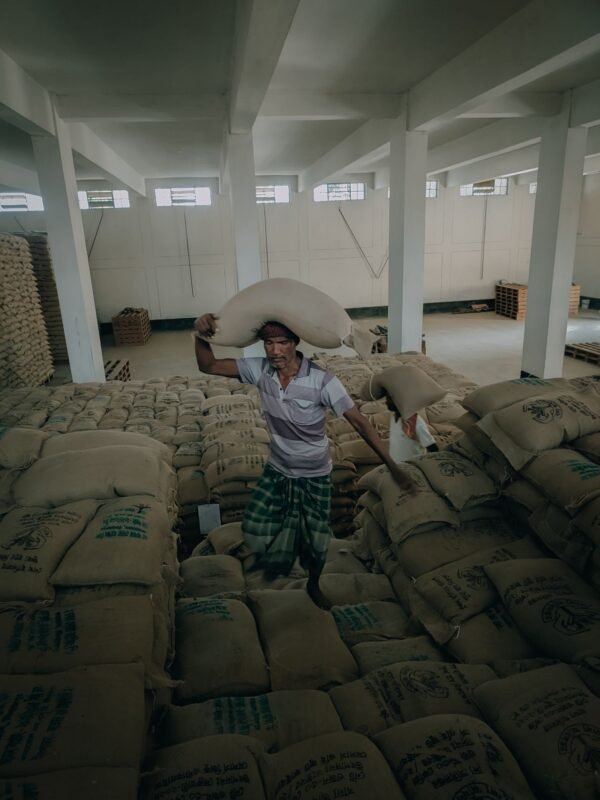
Walk into a rural storeroom in Bangladesh a few months after the Boro or Aman harvest and you can often tell how storage is going by the dust. Fine powder on the floor, small holes in grain, moths around the door: these are the signs of storage insects such as rice weevils and lesser grain borers at work. Families and traders respond with fumigant tablets, insecticide dust or simply by selling early at a poor price. There is another option that has been studied and promoted in South Asia and Africa for years, and it uses no chemical at all: sealing the grain in an airtight bag.
Hermetic storage is not refrigeration, and it is not new. It is a simple idea applied with better materials. This guide explains how it works, what crops it suits, how it compares with jute sacks and cold storage, and the practical mistakes that cause it to fail. It belongs alongside our wider coverage of post-harvest loss reduction, because for dry commodities, keeping grain sound is often more about air and moisture than temperature.
How airtight storage kills insects without chemicals
Grain is alive in a slow way, and so are the insects and fungi in it. All of them use oxygen and give off carbon dioxide. In an ordinary jute sack, fresh air constantly replaces what they use, so insects can feed and breed for months.
In a properly sealed hermetic bag, no fresh air enters. As insects, their larvae and the grain itself continue to respire, oxygen inside the bag falls and carbon dioxide rises. Below a certain oxygen level, insects stop feeding, cannot develop and eventually die. Mould growth is also restricted, provided the grain was dry enough when it was sealed. The bag effectively turns the pest’s own breathing against it.
The barrier layer is what makes this work. Most commercial hermetic bags use one or more inner liners made of a high-barrier plastic film that restricts the passage of oxygen and moisture, often placed inside an outer woven bag for strength. Well-known examples include the Purdue Improved Crop Storage bag, developed through Purdue University programmes, and the IRRI Super Bag associated with the International Rice Research Institute, which has been introduced to farmers in Bangladesh among other countries. The exact construction varies by brand, so check the specification of any bag you buy.
What crops it suits
Hermetic storage works for dry, durable commodities that are normally stored at ambient temperature. In the Bangladesh context, that includes:
- Paddy and milled rice held by households, millers or traders.
- Pulses such as lentils, mung and chickpea, which are very vulnerable to bruchid beetles.
- Maize, now a major crop in northern districts, used for feed and food.
- Wheat and other cereals.
- Seed kept for the next season, where both insect damage and moisture uptake reduce germination.
It does not suit fresh produce such as potatoes, onions or fruit, which need ventilation and in many cases cooling. Those belong in a different system, described in our guides to cold storage for potatoes and vegetables and onion and garlic storage.
Drying first: the rule that decides success
The most important step happens before the bag is ever sealed. Grain must be dried to a safe moisture content. If wet grain is sealed, the moisture has nowhere to go. Respiration produces heat and more moisture, mould can develop, and the result can be a bag of spoiled, smelling grain that is worse than if it had been left in a jute sack.
What counts as safe moisture depends on the crop, the storage period and the intended use, and seed generally needs stricter limits than food grain. Agricultural extension services and the Bangladesh Rice Research Institute publish guidance for local crops, and a simple grain moisture meter is a worthwhile investment for anyone storing in volume. The traditional bite test is better than nothing but cannot reliably tell the difference between safe and unsafe grain near the limit.
Humid weather after harvest is the main obstacle in Bangladesh, particularly for Aman paddy and for crops harvested as the monsoon begins. Mechanical dryers and solar drying help. Our guide to harvesters and seeders covers some of the field machinery that shortens the time grain spends exposed after cutting.
Filling, sealing and storing the bags
Even a good bag fails if it is filled and handled badly. The usual recommended practice is:
- Fill the liner fully and press out as much air as possible, since less trapped air means oxygen falls faster.
- Twist and tie each liner separately, folding the twisted neck back on itself before tying, so there is no straight air path.
- Store bags off the floor on pallets or a platform, away from walls, to avoid moisture from the ground and to allow inspection.
- Protect against rodents. Rats can chew through plastic liners, and a single hole destroys the airtight seal. Our article on rodent and moisture control in storage applies here directly.
- Avoid opening bags repeatedly. Each opening lets oxygen back in and restarts the process. Households that need grain week by week can use several smaller bags rather than one large one.
- Handle with care. Do not drag bags or stack them on sharp edges, and check liners for punctures before reuse.
Hermetic bags compared with other options
| Method | Insect control | Chemical use | Main limitation |
|---|---|---|---|
| Jute or woven sack | Poor without treatment | Often needs insecticide or fumigation | Grain open to air and pests |
| Fumigation under sheets | Effective when done correctly | Uses toxic fumigants | Safety risk; needs trained operators |
| Hermetic bag | Good when dry grain is properly sealed | None | Punctures and wet grain cause failure |
| Metal or plastic silo | Good if airtight | Usually none | Higher cost; suited to fixed sites |
| Cold storage | Slows insects and ageing | None | Running cost; better suited to high-value seed |
Cold storage and hermetic storage are not competitors. For high-value seed, they can work together: seed sealed in moisture-proof packaging and held in a cool room keeps viability longer than either method alone. Our guide to seed storage and viability in mini cold storage explains why temperature and moisture together drive seed ageing.
Checking stored bags without breaking the seal
Because opening a bag undoes its protection, inspection has to rely on what you can see and feel from outside. A sealed bag of dry grain should stay firm and quiet over time. Watch for a few warning signs. Condensation on the inside of the liner suggests the grain went in too moist. A musty or sour smell near the neck points to mould. Live insects crawling on the outside of the liner, or fresh powder around a bag, usually mean there is a puncture letting air in. A bag that feels warm to the hand compared with its neighbours deserves attention, because heating is a sign of active respiration from moisture or pests.
When you do need to open a bag, use the grain inside within a reasonable period, or reseal the remainder carefully in a clean liner. Keep a simple record of when each bag was filled and sealed so that older stock is used first, the same logic described in our guide to FIFO and FEFO stock rotation.
Common mistakes and their consequences
- Sealing damp grain, leading to mould and heating inside the bag.
- Using only the outer woven bag without the barrier liner, which gives no hermetic effect at all.
- Ignoring small holes from rodents or handling; one puncture lets air in and insects survive.
- Opening the bag every few days to check, which repeatedly resets the oxygen level.
- Buying bags without a clear barrier specification, including cheap imitations that look similar but use ordinary film.
How DE International can help
We source agricultural equipment and storage solutions from China for farmers, millers, seed businesses and traders in Bangladesh, from mini cold storage to drying and processing machines. If you are considering hermetic storage at scale, we can help you compare suppliers’ specifications and arrange import, but the right choice depends on your crop, volume and storage period, so we build recommendations around those details rather than a single product.
To discuss grain or seed storage for your business, contact us for advice built around your specific needs. You can also explore our services, our China sourcing and buying agent service, or browse agricultural products in our shop.
