
04
Oct
Oct
Why a sealed cold room should never need regular gas top-ups, the early signs of a refrigerant leak, how technicians find leaks, and what a proper repair involves.

Why a sealed cold room should never need regular gas top-ups, the early signs of a refrigerant leak, how technicians find leaks, and what a proper repair involves.
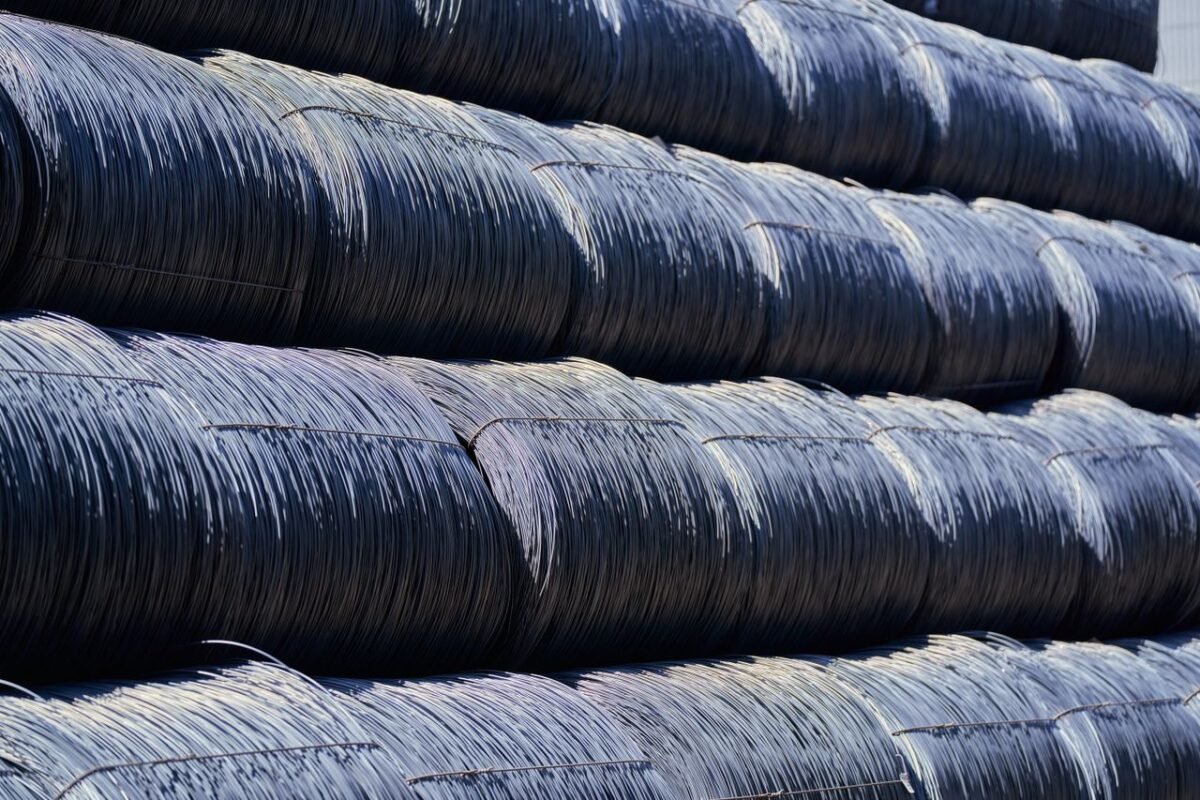
Why a Chinese factory quote changes after a few weeks, which products are most exposed to raw material swings, and the contract clauses Bangladeshi importers can use to lock prices.
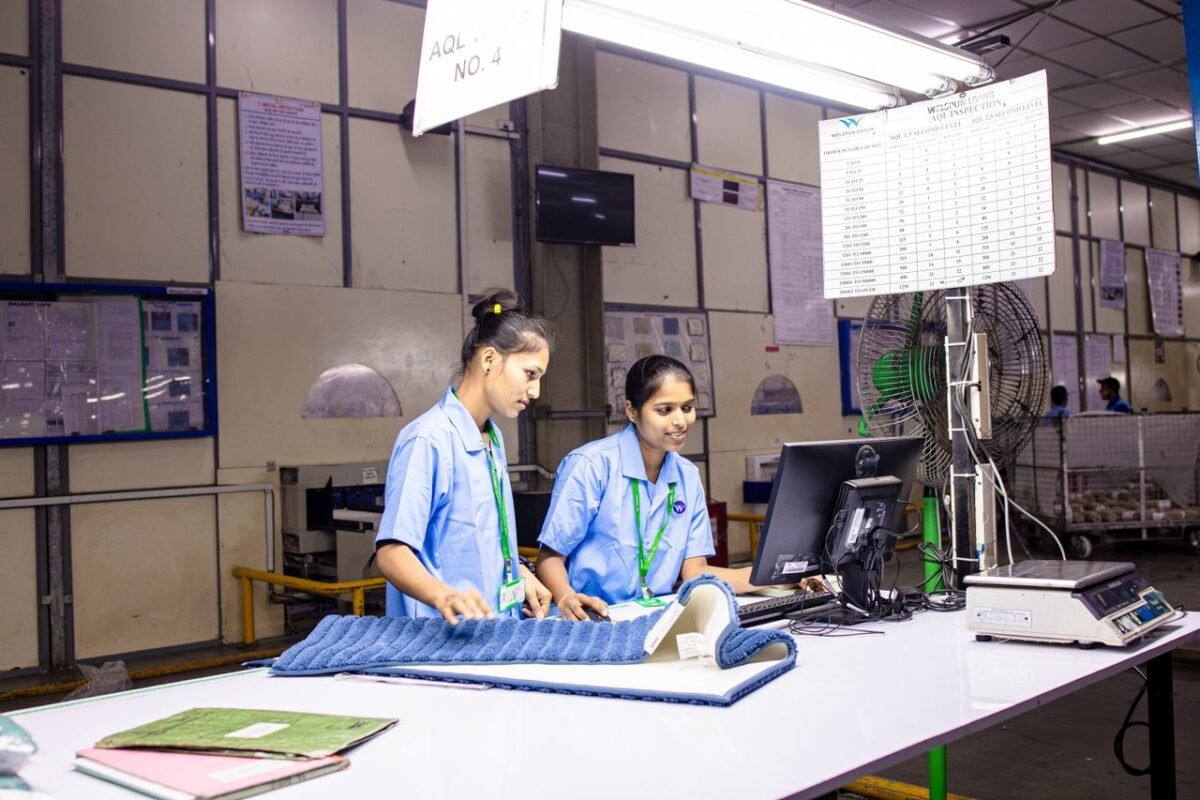
How Bangladeshi importers can see what happens between deposit and shipment: agreed milestones, reading WIP photos critically, and when a during-production inspection is worth it.
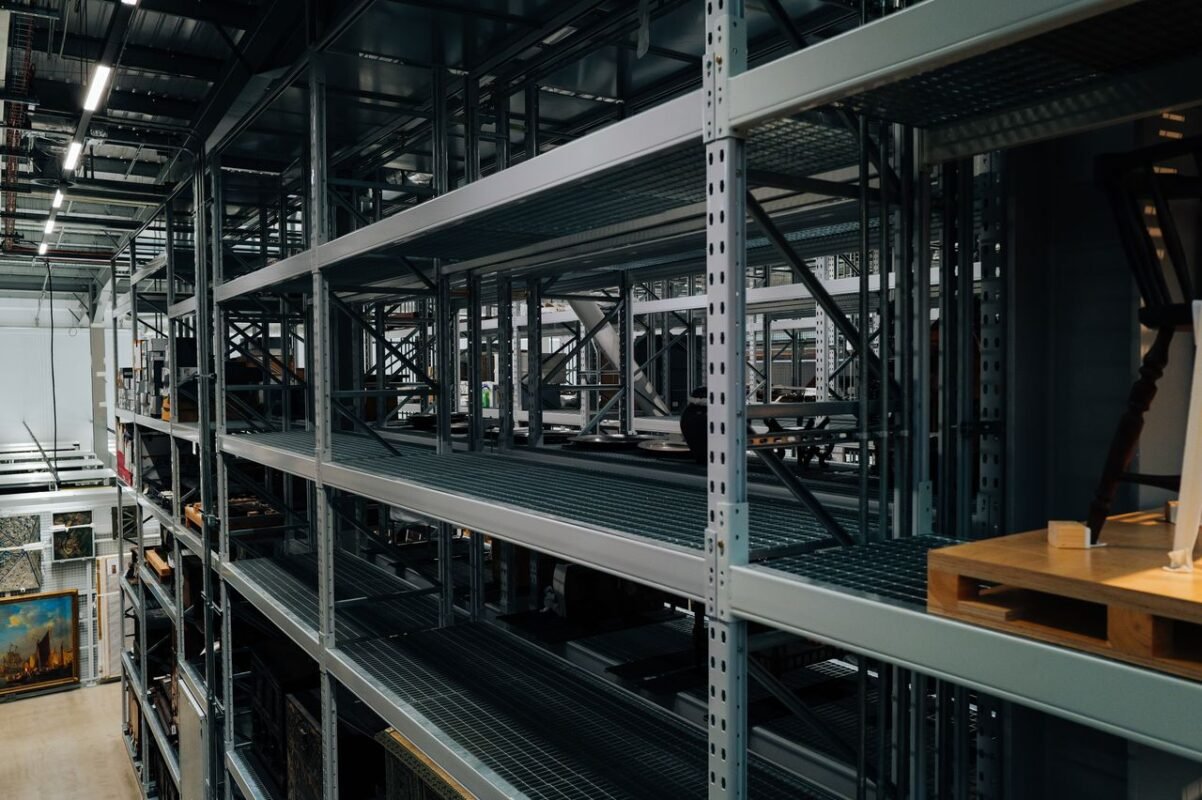
Opening a supershop, pharmacy chain or retail outlet with gondola shelving, checkout counters and trolleys from China? How to specify fixtures so they fit your floor, how they are packed and shipped, and the problems that show up on installation day.
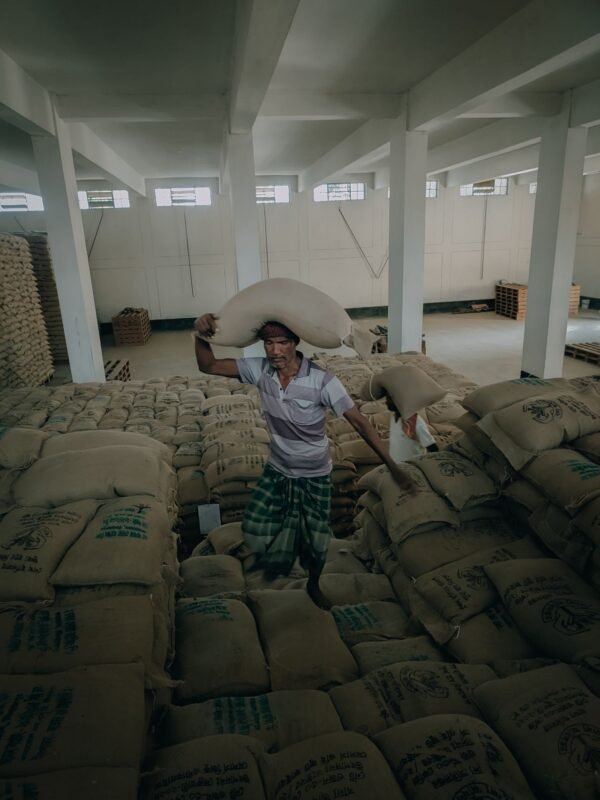
Airtight storage bags can protect rice, pulses, maize and seed from insects without chemicals or refrigeration. How hermetic storage works, where it fits alongside cold storage, and the drying and handling mistakes that make it fail.

Apple kul, BAU kul and Thai kul have turned boroi into a serious commercial crop, but the fruit shrivels and rots quickly once picked. Where the losses happen between orchard and market, and how cooling, humidity control and better handling reduce them.
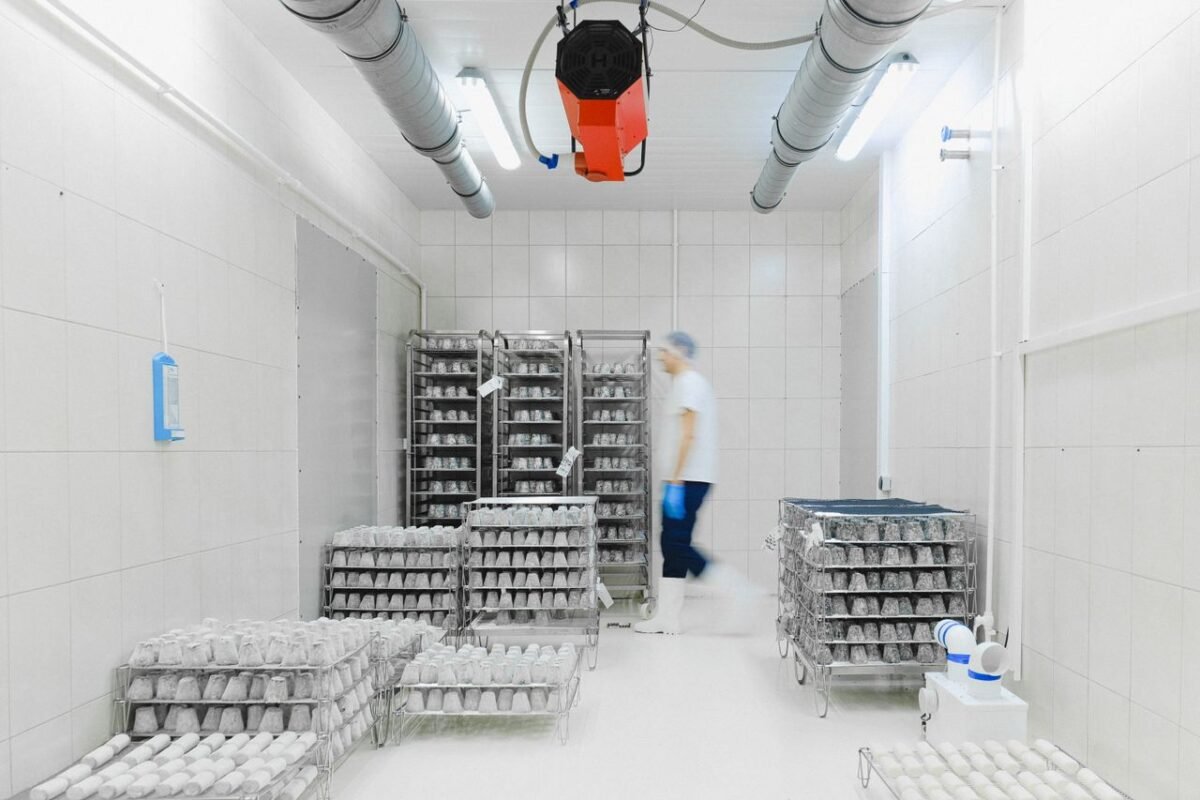
A freezer room door that sticks shut a minute after closing is not a faulty door. It is air pressure. How pressure relief ports work in mini cold storage, why they need heaters, and what goes wrong when they are missing or blocked.

The on-board notation decides your official shipment date, and under UCP 600 that date controls your LC deadlines. How received-for-shipment and shipped bills differ, what a valid notation must show, and the errors that lead to discrepancies.

Circuit boards, chips and finished electronics can be damaged in storage without a single carton being dropped. How static discharge and Bangladesh’s humidity harm electronic stock, and the warehouse controls that prevent it.

Some ordinary industrial chemicals are also drug precursors, and they need licences at both ends of the trade. How the China export permit, the Bangladesh import authorisation and customs clearance fit together, and the mismatches that hold containers at port.